“Seasonal low” has been the watch word in the fed cattle markets lately. The past weeks have seen a steady march of missed predictions of seasonal lows followed by new ones the next week. But what is it and how is it determined?
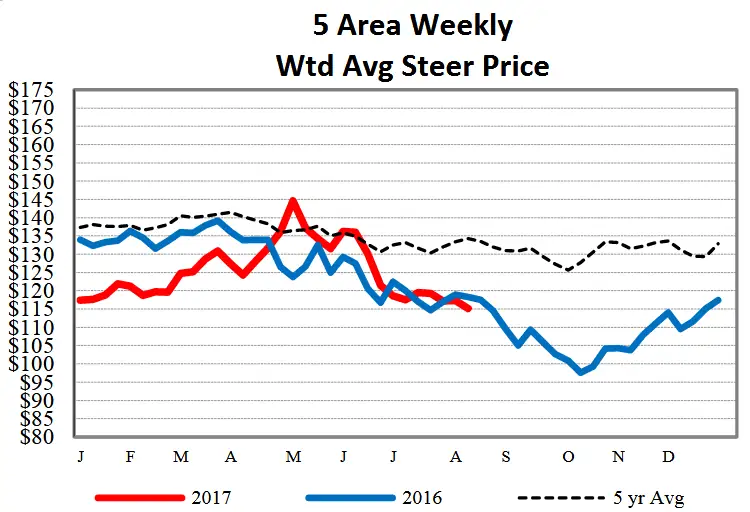
A seasonal low, or seasonal high, refers to price extremes that occur predictably within a given year. This is a dynamic of “seasonality” in a market. All aspects of the cattle and beef markets are affected by seasonality, but recent attention has been on fed cattle and beef prices.
“Seasonality is in-year price movement,” explained Jim Robb, director of the Livestock Marketing Information Center (LMIC).
In-year movement means something that happens predictably around the same time every year. This is opposed to cyclical market movement, where an event might happen predictably every three years or every 10 years, for example.
Robb said LMIC tracks seasonality through seasonal indexes that use moving price averages.
“On average, on the long term, the seasonal lows in the fed cattle market are in the summer quarter and that’s because we have the largest supply of slaughter steers and heifers being processed in the summer. We tend to have the highest fed cattle market in February, March, April, and that’s when we have the tightest cattle supplies.”
That is the supply side of the seasonality issue, but Robb and Gary Lohr, also of LMIC, explained the interplay with the demand side too.
“Usually the summer is low for beef prices and cattle prices. You’re coming off an excellent seasonal demand period in the late spring—Mother’s Day, Memorial Day, and what have you— where the weather gets warmer and the appetites go for lighter meats,” explained Lohr, who did also note the popularity of hamburgers and steaks during summer.
“Retailers are going to feature produce during the season here, and there’s only so much space in the flyer. Beef doesn’t get as much of that ad space as maybe it got around Memorial Day or Mother’s Day. That’s one of the things in play here.”
But when will it happen?
Market analysts, market watchers, and economists have been anticipating the fed cattle and beef seasonal lows for a while now. Weeks come and go and predicted lows get passed.
Robb sympathized with the efforts.
“It’s something that’s anticipated a lot and there are these average seasonal patterns, but every year is a bit different,” he explained. “In some years, we have the seasonal low in the summer, sometimes in the fall, and the last two years the fall has seen the seasonal low.”
He explained that the past two years were unusual, and do not likely represent a new trend. He opined that it will take a shift in supply-side seasonal fundamentals and several more years of fourth quarter lows before it could be called a new norm, something he does not anticipate.
Despite how much effort is put into anticipating the market low, it is ultimately something that can only be identified for certain once it has passed.
“With the fed cattle seasonal, is the low in? Is the low coming next week? Did it come last week? Is it coming this week? We’re at that time. Usually, when you get into late September, you can look back and say ‘OK, it happened in the summer and we’re all good.’”