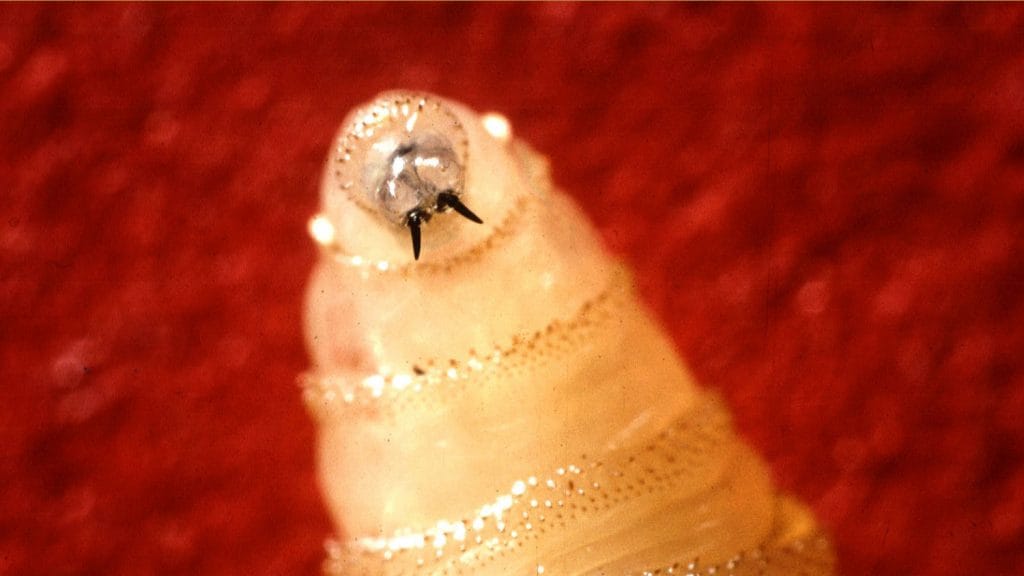
USDA Agricultural Research Service (ARS) researchers are using predictive modeling to track where New World screwworm (NWS) could spread following recent U.S. cases and help guide surveillance and control efforts.
ARS models combine ecological conditions, weather, historical outbreaks and artificial intelligence to identify areas where screwworm could become established. The information can help USDA determine where to position personnel, traps, aircraft and sterile flies. The models also support the Sterile Insect Technique by helping officials decide where and when to release sterile flies to disrupt reproduction.
Kim Lohmeyer, director of ARS’ Knipling-Bushland Livestock Insects Research Laboratory, said the models provide an early warning tool for surveillance and management decisions. However, she noted they cannot account for every scenario, including people moving infested animals.
For the latest information and updates about New World screwworm, visit screwworm.gov.