
This monthly column highlights the common ground in the livestock industry, uniting us around the issues that impact us all.
Lately, the word “narrative” has been simmering in my subconscious. Repeat a storyline enough times to enough people, and it starts to become conventional wisdom— even if it’s not entirely based in fact. How many narratives have I come to accept, when I really don’t know the truth, because I don’t have direct experience or know anyone who does?
Why does society even have narratives? Are they good, bad or indifferent? I guess that depends on who’s in control of a given narrative and what his motives are. Oh, and whether that motive is good for humanity.
If you’re a cereal manufacturer and the narrative is that steak is bad and cereal is good (think Food Pyramid circa 2019) then you might think that narrative is pretty neat. If you’re an environmental “nonprofit,” you might like the narrative that Canadian timber wolves need to be “reintroduced” in California because the ecosystem “needs” this apex predator (they only cull the sick and the weak, right?) Not because there is any record that this particular species was actually native, but because that narrative gains you lots of donations and government grants.
Or, if you’re one of those global-dominance types, you might like the narrative that carbon dioxide (the building block of life on Earth) is causing climate change, which is going to destroy the planet. It’s a good way to scare people into giving up their pickups and that high-protein diet that makes them so healthy, smart, strong and peskily independent.
The list goes on. Who might benefit from the narrative that our forests need to be “untrammeled by man” instead of managed by logging and controlled burns? Certainly not the people living near those forests who are losing their homes to ravaging wildfires. Someone else.
So many of these narratives don’t match up with our own experience or logical reasoning. For example: If giant wolves were native to my home in Siskiyou County, CA, why did my great-grandfather write in his diary about lions, coyotes and bears—but never once about wolves mutilating his livestock?
Here’s the good news: times are changing. Once there were only a few powerful media outlets dictating the narratives. But now, thanks to the internet—and the recent unmuzzling of the individual on social media—even the “little man’s” voice can be heard across the world. And I’m beginning to get the sense that Americans are ready to hear the truth from real, boots-on-the-ground people.
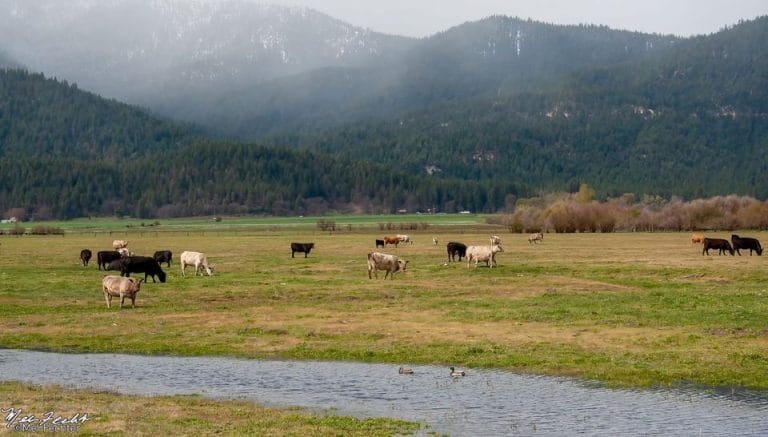
If you’re a rancher like I am, you’ve probably encountered a few mainstream narratives that aren’t true and seem designed to take you down. Right now, my neighbors and I are facing a narrative, propagated by mainstream media and the California State Water Board, that Siskiyou County is in a terrible “emergency” drought, and that taking water from farmers and ranchers is the only way to save salmon, which are about to go extinct. All three of these claims are patently false. Yet, this narrative continues to control state policy, and we ranchers continue to suffer through 30% cuts to our irrigation water year after year since 2022.
So far, our appeals to data and science have fallen on deaf ears. I admit, I’ve grown a bit weary trying to debunk the narrative over the past three years. But lately, I’ve been getting motivated again. People are tired of being spoon-fed stories that defy common sense. Maybe now’s our chance to reveal the truth to our fellow Americans: regulating farmers out of business is not in your best interest!
But who will show them, if not we producers? Spring is here and we’re all busy, but it’s never been more important to counter the narratives that are designed to destroy our businesses and ranching way of life. How do we fight them? It could be through face-to-face conversations, social media, sharing podcasts (my new favorite is Amanda Radke), or teaching your kids the truth about some of the incorrect ideas they may bring home from school.
Go ahead and talk about the fact that, without private property rights, no one in America can be free. Even if you don’t own anything but the shirt on your back and the food in your fridge, you need private property rights. Because if small, independent landowners can’t use their soil and water to produce food and bring it to market for you, who will? If the means of production are controlled by a powerful few, are we really a nation of independent, free people?
Narratives are important to us today because they are shaping history. But they’re also important to our posterity: If false narratives are not countered, they will become what’s in the history books. If a few powerful elites are controlling the story, they are probably controlling our lives—and will continue to control our kids’ lives if their story is left unchallenged.
This is a pep talk to myself, too. I must admit I don’t use much social media. But I do have young children, and my husband and I try to raise them to question the mainstream narrative (Does this story make sense to you? Who might be shaping it, and why?) That’s my main job in this chapter of my life. What’s yours? — Theodora Johnson, Siskiyou County, CA
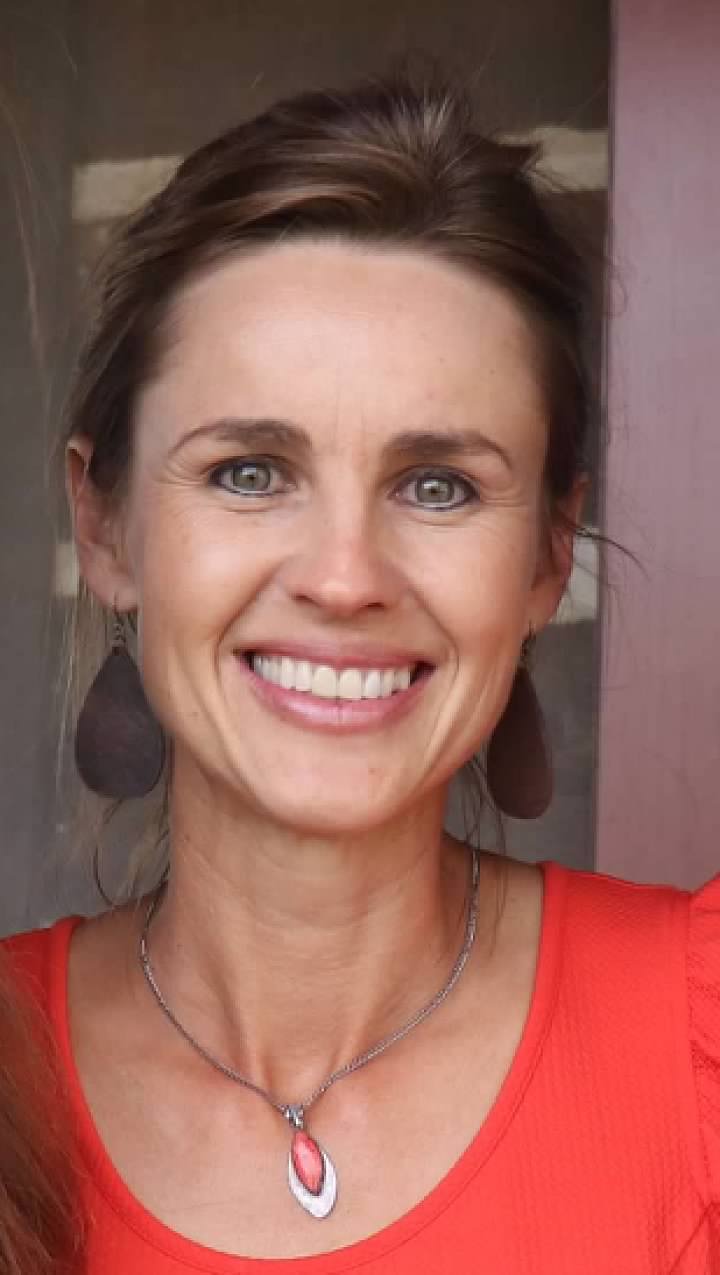
(Johnson freelances and raises cattle and kids with her husband.)



3 Comments