Cattle producers are buzzing as the red-hot market keeps its momentum through the summer sales season. Western Video Market (WVM) kept the heat alive at its 36th annual July sale in Reno, NV, July 14-16, offering 170,000 head of cattle in one of the summer’s first major video auctions.
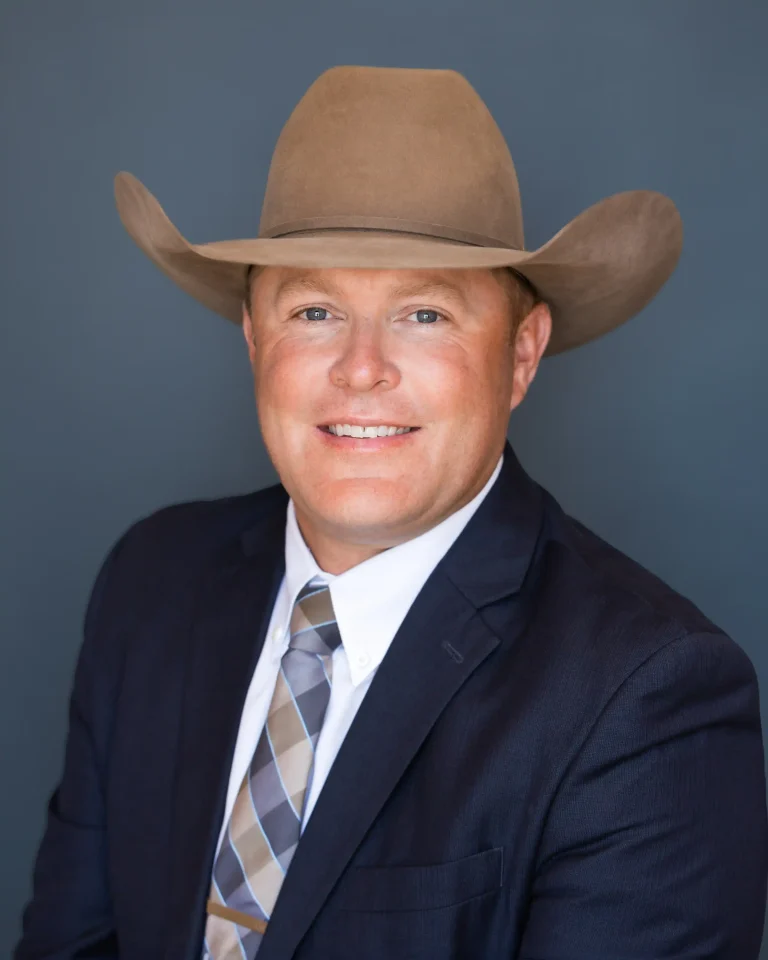
Jake Parnell, WVM president and chairman as well as owner of Cattlemen’s Livestock Market in Galt, CA, said the industry has been blessed with a standout cattle market this year. He credited not only the consignors for bringing top-tier cattle to the sale, but also the loyal buyers who supported the market.
“Consignors delivered a product that really helped create demand,” Jake told WLJ. “We are fortunate at WVM to have buyers that recognize quality and continue to come back sale after sale.”
With demand reaching unprecedented levels nationwide, Jake emphasized that now is the perfect time to market cattle through the auction method. “An auction creates the momentum, the hype, and it puts your product out there to more than just one buyer that might have bought in the past directly off a ranch,” he said. “And if there’s ever a time to do it, it’s when the market is high because there’s so much more energy and enthusiasm behind it.”
Record-high prices naturally raise questions about how long they can be sustained. Jake doesn’t anticipate cause for concern in the foreseeable future. “I don’t think that the heifer retention is nearly at the level that it needs to be to truly rebuild the cow herd,” he said. “And we’re seeing that because we’re seeing so much demand for this breeding stock.” He added that demand will remain strong until the herd size expands enough to meet the country’s food supply needs.
Sale results
Jake noted that the gap between program cattle and commodity cattle prices isn’t as wide as it has been in recent years, which shows how much nationwide demand there is from feedlots putting cattle on feed. Still, program cattle continued to see great demand.
“You see how much true demand there is from around the country, not just to go to grass in certain areas, but even the feedlots are pushing on these higher-quality five- and six-weight cattle that almost always would go to grass,” he said. “There’s a lot more feeder participation going on right now than we’ve seen in past years.”
Strong prices during the sale supported Jake’s sentiment. Four- and four-and-a-half-weight steer calves brought from $505/cwt to $515/cwt, while five-weight steers pushed into the $450-$470/cwt range. Five-weight heifers traded in the $405-412/cwt range. Weaned steers averaging about 590 pounds consistently reached in the mid-to-high $400s/cwt, while heavier Midwest yearlings brought from $343/cwt to $348/cwt.
“Almost every weight class above 900 lbs. crossed that $3,000 mark,” Jake said. “It just proves that the demand is out there in a tremendous way.”
Buyers showed up ready to participate, whether it was for immediate or fall delivery, for cattle backed by solid vaccination programs and strong genetics—efforts that clearly paid off.
“We watched those six- and seven-weight calves bring significantly more than we had thought they were going to bring on the market,” Jake said.
Female retention
One of the big questions in the industry right now is herd rebuilding. There was some small evidence of heifer retention taking place during the sale, especially with higher-quality, larger groups of heifer calves. In some instances, buyers purchased heifers just a few dollars back from their steer counterparts, with plans to breed them and either rebuild their cow herds or develop bred heifer programs to market later. Larger sets of six-and-a-half to seven-weight heifers from the upper Northwest and eastern Oregon were bringing nearly as much, or even more per pound, than comparable steers.
Demand for bred females also surged. Jake noted that throughout the spring, bred cows and pairs were in strong demand in California, and that continued into the sale. Bred heifers topped $4,000-plus, and bred cows hovered around that same level. Even short-bred heifers sold in the mid-to-upper $3,000s.
“And it wasn’t just one or two guys bidding,” Jake said. “It was a roomful of people with their hands in the air.”
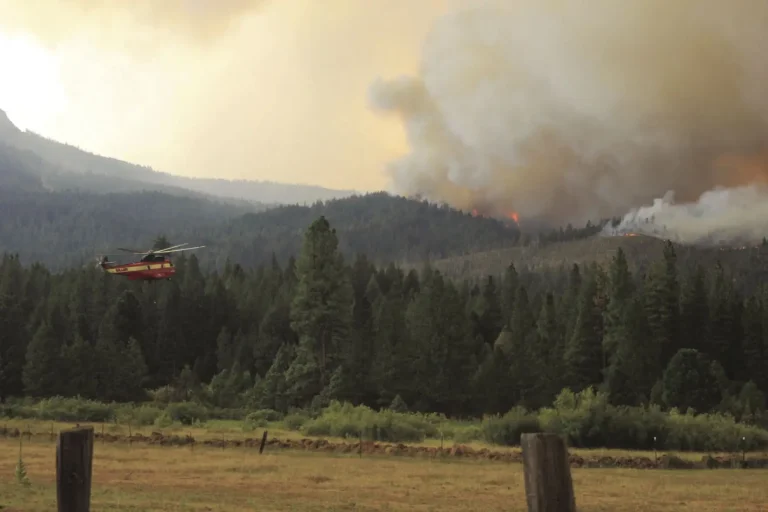
With ample feed in California—if it can be kept from catching on fire, Jake added wryly—there is likely going to be strong demand for breeding stock as the fall season progresses.
Making an investment
Cattle producers are putting in the work, and it’s paying off. Jake highlighted that ranchers are becoming more intentional in their genetic selection, leading to more consistent, higher-quality cattle that command stronger prices. When upgraded genetics are paired with solid vaccination programs, ranchers are seeing tangible results in more dollars received per head.
“They’re not just buying bulls anymore,” Jake said. “They’re studying EPDs, phenotype, bloodlines … they’re thinking long-term and it’s showing up in the results.”
As an example, in recent years, producers who once sold 450-lb. steers are now consistently marketing calves weighing 525 lbs. or more. “That’s not just environmentally induced,” he said. “A lot of that goes to the hard work that they’re putting in.”
And with pay day coming one day a year for many, every detail matters.
“We take a great responsibility in making sure that we offer the absolute best customer service on that side,” Jake said. That goes for the buyers, too. He gave credit to WVM staff and reps, noting that small touches like fair slides and clear communication go a long way in building buyer trust.
“I think that our reps and our companies did a really good job doing that this year,” he said.
Common ground
Jake also discussed his involvement in the emerging Common Ground Coalition.
“I’ve been very honored to be a part of this coalition that met in Denver a few weeks ago and has continued to seek participants and coalition members nationwide to further lay the groundwork for the long-term success of the American ranching family,” he said.
The initiative is focused on uniting livestock producers, regardless of organizational affiliation, around shared challenges and long-term policy solutions. Jake emphasized that marketers are in a unique position to represent grassroots producers because whether it’s genetic and vaccination advice or marketing decisions, these marketers are directly invested in producer success.
“The goal behind this coalition is to create a legacy of longevity in the industry that allows ranchers to be profitable on a yearly basis,” he said.
Key policy efforts for the group include estate and inheritance tax reform, and support for step-up in basis provisions. The coalition also advocates for labor reform, such as expanding access to the H-2A program, which currently does not authorize access to sale barns. The Common Ground Coalition also supports transportation and risk management improvements, including updating the Livestock Risk Protection program.
With few young producers in the agriculture business today, Jake emphasized the importance of building opportunities to encourage the next generations to return to production agriculture.
“Let’s give our young people an opportunity,” he finished. “Let’s lay some groundwork to help mentor young people that want to come back and get involved in the industry.” — Anna Miller Fortozo, WLJ managing editor