For Dan Genho, Agri Beef director of quality and continuous development, the key to advancing beef production lies in understanding how data can transform decision-making across the beef supply chain.
Like many on the Agri Beef team, Dan comes from a cattle background and grew up working on some of the country’s most respected ranching operations, including Deseret Ranches in central Florida and the King Ranch in South Texas. That hands-on foundation, combined with degrees in animal and meat science and extensive industry experience, informs how Dan oversees continuous improvement at the company.
“I work a lot with our livestock group as well as our plant,” Dan told WLJ. “I spend a lot of time working between both groups and how they interface with each other. I also have a lot that I do with beef quality and yield grading.”
Agri Beef is a family-owned Idaho beef company that has grown from a small feedlot into a vertically integrated operation that encompasses every step of the beef supply chain. The company has stayed true to the roots set by Robert Rebholtz Sr., maintaining strong partnerships with local ranchers and staying deeply engaged in the community.
As demand for Pacific Northwest beef grew, the company found itself with more customers wanting its product than it could supply. This challenge sparked the creation of True West Beef, a model that brought local producers into the entire process, from ranch to packing plant. By involving producers directly, Agri Beef could share consumer beef demands directly back to the producer level.
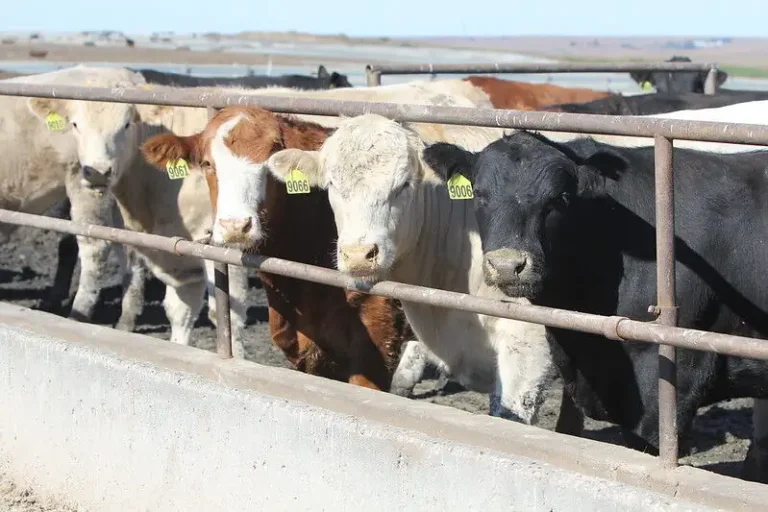
“We’re fortunate because the cattle that tend to do well in the western climate tend to also have a high propensity for grading well,” Dan said. “So, we get a little bit of the best of both worlds, and we have a lot of good pasture and good range here to produce really high-quality cattle.”
Rather than dictating breeding or management choices, Dan said Agri Beef relies on the skills of producers across the region. Their expertise in raising cattle allows the company to focus on producing the best beef possible, while also sharing data back with producers, helping them to refine their herds and continue improving cattle and beef quality.
“We’re not out telling ranchers, ‘This is the cow you’ve got to make,’” he said. “We’re fortunately a beneficiary of guys that really know how to do their job well on the producer side. It allows us to try to do our job to the best of our ability because they’re doing theirs. We get to make and sell the best beef because they are producing the best cattle.”
That partnership between rancher and packer, Dan added, reflects the company’s Western roots. Unlike corporate firms that view beef as a short-term investment, Agri Beef is family-owned and operated by the Rebholtz family, which has been a stronghold in Idaho for more than five decades.
“The difference is the Rebholtzes feed and process cattle because they’re cattle people,” Dan said. “This is their home, this is their community, and this is their environment. It’s integral to who they are.”
True West Beef
True West Beef grew from a desire to showcase that Pacific Northwest cattle could compete with—and even surpass—Nebraska’s longheld reputation for quality.
“Nebraska had been the gold standard everybody held themselves against,” Dan said. “We’ve been really pushing to keep our plant grading above Nebraska levels so that we can honestly be the best beef in the U.S. from a quality standpoint.”
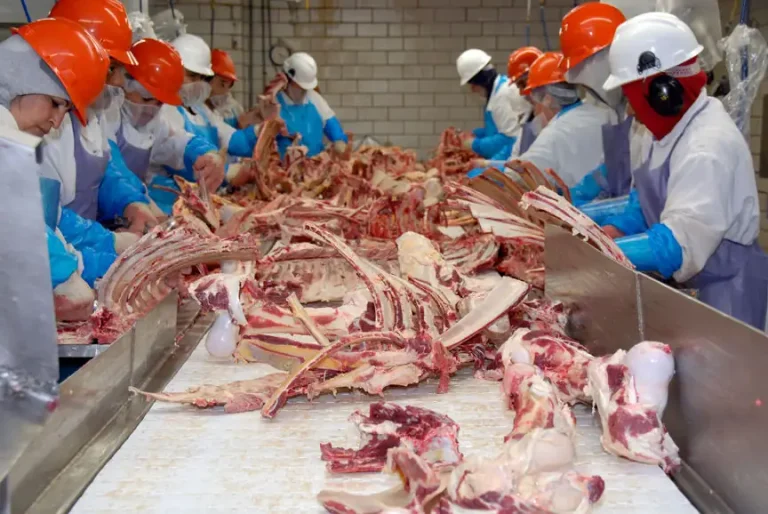
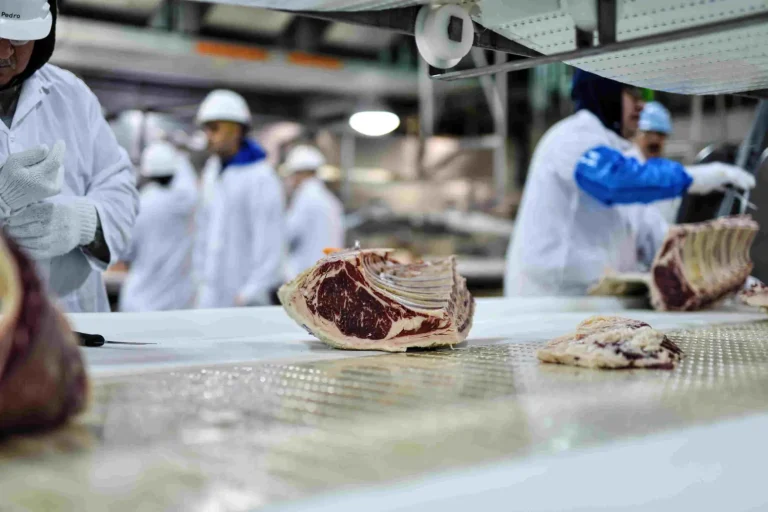
Dan’s work focuses heavily on beef quality grading at True West Beef. This year, the beef quality grades out of the plant have been far ahead of Nebraska. Much of that success, he notes, can be credited to the company’s producer partners who are part owners in the plant and actively engaged in the process and eager to improve. While some have been feeding cattle for years, others are just starting, and Agri Beef works closely with them to navigate the learning curve.
“It’s been a good experience for us being able to work with those guys and help them, seeing the growth and the improvement that has happened over the last few years,” he said.
Refining grading data
Quality grading has long been the single piece of data in the beef industry that connects every step of the supply chain, from seedstock producers to the consumer’s plate, Dan said.
“There are other pieces of data that matter, like weaning weights and yield grades, but they matter for one portion of the industry. Quality grade transcends the entire supply chain,” he explained. “So I always start with it because if we’re going to get one right, that’s the one we should get right because so many decisions are made off of it.”
Historically, quality grading was limited to broad categories like Prime, Choice and Select. But with the advent of camera technology in the early 2000s, marbling scores introduced continuous, precise data.
“Once that marbling score got into the hand of geneticists, you no longer had to use discrete data,” Dan said. “You could only say this bull had eight Prime calves and 100 Choice calves, now we can see actual marbling scores.”
The varying levels of continuous data using the marbling score could actually be utilized, allowing progress that wasn’t possible historically. By using discrete data only, one bull could have a 680 mean marbling score and another a 660, but they would both end up in Choice even though there was a notable difference between the two.
Agri Beef has utilized camera grading technology for a long time, Dan said. The data allows them to not only make decisions on their own cattle and the cattle they buy, but also share information with suppliers and producers to help them with their decision-making.
“It’s not like we’re trying to hide anything and trying to keep them where they’re at,” he said. “We want them to continuously improve with us.”
While quality grade is just one part of the picture, yield grade has historically remained a more static, discrete measure. Agri Beef is participating in research with the Red Meat Yield Round Table, which is coordinated by the National Cattlemen’s Beef Association, to further development and guidance on where the industry should be going with yield grade.
True West Beef will be part of the data collection process to build a model that will generate continuous data indicative of yield. Having this data, along with quality grade and marbling data, will allow a model to be built that will accurately predict the true value of an animal.
By collaborating with researchers through the Red Meat Yield Round Table, Agri Beef and other participating plants will be able to take CT scans and combine the data with 3D imaging and other technologies to develop an inline system that predicts yield in real time.
“Then we can actually breed to value rather than breeding just to ribeye area or backfat thickness, which might not be as predictive of value as we thought,” Dan explained. He emphasized that fat thickness and ribeye area don’t always tell the whole story, or allow a producer to truly understand the value of the animal they’re producing.
“Ultimately, we’re trying to create carcasses that produce what customers want and create a value proposition in the process,” he said.
“My prediction is, by making this kind of data available to producers, we’re going to be able to see the same kind of growth in yield and cattle performance that we were able to see with Prime,” Dan said.
With this new data, it could create a formula that would combine yield and marbling score, rather than evaluating them separately. This would allow the two metrics to be weighed equally and ensure marbling wasn’t overlooked.
“Good data drives good decisions,” Dan finished. And as the director of quality and continuous development, he is committed to ensuring that every decision is informed by accurate and meaningful data. — Anna Miller Fortozo, WLJ managing editor