Different types of taxes and rates apply to the sale of farm and ranch assets. When selling these assets, it is helpful to know which type of tax applies to which assets and what strategies exist for reducing tax consequences on the sale.
Capital gains are taxed at different rates from ordinary income. The capital gains tax rate is substantially lower than the tax rate on a comparable amount of ordinary income.
There are seven tax brackets for ordinary income, ranging from 10 percent to 37 percent. There are only three for capital gains, ranging from 0 percent to 20 percent.
2020 Net Investment Income Tax (Medicare Tax)
The Net Investment Income Tax (NIIT) or Medicare Tax applies at a rate of 3.8 percent to certain net investment income of individuals, estates and trusts that have income above the statutory threshold amounts.
In general, investment income includes, but is not limited to, interest, dividends, capital gains, rental and royalty income, non-qualified annuities, and businesses that are passive activities to the taxpayer.
Individuals will owe the tax if they have net investment income and also have modified adjusted gross income over the following thresholds:
• Filing status AGI threshold amount;
• Single, $200,000;
• Married filing jointly, $250,000;
• Married filing separately, $125,000;
• Head of household, $200,000; and
• Qualifying widower with dependent child, $250,000.
Depreciation recapture tax
Depreciation recapture is a tax provision that allows the IRS to collect taxes on any profitable sale of an asset that a taxpayer had used to offset their taxable income. Since depreciation of an asset can be used to deduct ordinary income, any gain from the sale of the asset must be reported as ordinary income, rather than capital gain which is taxed at a lower rate.
Calculating depreciation recapture
The first step in calculating depreciation recapture is to determine the cost basis of the asset. The cost basis is the price that was originally paid for the asset. The adjusted cost basis is the original cost basis minus any allowed or allowable depreciation expense incurred. For example, if equipment was purchased for $10,000 and had a depreciation cost of $2,000 per year, its adjusted cost basis after four years would be $10,000 – ($2,000 x 4) = $2,000. The depreciation would be recaptured if the equipment is sold for a gain. If the equipment is sold for $3,000, the business would have a taxable gain of $3,000 – $2,000 = $1,000. It is easy to think that a loss occurred from the sale since the asset was purchased for $10,000 and sold for only $3,000. However, gains and losses are realized from the adjusted cost basis, not the original cost basis.
Land sales
Sale of land owned more than one year is taxed at long-term capital gain tax rates. An IRC Section 1031 Exchange and IRC Section 664 Charitable Remainder Trust may be used to bypass capital gain taxes and Medicare Surtax on the sale of land.
Calves and crops
The sale of calves and crops is taxed at ordinary income tax rates. IRC Section 664 Charitable Remainder Trust may be used to bypass taxes on the sale of land. Self-employment tax may also be avoided.
Cows and equipment
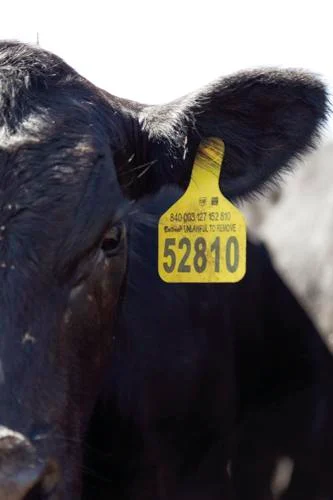
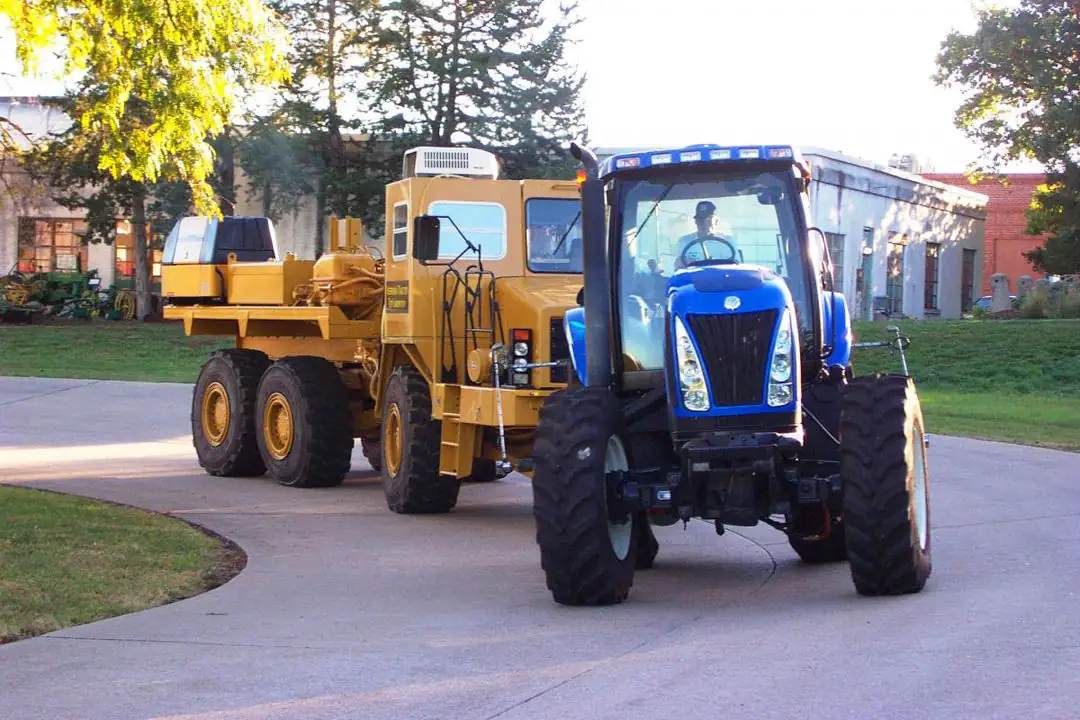
The sale of cows is taxed at capital gain tax rates. The sale of equipment is taxed at ordinary income tax rates and depreciation recapture tax applies. An IRC Section 664 Charitable Remainder Trust may be used to bypass taxes on the sale of cows and equipment.
If you are considering selling farm and ranch assets, it is wise to meet with a CPA to discuss the potential tax consequences and to see if there are options for reducing the taxes. — Chris Nolt, WLJ correspondent
(Chris Nolt is an independent, fee-only registered investment advisor and the owner of Solid Rock Wealth Management, Inc. and Solid Rock Realty Advisors, LLC.)