Rotational grazing may help grasslands capture and store more carbon, according to a study published in Scientific Reports in October.
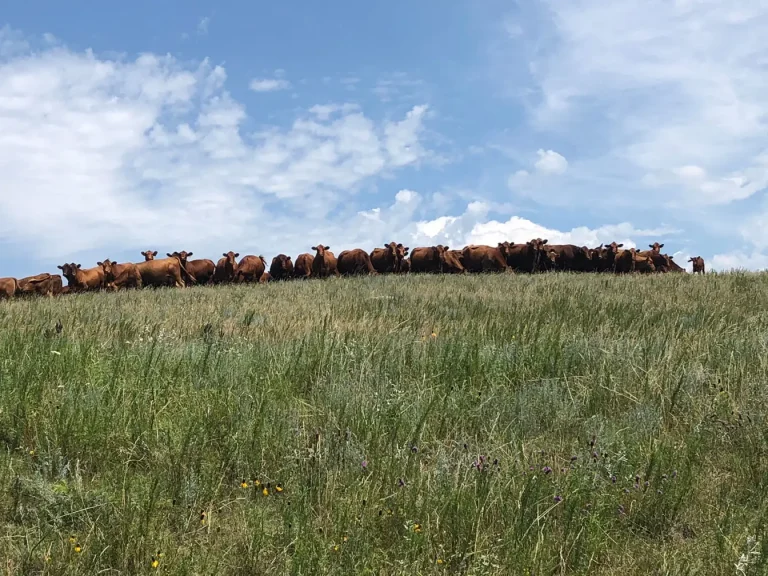
Researchers spent two years studying a North Dakota cattle ranch, comparing rotationally grazed pastures with ungrazed areas. The grazing system involved 150 cow-calf pairs moved every two days, letting cattle consume about 50% of the vegetation before giving pastures time to recover.
Researchers found that managed grazing increased carbon storage by 53% in the first year and 23% in the second compared with ungrazed areas. The grazed pastures also showed improved water-use efficiency and stronger plant growth during autumn recovery, suggesting potential benefits of rotational grazing.
To read the full study and review its findings, visit tinyurl.com/77yfs67d.