Deer season can be an exciting time. Seeing signs of deer, knowing their trails and habits, watching for the prey and selecting the moment to make the shot, whether by bow, rifle or black powder gun. It’s tradition, outdoor adventure, trophy hunt and meat acquisition all rolled into one.
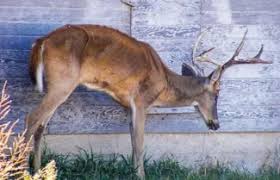
However, it is even more that all that; hunting deer is also good stewardship of the deer population. Deer population appears to have been rising in many areas in recent years. That affects everything from forest regeneration to garden and landscaping success, deer-car accidents and disease transmission between deer. Disease transmission includes but is not limited to bovine tuberculosis (bTB), although that is the primary disease of concern to cattle producers.
The percentage of infected deer detected has decreased, but as long as the bacteria is alive in deer, there will be new infections in the deer herd, and potentially in cattle herds.
The crucial aspect of the TB bacteria is that it is capable of living outside a host for an extended period, even months given the right conditions (cool, moist, dark). That somewhat unique characteristic is what makes bTB more infectious, able to be transmitted indirectly from an infected animal to a noninfected animal on what is being eaten. Deer in the feed today can mean a cow picking up the bacteria next week or next month.
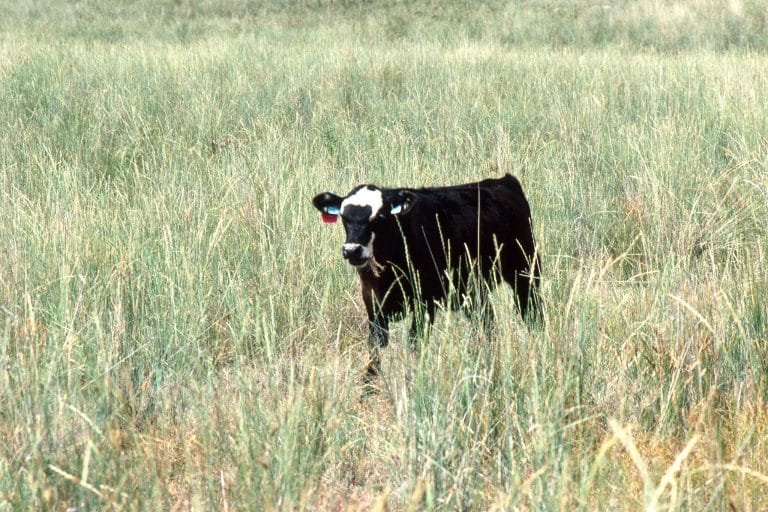
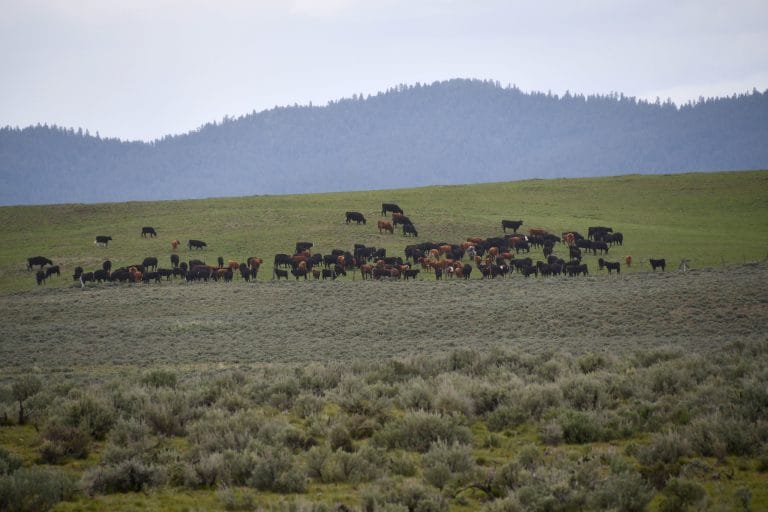
That is why even at a low prevalence of infected deer, cattle herds are at risk when deer have access to feed, feeding areas and water sources that cattle will have access to, even if not at the same time. Saliva from an infected animal, left on a partially consumed apple, hay in a feeder, silage in a pile or grain left around the storage, can deposit the bacteria to be picked up by another deer or by a cow, and thus infect that animal.
There is mutual responsibility in keeping cattle herds from becoming infected, and good stewardship is required to keep disease from spreading within the wild whitetail herd.
Standards include excluding cattle from areas that provide good deer habitat, only feeding cattle enough stored feed that it will all be consumed in one feeding, feeding in areas where deer cannot get to, storing feed in a way that severely limits the ability of deer to access it, removing harvested crops from fields immediately, providing water by means that don’t allow convenient access by wildlife and getting rid of waste feed in a way that does not attract wildlife. These are standards that cattle producers are held to.
On the deer side, responsible management involves planning to harvest does (not just shooting one if you don’t end up getting a buck), not feeding or baiting deer and removing animals that repeatedly pose a risk to cattle farms. Deer population is best controlled by harvesting females. Population is limited by the number of reproducing females, not the number of breeding males. Taking females as well as a buck is a good strategy to protect the herd from disease and reduce the negative impacts of a large population.
Scientists with USDA, Michigan Department of Natural Resources and other institutions have been and continue to research whether vaccinating deer against bTB is possible and how it could be accomplished. Their studies have demonstrated that an oral vaccine is effective in penned deer. The next step in understanding if vaccination is feasible would be to conduct a field trial in wild deer.
However, vaccination is just one potential tool to reduce the risk of deer becoming infected and spreading the bacteria to other deer and cattle in the future. It is important to understand that even with vaccination, good population management will still be needed to reduce the pressure and stress of high populations. The responsible management of deer and the responsible limits to deer access by cattle producers will help to reduce the risk of cattle herds becoming infected by bTB. — Michigan State University Extension