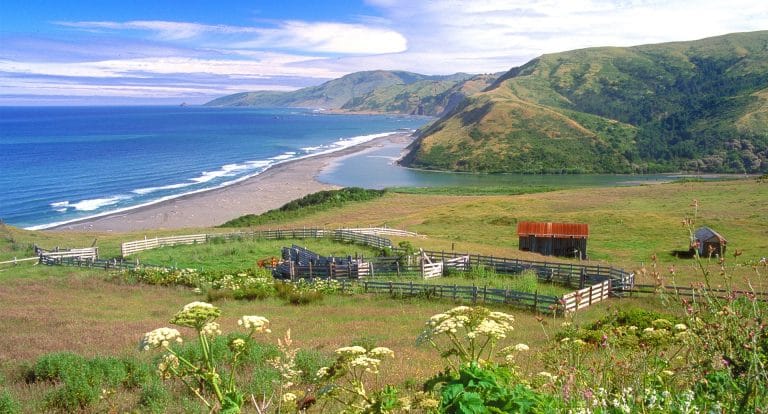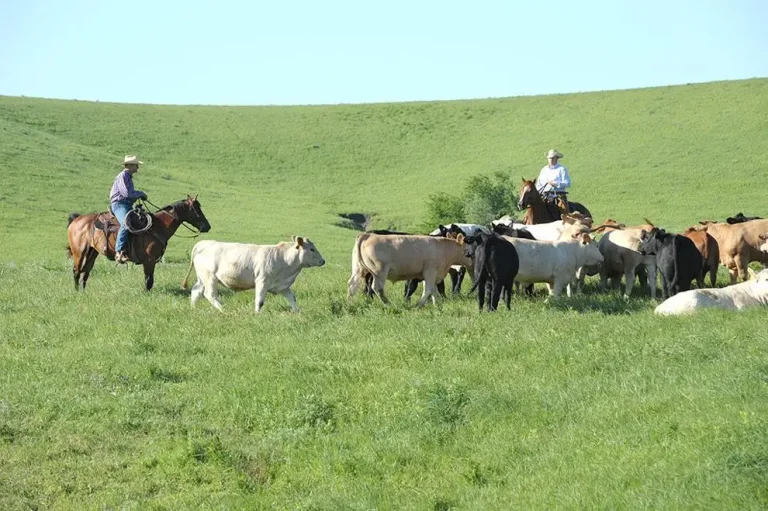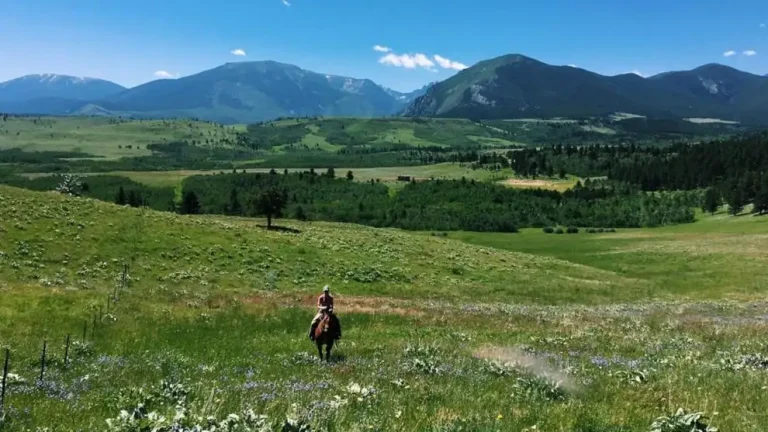
Private lands are the backbone of the American West’s landscapes, supporting everything from food production and rural economies to wildlife habitat and water supplies. Yet the role landowners play in conserving those lands has often gone unmeasured. A new report by the Western Landowners Alliance (WLA) changes that, quantifying for the first time the scale of private conservation investment across 11 western states.
The study finds that private landowners with holdings of 500 acres or more collectively spent at least $407.5 million out of pocket on conservation practices in 2024.
First-of-its-kind survey
The report is based on a survey commissioned by WLA and conducted by Southwick Associates, a national outdoor industry research firm. It gathered responses from 649 landowners across Arizona, California, Colorado, Idaho, Montana, Nevada, New Mexico, Oregon, Utah, Washington and Wyoming.
Using that data, researchers estimated average conservation investments and extrapolated total spending across the region. The results show that landowners spent an average of $5.18 per acre on conservation practices in 2024, above and beyond normal operating expenses.
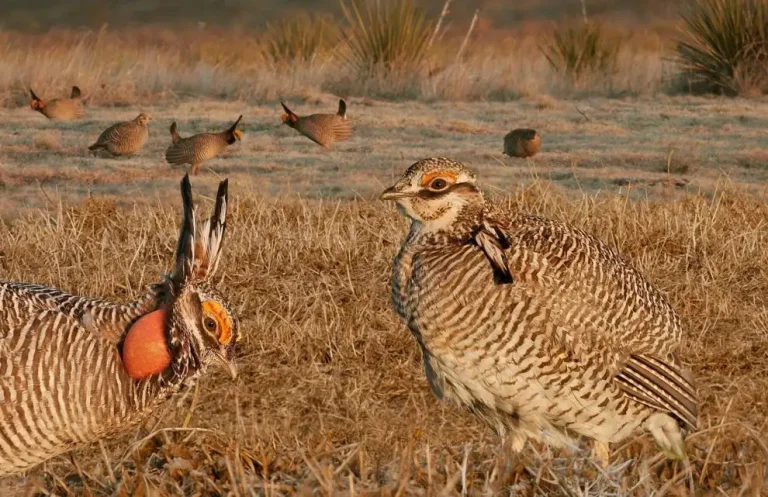
Spending covered a wide range of on-the-ground stewardship activities, including rangeland management, water resource management, forest management, riparian restoration and even wildlife reintroductions.
“Most people don’t realize it, but private landowners are pivotal in conserving the lands and natural resources of the American West,” said Lesli Allison, CEO of Western Landowners Alliance. “Their investments generate major public benefits that extend far beyond their fencelines, from healthy soils and clean water to fish and wildlife.”
Key findings
One of the report’s most striking findings is the comparison of private landowner investment with major public conservation funding programs.
Across the same 11 states in 2024, landowner conservation spending exceeded:
• $342.7 million in Pittman-Robertson and Dingell-Johnson excise tax revenues allocated to state wildlife agencies.
• $341 million in USDA Environmental Quality Incentives Program cost-share funding.
• $72.5 million from the Land and Water Conservation Fund’s Stateside Assistance Program.
The findings show that, as a group, landowners invested more of their own money in conservation than some of the federal government’s flagship conservation programs delivered to those same states.
Beyond direct spending, the survey also captured the economic opportunities landowners intentionally gave up in favor of conservation.
In 2024, 59% of respondents reported forgoing income-generating opportunities to benefit wildlife or other natural resources. Among those:
• 50% forwent agricultural production.
• 37% declined residential or commercial development.
• 36% passed on outdoor recreation opportunities.
“It’s time to be honest about how much landowners give to the land every day,” said Shaleas Harrison, policy manager for Western Landowners Alliance. “Opportunity costs are rarely counted when people consider the cost of conservation in America.”
Harrison added that overlooking those daily decisions makes it harder to address land conversion, habitat loss and the economic pressures facing rural communities.
The report also documents the financial toll wildlife imposes on private landowners, further complicating the economics of stewardship.
In 2024, wildlife caused an estimated $101 million in losses to crops, forage, water and livestock, along with an additional $37.6 million in repair costs. Yet only 16% of landowners received any compensation, covering just 20% of total losses.
While most respondents expressed a strong desire to continue or expand conservation efforts, the survey found that financial and policy barriers are hindering them.
Sixty-five percent of landowners cited cost as the primary limiting factor on increased conservation spending. Other commonly reported barriers included:
• Loss of land control (50%).
• Regulatory misalignment (43%).
• Lost income opportunities (41%).
• Limited technical assistance (11%).
The study found that enrollment in publicly funded conservation programs remains relatively low. Only 8% of respondent acres are under perpetual easement, and about 10% are enrolled in federal, state or local programs.
Landowners cited complex paperwork, confusing enrollment processes and insufficient incentives as major deterrents. The report suggests this represents a missed opportunity to leverage additional private conservation funding through program reform and improved technical assistance.
Recommendations
The study concludes that reversing trends in land conversion, habitat loss and rural economic decline will require building on the stewardship already underway on private lands.
Among WLA’s recommendations are:
• Streamlining conservation program applications and payments.
• Removing regulatory disincentives that deter voluntary conservation.
• Expanding habitat leasing and stewardship contracts.
• Giving landowners a stronger voice in policy development.
• Investing in collaborative partnerships across public and private lands.
• Depoliticizing conservation through trust-based, locally led approaches.
Allison said understanding the motivations and challenges facing landowners is essential to building more effective conservation strategies.
“Understanding landowner contributions, motivations and challenges can enable us to better partner with them in conserving the lands and habitats on which both people and wildlife depend,” she said.
For a region facing mounting economic, environmental and social pressures, the report makes one thing clear: private landowners are already among the West’s most significant conservation investors. — Charles Wallace, WLJ contributing editor