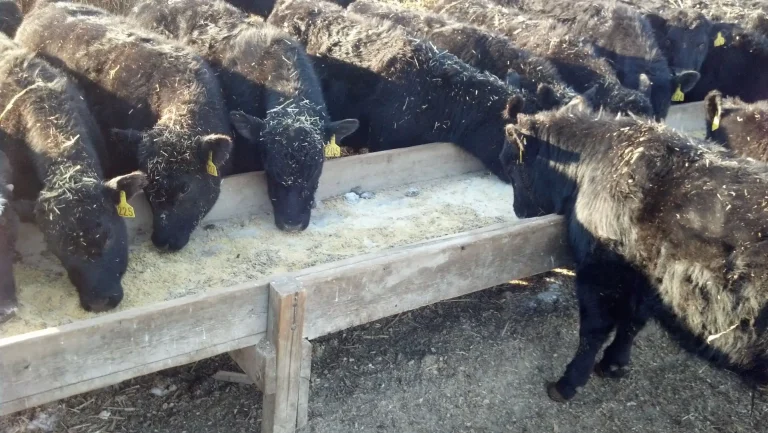
In 2026, drought-stressed pastures and intense heat could easily result in cows that are thinner than normal at weaning this fall. Beef cows follow a normal (and predictable) fluctuation of body condition scores (BCS) across the annual production cycle.
As a result of lactation, cows typically drop to their lowest BCS at weaning, then regain weight (and BCS) during the dry period from mid- to late gestation, when nutritional requirements are lower.
The target BCS at calving is 5-6. This prepares cows for the spike in energy requirements at the onset of lactation, and adequate fat stores ensure a timely return to heat and staying on track for a 365-day calving interval.
The BCS system used for beef cattle ranges from 1 to 9. A score of 1 indicates cows that are thin and emaciated, cows of BCS 9 are fat and obese.
Typically, late summer/early fall (when cows are slicked off and in the second trimester of pregnancy) is the most accurate and best time of the management cycle to evaluate BCS. Weaning time or at fall pregnancy checks is realistically the most convenient time of the annual management cycle to capture a weight on cows. If cows need to be fed and managed to have adequate BCS by the start of calving season, managing for a target weight gain can be effective.
When condition scoring cows, producers should look beyond age, frame size, depth, length pregnancy status and hair coat. The condition scoring system is intended to provide a consistent system to quantify relative fatness regardless of these other factors that create differences in cow appearance.
There is a strong relationship between weight and BCS. For each unit of change in BCS, cows should gain or lose approximately 7% of their BCS 5 weight. For example, a cow that weighs 1,200 pounds at a BCS 5 should reach a BCS of 6 at 1,284 lbs. or drop to a BCS 4 at 1,116 lbs.
If you find your cow herd in need of recapturing some flesh prior to the anticipated start of spring calving a few months down the road, take action now to reach optimum BCS by the start of your calving season. Short breeding seasons, short calving seasons and uniform calf crops in the future are the result of intentional nutritional management of the cow herd during this timeframe of production. — Mark Z. Johnson, Oklahoma State University Extension beef cattle breeding specialist