A California superior court judge has extended a stay on the enforcement of the state’s Proposition 12 animal welfare law until July 2023, pending the outcome of an expected ruling by the Supreme Court in the spring.
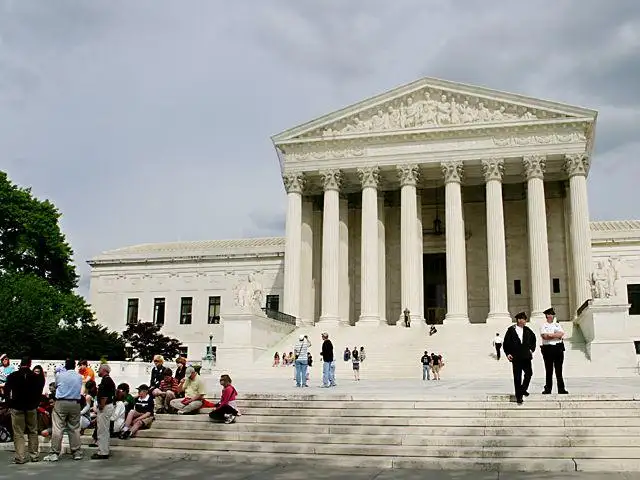
The Supreme Court heard oral arguments in October in a legal challenge by the American Farm Bureau Federation and the National Pork Producers Council. The groups argued the proposition is unconstitutional because it violates the dormant commerce clause by regulating economic activity in states outside California.
Judge James P. Arguelles, in the Superior Court of California for the county of Sacramento, granted the request. Arguelles ordered a delay in enforcement in January 2022 after several groups, including the California Grocers Association, the California Retailers Association and the California Restaurant Association, said in court filings the industry was given no time to comply with the law because regulations had yet to be completed.
“The court also finds that the parties have made a sufficient showing that changed circumstances, including the United States Supreme Court’s pending review of a case challenging the constitutionality of Proposition 12, warrant an extension of the existing injunction,” Arguelles said in his order.
Proposition 12 went into effect on Jan. 1, 2022. The law bans the sale of pork from hogs that don’t meet the state’s new production standards. A federal appeals court upheld the law in 2021.
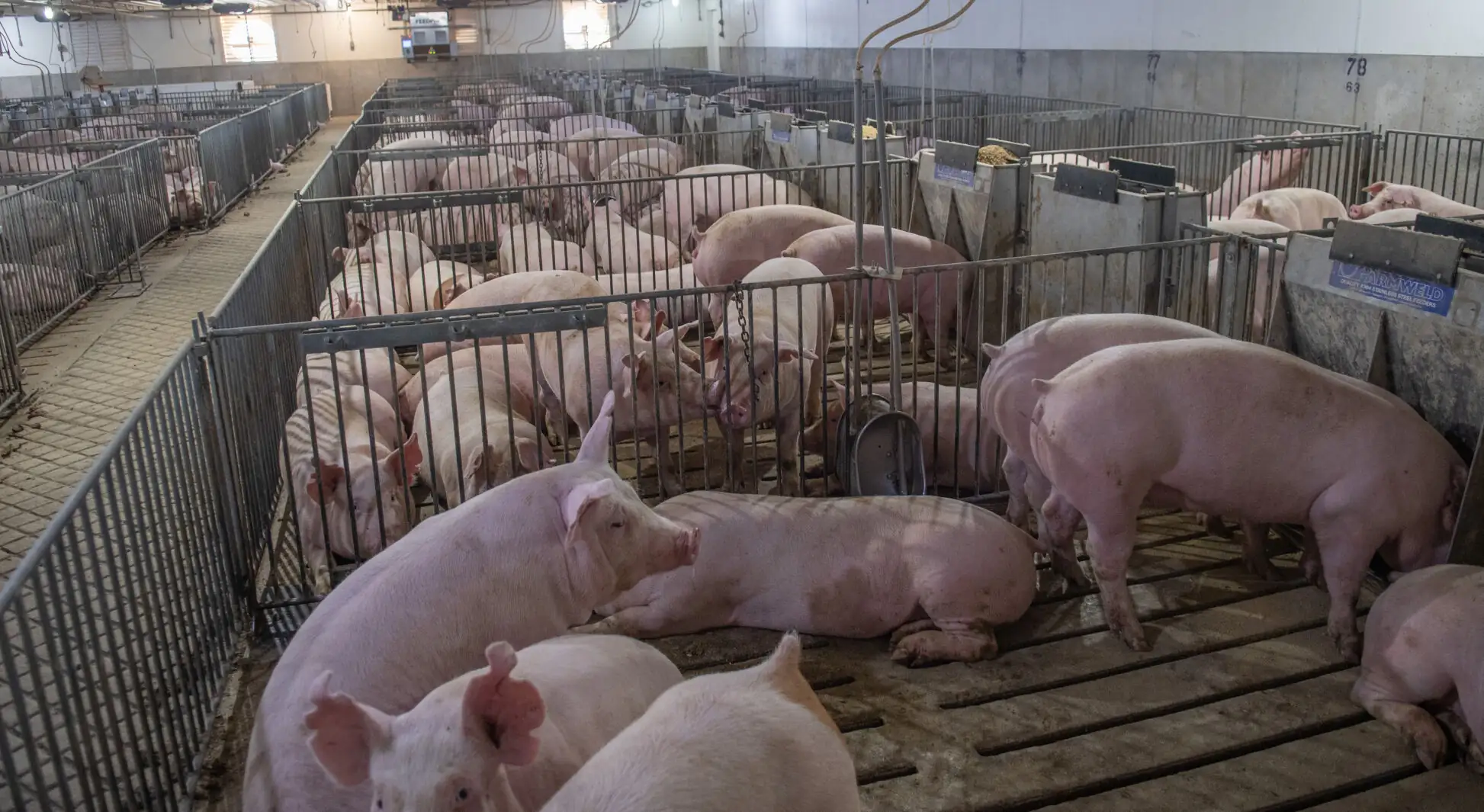
The law requires hog producers to abide by certain regulations to sell pork in California. Voters in the state passed Proposition 12 in 2018, with nearly 63% of voters supporting it. The law forbids the sale of whole pork meat in California from hogs born of sows not housed in conformity with the law. Proposition 12 forbids sows from being confined in such a way that they cannot lie down, stand up, fully extend their limbs or turn around without touching the sides of their stalls or other animals.
The National Pork Producers Council argued in briefs filed with the Supreme Court that the law violates the commerce clause by regulating business beyond its borders. California already imports 99.8% of its pork from producers in other states.
The ag groups said the U.S. industry as a whole would be forced to reduce herd sizes or build costly new facilities, as well as make changes in every aspect of caring for sows, including feeding, breeding, medical care and farm labor.
Back in March 2021, Rabobank said in a report the U.S. pork industry faces a daunting task to comply with Proposition 12 if the legal challenge comes up short. — Todd Neeley, DTN staff reporter