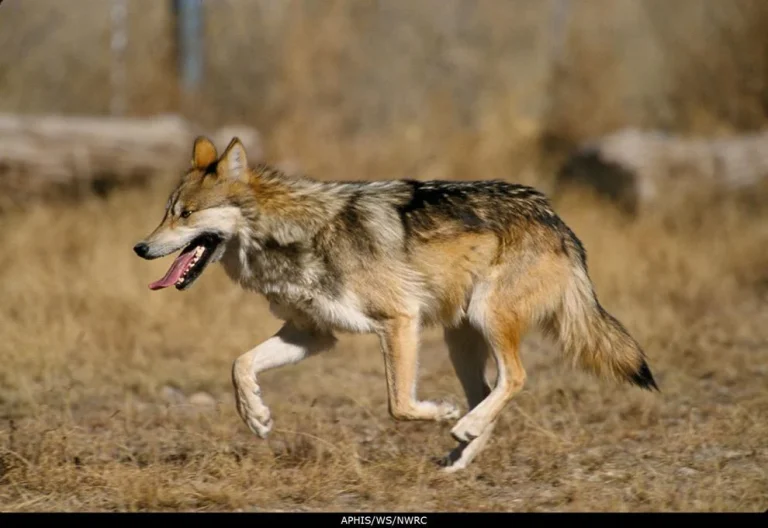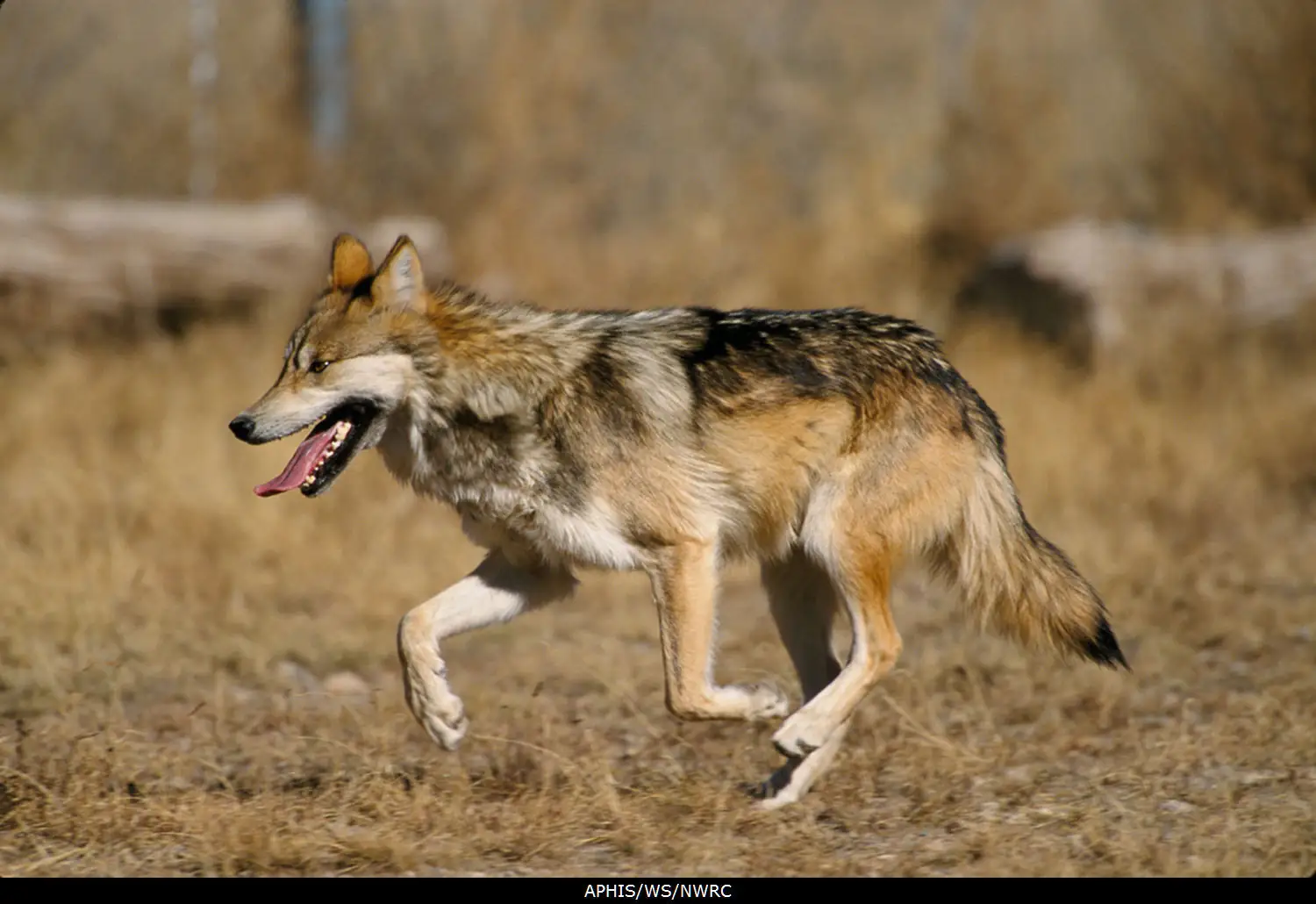
The U.S. Fish and Wildlife Service (USFWS) reported the population of Mexican gray wolves in the U.S. has increased for the sixth consecutive year. However, a slower growth in 2021 was attributed to low pup recruitment in the wild.
In 2021, the wild population increased by 5 percent since the year prior, raising the total number of Mexican wolves in the wild to 196 animals. From November through February, the agency conducted ground and aerial counts of the wolves in Arizona and New Mexico. USFWS’ Interagency Field Team (IFT) said 112 wolves are located in New Mexico, with the remaining 84 in Arizona.
“We are happy to see the wild population of Mexican wolves continue to grow year after year,” said Brady McGee, USFWS Mexican wolf recovery coordinator. “The Service and our partners remain focused on recovery through improving the genetic health of the wild population and reducing threats, while also working to minimize conflicts with livestock.”
IFT’s other findings included 45 packs in the two states; a minimum of 144 pups born in 2021, with at least 56 surviving through the year; a minimum of 25 breeding pairs; 92 collared wolves; and 25 mortalities.
“I am encouraged by the increase in breeding pairs and the number of packs present. These measures continue to increase and bode well for future recovery for the Mexican wolf,” said Jim deVos, Arizona Game and Fish Department Mexican wolf coordinator.
Conservation group Western Watersheds Project expressed disappointment with the slow growth and said the 2021 growth numbers were lower due to illegal killing, low pup survival and a “deepening genetic crisis that continues to threaten the wild population.” The group also claimed the agency has held back packs in captivity instead of releasing them back into the wild due to political reasons.
“They need to immediately implement plans to release well-bonded packs versus relying on cross-fostering of pups to recover this population of highly endangered wolves,” said Sandy Bahr, chapter director for Sierra Club’s Grand Canyon (Arizona) Chapter. — Anna Miller, WLJ managing editor