Lawsuit targets grazing in AZ national forest | Western Livestock Journal Subscribe to WLJ
Environment

Lawsuit targets grazing in AZ national forest

Lawsuit targets grazing in AZ national forest

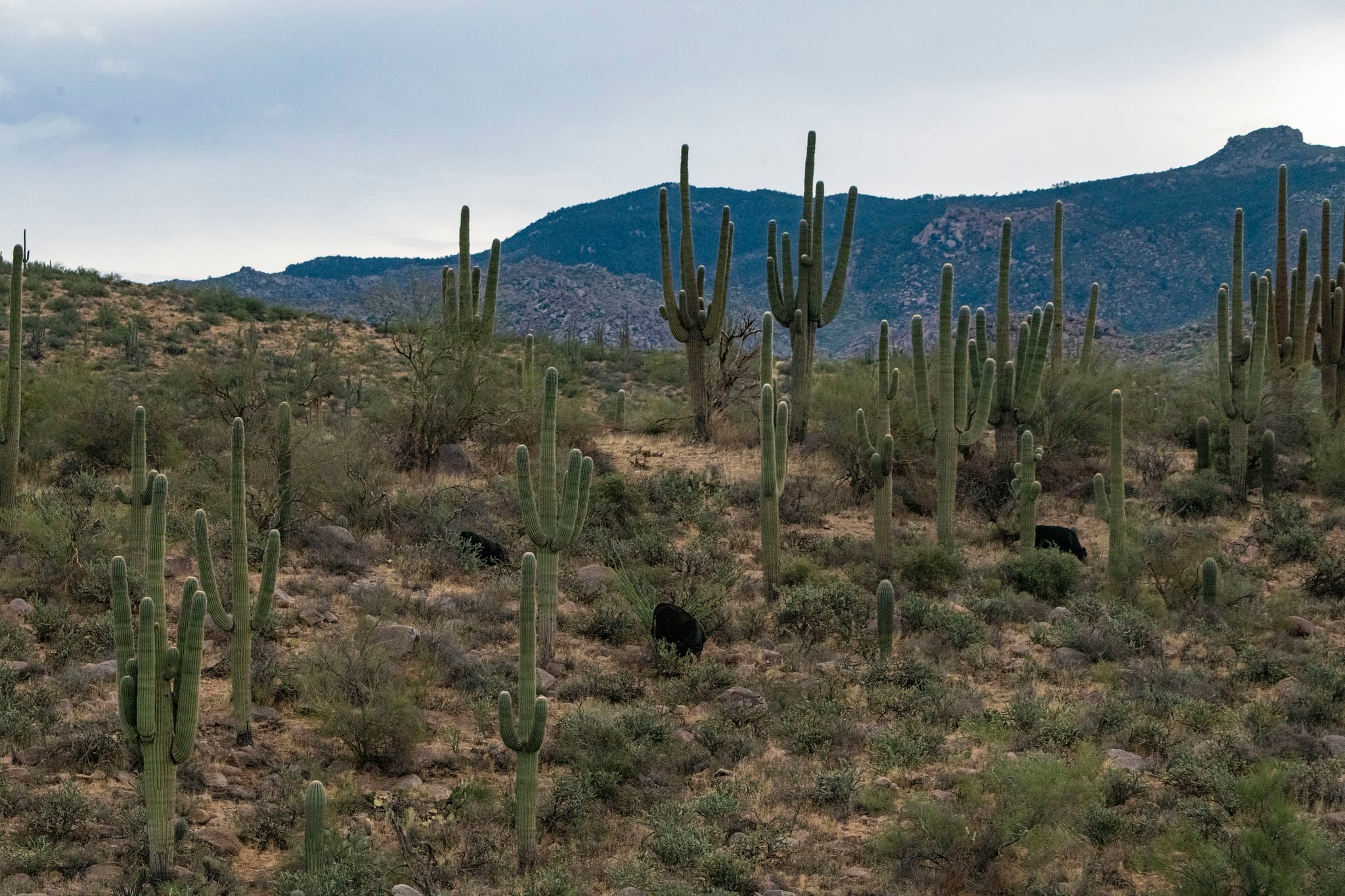
Cattle graze amongst the Saguaro cactus and rock formations in and around the Tonto National Forest, AZ.

Lance Cheung/USDA

The Center for Biological Diversity and Maricopa Bird Alliance sued the U.S. Forest Service (USFS) and U.S. Fish and Wildlife Service on Feb. 3, alleging illegal cattle grazing in Arizona’s Tonto National Forest.  

The groups filed suit after threatening a lawsuit in September. They claim the federal agencies violated the Endangered Species Act (ESA) by failing to protect threatened and endangered plants and animals from cattle grazing in the forest. 

“We won’t tolerate destruction of Arizona’s precious desert riparian habitats, so we’re going to court to protect them,” said Center for Biological Diversity co-founder and board member Robin Silver. 

The groups allege that through surveys conducted by the Center for Biological Diversity, 

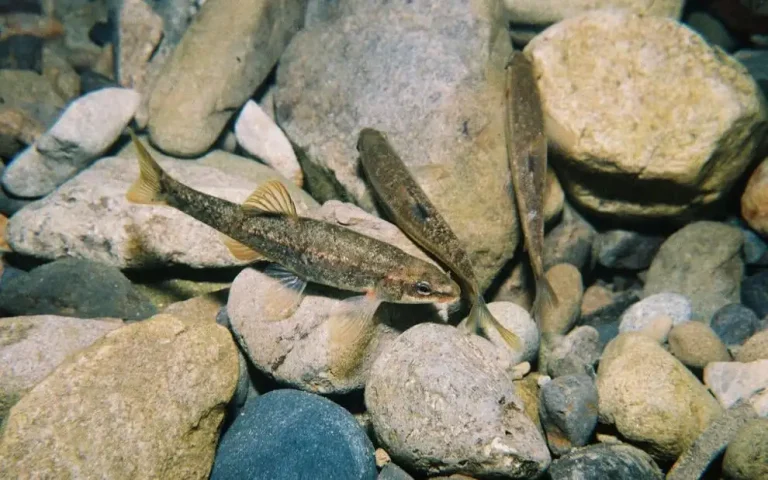
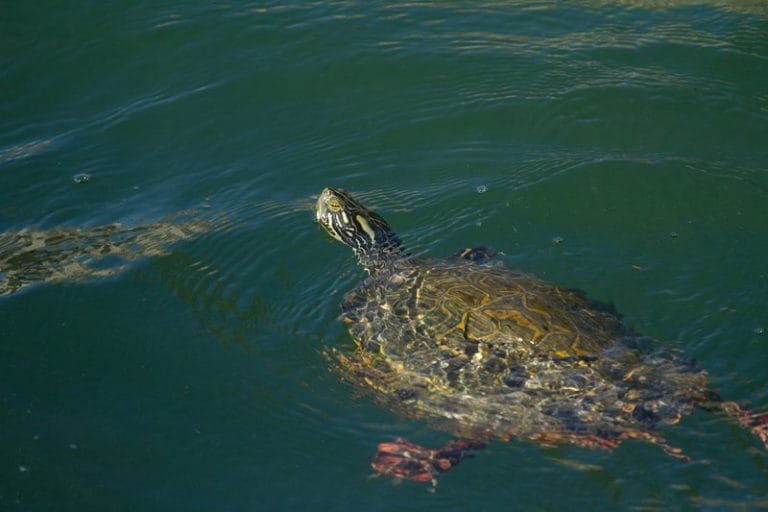
damage was found from cattle grazing along 55% of 122 miles of waterways across 25 grazing allotments. As a result, the groups said, habitat has been damaged for yellow-billed cuckoos, southwestern willow flycatchers, Chiricahua leopard frogs, northern Mexican garter snakes, narrow-headed garter snakes, spikedace, razorback suckers and Gila chub. 

The lawsuit asks a Phoenix, AZ, district court to find the federal agencies in violation of the ESA and Administrative Procedure Act and enjoin USFS from authorizing livestock grazing in occupied habitat for the aforementioned species. The suit also asks for all active USFS grazing authorizations in the Tonto National Forest that allow livestock grazing in occupied species habitats to be set aside. 

Finally, the groups ask for the 2022 and 2025 biological opinions guiding grazing authorizations to be set aside, and for the impacts of grazing on the species to be reevaluated. — Anna Miller Fortozo, WLJ managing editor 
Share this article

Join the Discussion

Your email address will not be published. Required fields are marked *

This site uses Akismet to reduce spam. Learn how your comment data is processed.

16 Comments

  1. Lee Jones
    February 17, 2026
    So most of these species out of Mexico ? So are the endangered there ? Not likely Another chicken S__T environmental group costing the ranchers and the taxpayers that fund the forest service and game& fish depth our hard earned money. I have ridden all over the Tonto basin area off and on for 40 years and don't recall any of these species. Would offer the opportunity to invite them out on an outing to see these species . Any takers ?
  2. john gunn
    February 17, 2026
    well....well well...ohhh well... color me jaded, but im one who believed in cattle free by 93 ...it came & went ... more fences went up, more steers were put out on epemeral permits... blm & forest "service" (the ******** that cut down our trees & nuked the understory) ... So i dont hold my breath in the land of trumpistan ... nor should you. That said ... hope springs eternal global warming just might be the uppercut to knock out these welfare parasites & their federal conspirators ... lets hope the critters can get thru our malevolence.
    1. Silkie Perkins
      May 12, 2026
      Too bad you're not affiliated with sound science, the scientific method or groundtruthed facts. If you were you'd be steamed over all the propaganda and money making nonsense environmental groups have presented since the 1970s. How about demand everyone quit hauling big city trash out to sea and dumping it. That's a real cause to get behind...but nope...stand around spewing nonsense instead.
  3. Wayne Bronec
    February 17, 2026
    There are studies that show the benefits of cattle grazing it helps many different wildlife. Cows are graders they can select what they graze like deer and other wildlife can with smaller mouths and teeth on upper and lower jaws. Cows take more broad bites and in doing so that gets plants to regrow more tender plants that animals love. Even sage grouse do better for that reason because baby chick can eat younger fresher plants. When you do not graze grasses and plants can get over grown and dead old grass deer elk and other animals avoid eating it. Cattle also improve carbon recycling but stepping in old plants causing them to break down and release nutrients back into the soil. In farming the fastest way to get old crops break down is to till the soil but we do not want it to break down to fast because it also protects the soil. But to slow can cause diseases and keep soil to wet. Reasonable grazing keeps things in a controllable balance I know some think the best thing we can do is never graze but that is not the best management we should maximize use and I do not mean for ranchers I mean for wildlife and ranchers because like I said grazing keeps the plants healthier and then plants are programed to grow more it extends the length of optimum growth till they make seed and then stop actively growing or even go dormant. Every thing will do better then grazing needs to be flexable to vary numbers as needed to many times government rules are to rigid when it comes to grazing and does not allow for change of times to graze or numbers some times more Cows need to graze and other less.
  4. Rebekah
    February 17, 2026
    No mention of the water tanks developed in the Tonto Nat’l Forest to serve cattle AND wildlife….or the ranchers HAULING water continually to said water tanks, installing solar powered pumps to keep them full?? Methinks there are more sides to this story.
  5. Luanne Gegeanis
    February 18, 2026
    Kuddos for writing about this. People don't realize how destructive grazing is to the environment. The administration is lifting all protection to the land throughout the U.S. Local government needs to protect the environment habitat and wildlife that lives in these areas. It's not "birders" it's just common sense to save these habitats.
    1. Celene Jones
      February 20, 2026
      You don’t even know ke what you’re talking about! For one they keep fires down. Wild life lived for decades without harm of cattle grazing. You idiots will go eat a steak, but want to do away the steak. You talk out both sides of your mouths. Let me guess, you’re a Californian ?!
    2. Brenda
      February 20, 2026
      Not true at all. They fertilize, mow, till the ground for the healthy grass to grow. They prevent wildfires!
  6. Jim St Germain
    February 18, 2026
    That’s gonna happen when they have wildfires in the tunnel national Forest because of the lawsuit, prohibiting that gray prohibiting of them raised in the grass down so get rid of the fuel fires with a reimburse the forest service for having to replant everything because of their ignorance
  7. J E Ted Thayer
    February 18, 2026
    If the Center for Biological Diversity is involved these days, it's because most of the stuff they've been ******** about have been litigated and they've run out of other causes that create sources of revenue. What's more, this outfit's track record stinks - in fact it wreaks of self-interest! The spotted owls, little cacti, Mexican wolves, and tiny lakeside-dwelling birds that the Center claimed were "endangered species" turned out to be not the case in every case! The fact is that endangered species are easily created by government application, not by actual documented unnatural endangerment! In addition, long-term experience in central Arizona shows that running cattle in the lowlands in the Winter and in the mountains in the Summer builds healthy cattle and healthy environments.
  8. Brenda Mather
    February 20, 2026
    We need the cattle. They are good for the land, the grasses and fire prob.
  9. Brenda Mather
    February 20, 2026
    Cattle are important for the environment and fire protection
  10. Ricki Sanborn
    February 22, 2026
    These people have been fighting this for years they are taking away the rights of hardworking people to make A living. Most of the species are not native to Arizona. My family owned one of those allotments the Bar 11 .
  11. George Aelvoet
    February 24, 2026
    Where are the complaints about the feral horses destroying the Sam’s things as the cattle? The feral horses are also an invasive species destroying the same ecosystem. Let’s do something about them also!
  12. Silkie Perkins
    May 12, 2026
    The Southwest Center has no facts to support their claims. No study, as required under NEPA has ever been done to provide evidence that removing livestock maintains habitat for the listed species. In fact, upon removal of livestock, a change in management affecting habitat for the spiked dace on the upper Verde river in violation of NEPA, the Southwest Center and USFS destroyed the habitat and killed all of the spiked dace out of the upper Verde River between 1993-1996. Fish counts and water temperatures and disappearance of the spike dace provide evidence that the illegal removal of livestock from the Verde adversely affected the habitat.The management change was effected by threats from USFS employees to remove legal grazing from the river through 2004,:and in violation of NEPA, only removed under a 2004 agreement rather than under USFWS consultation as required by law.Livestock grazing (500 years of grazing) maintains the required habitat for present species.The Center fails to provide any evidence to support a claim for which the court could grant relief. Speculation and personal opinion have no standing. Quack science is unlawful, fraud.Should the USFS determine a new NEPA is in order, it is required to produce scientifically accurate and methodical analysis of occurring and historic grazing utilization to support any decision concerning livestock utilization impacts.Under black letter law, the USFS is required monitor utilization on these term permits and read the Parker Three steps to provide long term analysis every 10 years. The USFS violates this mandated administrative duty. However. This data is available since 1960 up and until at least 1980, providing the baseline and thirty years of utilization impact and river flow is available from the Arizona Department of Water Resources since at least 1940s.NEPA is law, and the USFS is required to provide sound science to uphold a decision to remove livestock and then request consultation prior to enacting the change.The Center is required to provide sound science supporting its emotional claims. No one has any produced, but historical data provides evidence that cattle grazing maintained the historical habitat and more importantly, prevented overgrowth of broad leaf trees which by the thousands per acre, illegally divert water owned by downstream water claimants.On the upper Verde, non historic stands of cottonwood and willow trees grew due to the removal of cattle and 2/3rds of the Verde is consumed and then aspirated into the air by those 4,000 trees per acre (8 trees per acre is historic).Review the Verde flows from 1960-1996 and compare to 1996-present. The only variable is grazing vs non grazing. Removal of livestock had the U of A cautionary effect-the change in management destroyed the habitat and killed all of the spike dace fish.In addition, the Verde Trout, Humpback Chub and Razor Back Suckers are genetically identical and do not qualify for protection under the endangered species act.No studies have been produced to verify habitat requirements or grazing impacts for the other species listed in the article. Any study must have a utilization long term study to correlate grazing with impact or an assertion of "harm". That is never measured in studies so there isn't any adverse impact correlation.So many false claims, fabricated tales. Too bad no one ever takes the SWC to court for the presented extortion and violation of federal law, takings of "endangered" species.I sure wish someone would demand evidence of claims or throw the litigation out.
  13. Robert L Willcutt
    May 12, 2026
    Bison roamed in Arizona for centuries causing the herd effect,same as cattle, taking livestock off of grazing land can be detrimental to the environment.managed grazing,cell grazing has proven it's benefits,along with regular rest scheduled

Keep reading

Related stories

Read the latest digital edition of WLJ.

June 15, 2026