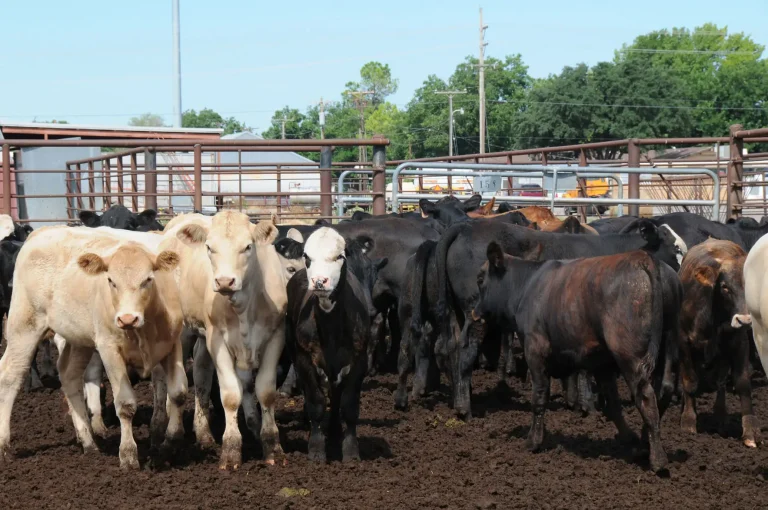
The fall run of cattle is in full force across much of the West with auction markets running at capacity full of bawling calves. The market has stayed strong for all the volatility we saw throughout the summer. Futures markets have seemed to stay steady, and prices at the auction markets have been rewarding producers for all the hard work they have put in throughout the year.
Personally, fall is my favorite time of year. I really enjoy getting to travel the region in the cooler weather, seeing those cows nursing big calves and passing the loaded cattle trucks rushing down the road with a full load of calves. Those cattle trucks play an important part in our livestock marketing industry.
At the beginning of the month, I had the opportunity to make a trip out to California to cover a couple of sales for WLJ. When I went up to the rental car counter to pick up the Honda Civic I had reserved, I was met with bad news. They had to downgrade me to a three-quarter-ton gas pickup. Downgraded to a pickup? Didn’t sound too bad to me, until I drove out of the airport and was reminded by the big billboard with the gas prices on it.
As I worked my way from Fresno over to San Luis Obispo, I made a rookie mistake. I forgot to get fuel before I got to the coast and they had me. I pulled up to the gas station and cringed as I was putting that $7 fuel into that big pickup. I reminded myself that it was only one tank, and to think about all those cattle trucks trying to get those calves down to feed and how they must be feeling right now.
The price of fuel has been a major subject of conversation everywhere I’ve been this summer and fall. Producers have been feeling the weight of higher input prices across the board, but fuel has certainly been a heavy load to take on. With dry conditions across a lot of the country, I know producers have had to get a sharp pencil when figuring costs of bringing in feed or shipping cows out.
The Trump administration has made some attempts at relief for our diesel problems. Earlier this month, we had the executive order for Emergency Tax Relief on Diesel Fuel. This meant the IRS would not be imposing penalties for highway use of dyed diesel fuel for certain use. We did see a kick in the market after the announcement. We also saw feeder cattle in following days jump up $6-10 on the board. I think that fuel announcement was certainly a factor in that jump, but it’s hard to tell completely if that was the only factor, with our low cattle numbers and strong demand for beef.
The red dyed diesel announcement was not the administration’s only move to address rising costs in the agricultural sector. On Oct. 19 the administration announced an $8 billion Harvest Fuel Relief program. This program is offering a one-time payment to producers for a portion of modeled losses during the 2026 crop year. It’s still pretty unclear whether these payments will get to those of us that farm grass to raise protein, but I wouldn’t hold my breath on that. Hopefully though, this will relieve some of the bill on our farmer feeders across the country and keep them aggressive in the calf market.
These announcements do have a positive tone for the industry. I don’t think anybody on either side of aisle likes paying too much for fuel. But it still makes me wonder how much of the profit in our industry now is getting blown out the top of a smokestack running down the road.
In Montana in particular, we are in the unique area where a good percentage of our feeder cattle end up two states away to go on feed. If you think back to last year when diesel prices were almost half of where they are now, I wonder how much more aggressive these buyers would be on the cattle. The basic factors are all there, but fuel is certainly holding us back. We might be giving up $50 or more per head on the freight alone. Somebody must pay for the fuel. Unfortunately, that part of the equation is weighing heavier than ever before in how we calculate how our buyers bid on these cattle.
It’s frustrating that so much capital is getting tied up in fuel. That’s money producers could be investing back into their own operations, or maybe investing in rebuilding this cow herd. — KEVIN MURNIN