As another massive fire season ends (hopefully!), we need to consider our approach to full suppression versus the “let it burn” strategy. On federal lands, the agencies (U.S. Forest Service [USFS] and Bureau of Land Management [BLM]) have been much more aggressive in suppression activities this year. It hasn’t been successful everywhere, but just a week earlier we had a dry lightning event in Plumas and Butte counties in California starting multiple fires. In our allotment alone there were four fires started in heavy fuels, and all were suppressed within 24 hours using aerial support. That is completely different than the agency approach in the past few years, which was a “wait and see” strategy that sometimes had catastrophic consequences.
Almost every western state experienced major fires in 2026. Oregon, Nevada and Washington were particularly hard hit. Oregon alone had four major fires, including the Big Grass Fire at nearly 600,000 acres! And states where you don’t anticipate massive fires, like Oklahoma and Nebraska, had incredibly destructive fires, killing livestock, destroying homes and livelihoods. I have so many ranching friends across the West who were horribly impacted. And even if they didn’t lose their private lands and ranch headquarters, the loss of their grazing allotments will have long-term consequences.
In our most recent lightning strikes, when you consider the conditions and the amount of fuel, immediate suppression made sense. Yet, we quickly saw criticism from those who argued that many of those strikes were in a fire scar that needed to be cleaned up, so “let it burn” and invest those resources in reducing fuel loads along the WUI (wildland-urban interface). I fear that those who don’t live in rural areas still think of it as flyover country, and have no idea about the contributions, not only to the economy of rural communities, but to wildlife, water and the health of the landscape. Letting those small fires go could have had devastating consequences.
I understand the rationale behind the “let it burn” theory, but recent history has given us so many catastrophic fires that it seems difficult to justify, even in a fire scar that perhaps should be burned again to reduce fuel loads.
I fully support planned, controlled or prescribed burns, or the new terms, “good fire” or beneficial fire,” when the fuel loads, weather conditions, planning and necessary resources are coordinated. That is different than letting multiple lightning strikes smolder for days (or weeks) to finally erupt in the face of a hot, dry gale-force wind. There are countless locations where fire could be a benefit, but that should be thoughtfully and carefully planned, not a knee jerk reaction to “well, we have an opportunity to burn so let’s go…”
For those of you who say let nature take its course, I doubt that you have spent time in a truly catastrophic fire, where the soil is cooked, the trees and wildlife are dead, and the only thing that finally sprouts two years later is brush among standing dead timber. Add the brush to the dead trees and the fuel load multiplies quickly. It is difficult to imagine, but the next fire could be worse.
The wide array of ecosystems that exist in the West make the issue even more complex. How do we approach a forest fire, compared to a sagebrush or grass fire? It is next to impossible for any firefighting agency to be successful if they are criticized for suppression and criticized for letting it burn. And, in many rural areas, it is the ranchers themselves who serve as the firefighting force, using their own equipment and resources to help their neighbors.
If we want to save the remainder of our national forests and federal lands, we must use a different approach. I am a strong believer in pre-fire treatment, but even if the USFS/BLM have the will and resources to reduce fuel loads, their efforts will be tied up in court by extremists every time, until those groups find it is too late and the forest they are trying to save is burnt beyond recognition.
I believe our best option is to aggressively approach post-fire management. If the land is already burnt, put fire breaks around the perimeter using the lines established by the fire suppression agencies. If the fuel breaks are in place and maintained, a lightning strike may be manageable because the work was done in advance.
I know that pre-fire or post-fire treatments are expensive. But so is full suppression. Wouldn’t it be cost effective to maintain wide fuel breaks along ridge tops and roads, at least giving firefighters a chance to succeed? Build those firebreaks and maintain them annually.
Our best opportunity to mitigate catastrophic fire is to utilize all strategies to reduce fuel loads: preplanning, thinning, logging, grazing, mastication and burning, plus aggressive post-fire strategies. There is no one right answer. The wrong answer is to do nothing and burn millions of acres each year, with no plan or resources for restoration. Without a changed approach, I wonder if my grandkids will be able to see a forest in 50 years. — DR. DAVE DALEY
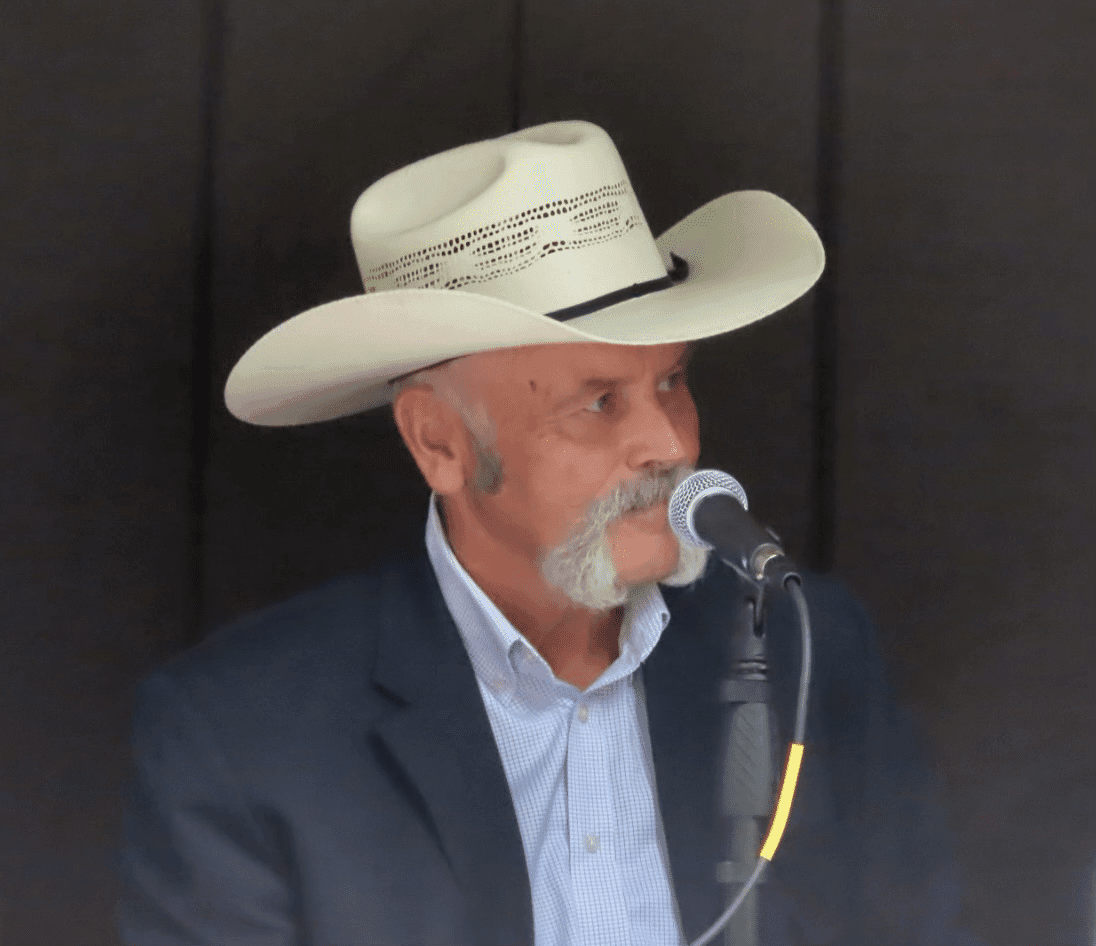
(Dr. Dave Daley is a fifth-generation rancher from Butte County, CA.)