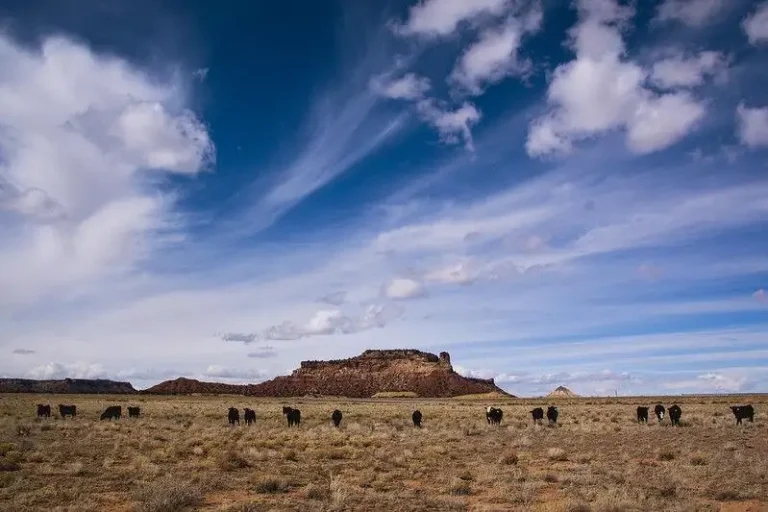
I make my living on the land. Like generations of ranchers before, me and my family raise cattle and sheep not as an abstract “industry,” but as a way of life rooted in rural communities across Oregon and the West. That is why I believe we need to have an honest conversation about gray wolves—about what happens when a species has recovered, yet policies fail to catch up with that reality.
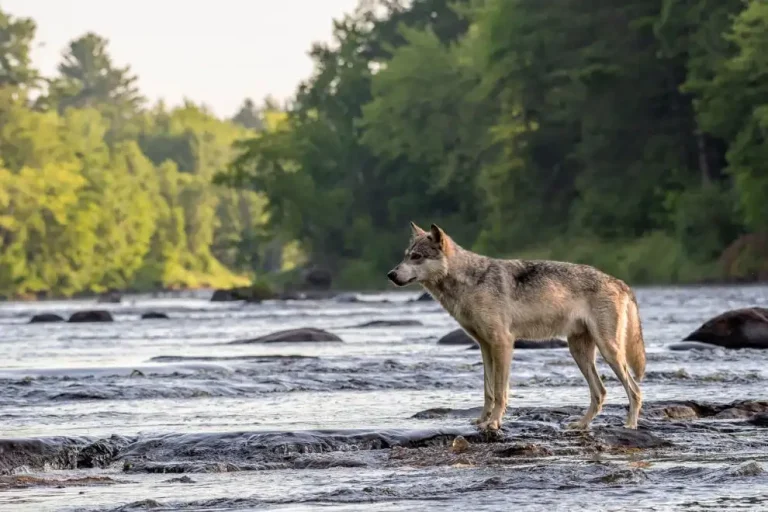
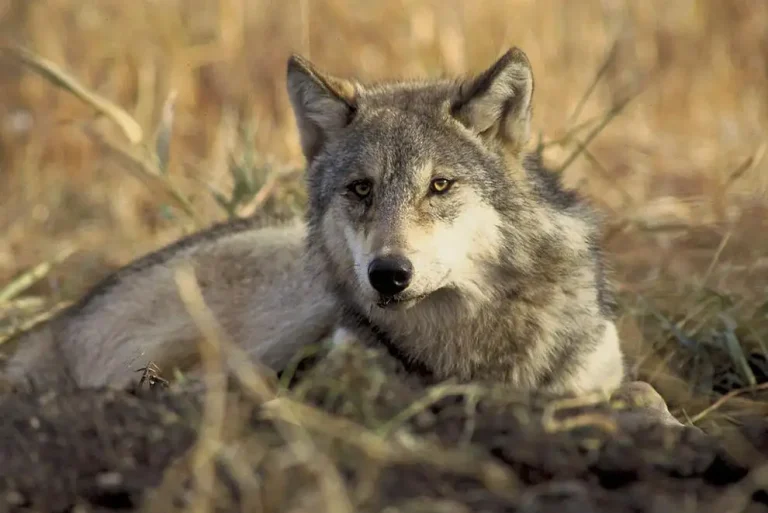
The reintroduction of gray wolves into Yellowstone in the 1990s was often described as a bold environmental experiment. In one important respect, it was a success. Wolves did what wildlife managers hoped they would do: they recovered. Today, there are thousands of gray wolves across the lower 48 states, with populations firmly established in Idaho, Montana, Wyoming, Wisconsin, Minnesota, Michigan and expanding throughout Oregon, Washington, California and Colorado.
Despite these growing and established populations, there is a refusal to acknowledge that success and move management back to the states. Instead, ranchers and rural communities are left navigating a confusing patchwork of federal and state regulations that make it nearly impossible to protect our livestock and our local livelihoods.
In too many parts of Oregon, where I live, a single wolf can cross a county line and suddenly fall under a completely different set of rules. In one jurisdiction, states are allowed to manage problem wolves. In the next, that same animal is fully protected by the federal government, even if it is actively preying on livestock. Ranchers are forced to stand by, document losses, file reports, wait for agency responses, and hope that the situation somehow resolves itself before the next calf is killed.
Hope is not a management plan.
The impact on livestock producers is real and measurable. Wolves will not only kill calves outright, they also place constant pressure on entire herds. That stress shows up in lighter calves at sale time and lower conception rates in cows that are repeatedly harassed. The result is smaller, weaker calf crops before the next season even begins, with losses that compound year after year. For family ranches already grappling with high fuel costs, expensive feed, and an ever-growing burden of regulation, losses like that can mean the difference between making it through another year or being forced to sell out altogether.
When ranchers struggle, the effects ripple outward. Rural communities depend on healthy agricultural operations to support small businesses on Main Street. As ranches scale back or disappear, local tax bases shrink, jobs vanish, and entire rural economies are weakened—often in places that have few alternative sources of income.
This issue is bigger than economics. It’s about fairness and respect for rural communities. Ranchers are not asking to eliminate wolves or ignore science. We are asking for balance. We are asking for management that reflects reality on the ground and recognizes that wolves are no longer an endangered species hovering on the brink of extinction.
What makes this especially frustrating is that the Endangered Species Act (ESA) is supposed to work exactly this way. Species are listed when they are at risk. They recover. Then management shifts back to the states. Since Congress enacted the ESA in 1973, approximately 1,700 species have been listed as threatened or endangered, not counting experimental populations. Only three percent of listed species have ever been classified as recovered and subsequently delisted.
Every year this stalemate continues, more ranchers are pushed to the edge, and more rural communities absorb the cost. We can acknowledge conservation success without sacrificing the people who steward the land, but that requires leadership and courage from policymakers.
Wolves are recovered. It’s time for the Senate to act, pass the Pet and Livestock Protection Act, return management to the states, and adopt practical solutions that allow ranchers, wildlife and rural communities to coexist. — Skye Krebs, Oregon rancher and National Cattlemen’s Beef Association vice president