A scorching day in the pasture often leads horses and livestock to find cooling relief in the mud. But while playing in the mud may seem harmless, large animals’ attempts to cool off may offer up the opportunity for the bacteria that cause tetanus to creep into existing wounds.
Dr. Kallie Hobbs, an assistant professor at the Texas A&M College of Veterinary Medicine and Biomedical Sciences, provides insight into how large animals contract tetanus and the preventive measures that can be taken to shield them from this toxic disease.
Hidden threats in the mud
Tetanus is caused by a bacterium Clostridium tetani, which can live in the soil and manure surrounding horses and livestock.
According to Hobbs, animals usually get infected when this bacterium enters their body through:
• Deep cuts or puncture wounds.
• Surgical sites (such as from castration and dehorning).
• Umbilical infections in newborns.
• Small wounds that owners may not even have noticed.
To safeguard against an infection, it’s important to clean wounds right away and keep an eye on how they heal.
“Because horses are especially sensitive to tetanus, even a minor injury should be taken seriously,” Hobbs said. “For newborn animals, make sure birthing areas are clean to prevent infections through the umbilical cord.”
A toxic encounter
Once a large animal has contracted tetanus, the bacteria’s powerful toxin begins to take a toll on the animal’s nervous system.
“The toxin from tetanus causes muscles to tighten and spasm,” Hobbs said. “It blocks the signals that tell muscles to relax, so the animal becomes stiff and can’t move normally. This can appear as a rigid ‘sawhorse’ stance, an elevated tail or wide eyes.”
This blocking of signals can also lead to:
• Difficulty breathing or swallowing.
• Irregular heart rate.
• Digestive issues.
While internal factors are difficult for owners to detect, stiffness in the legs or neck is a red flag that there is an abnormality in their animal’s health.
If tetanus goes untreated, it may also result in lockjaw, protrusion of the third eyelid, or a sensitivity to sound and touch.
“Without treatment these symptoms can quickly become life-threatening,” Hobbs said.
Pinpointing the affliction
When diagnosing tetanus, veterinarians take symptoms and any recent injuries into consideration.
“While there are tests that can identify the toxin, they are not always necessary, as testing turnaround time can be several days,” Hobbs said. “Early recognition is key to successful treatment.”
Treating tetanus is intensive and includes:
• Cleaning the wound to remove infected tissue.
• Antibiotics (usually penicillin).
• Tetanus antitoxin to neutralize the toxin.
• Muscle relaxants and supportive care.
• Keeping the animal in a quiet, dark space to reduce stress.
• Even with treatment, recovery can be slow and unpredictable, and an estimated 50% of animals do not survive, according to Hobbs.
Taking the tetanus initiative
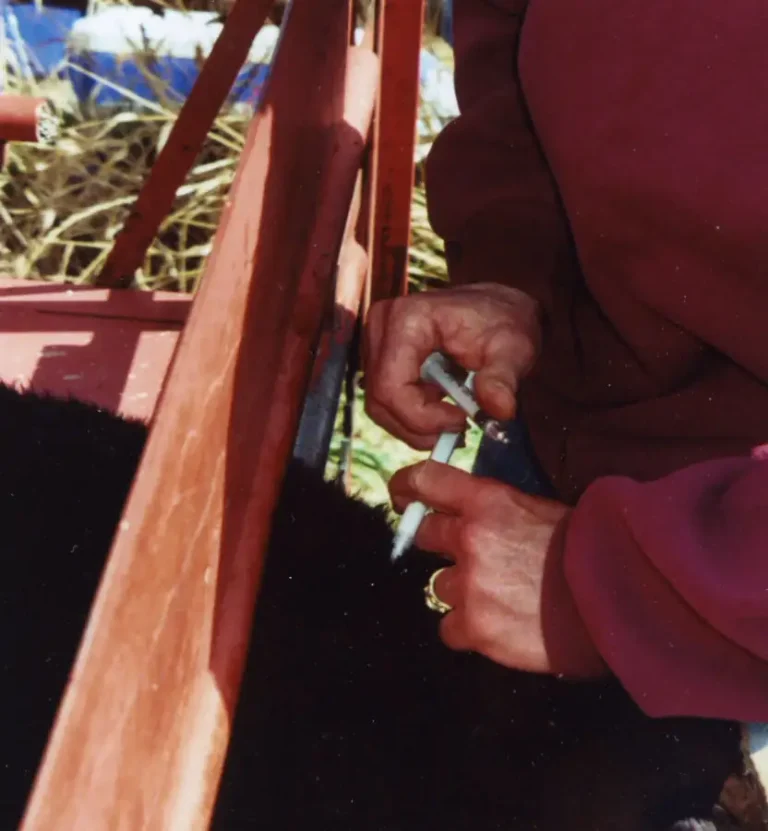
While tetanus can be a serious threat, it’s also easy to prevent. Protecting your animals from tetanus starts with vaccination.
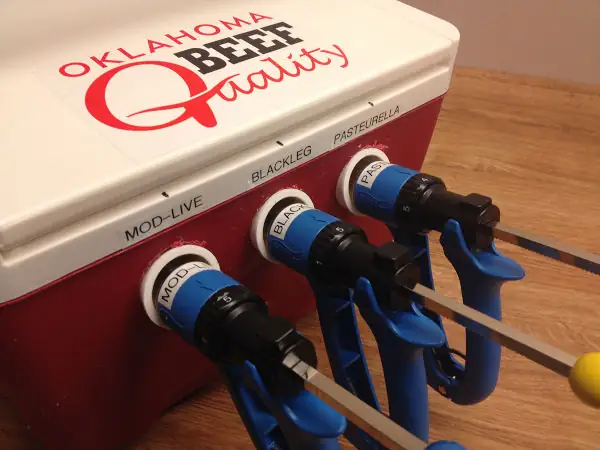
“Horses should receive an annual vaccine that contains tetanus toxoid, which helps their bodies build protection against the disease,” Hobbs said. “For cattle, sheep and goats, this protection is usually included in a CD&T vaccine, which covers bacterial diseases in the intestine that can lead to diarrhea caused by Clostridium perfringens types C and D, as well as tetanus.
“(In addition) If your animal has surgery or gets injured, ask your vet about giving a booster shot to reinforce their protection,” Hobbs said. “Vaccination is affordable, highly effective, and truly the key to preventing tetanus.”
Having a conversation with your veterinarian and planning an annual administration date of the vaccine is the first step in shielding your large animals from the threat of tetanus. — Texas A&M University College of Veterinary Medicine and Biomedical Sciences