The Bureau of Land Management (BLM) issued a record of decision on the Rio Puerco Resource Management Plan (RMP) in central New Mexico, opening up more acres to grazing while balancing natural resources.
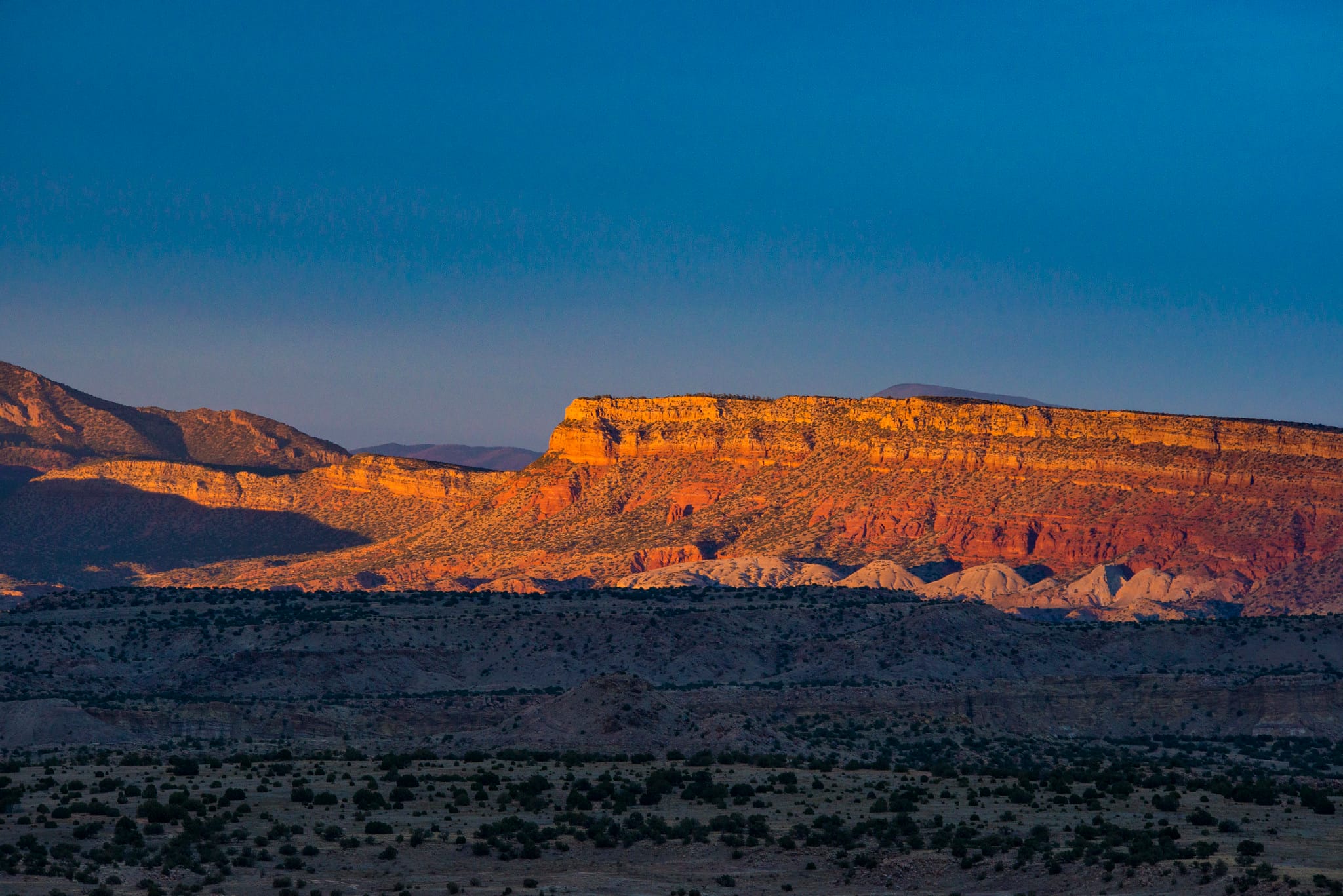
The RMP encompasses about 9.5 million acres across six counties, including approximately 731,600 acres of public surface lands and 3.6 million acres of federal subsurface minerals managed by the Rio Puerco Field Office in New Mexico. Counties include Bernalillo, Cibola, McKinley, Sandoval, Torrance and Valencia counties.
The agency said the revision to the RMP was necessary to update management decisions for various uses and resources, including land tenure, mineral resources, recreation, livestock grazing, renewable energy and areas with wilderness characteristics. Rapid population growth has rendered the previous 1986/1992 RMP less effective. Since the last RMP update, BLM said the Southwest region has seen a population boom, nearly doubling within the field office boundary from 500,000 people to 1 million people. This has made it increasingly challenging to allocate public land for non-conflicting uses.
“The BLM greatly appreciates all those who contributed to the Rio Puerco RMP planning effort, particularly members of the public, who provided important feedback; our cooperating agencies, which included federal, state, and local governments; and Native American Tribes,” Melanie G. Barnes, BLM New Mexico state director, wrote in the decision. “The extensive public interest and involvement in this planning process ensured that the Approved RMP will sustain the health, diversity, and productivity of BLM-administered lands for present and future generations to use and enjoy.”
After considering several alternatives, BLM decided on Alternative C, which intends to balance “the protection, restoration, and enhancement of natural and cultural values with resource use and development.”
The approved management plan manages 640,300 acres available for livestock grazing—more than Alternative B (480,200 acres) but similar to Alternative D (643,400 acres). BLM said there are 164,776 acres within BLM grazing allotments currently managed by the Bureau of Indian Affairs but located in the management area, which will continue to be managed by the Bureau of Indian Affairs.
BLM outlined several actions and guidelines for managing livestock grazing under the RMP. These include allowing adjustments to allotment boundaries, joining or splitting allotments, and modifying grazing seasons, all subject to appropriate environmental review under the National Environmental Policy Act. To support land management goals, BLM will propose and implement range improvements as needed, aligning with the objectives of the RMP and future revisions.
BLM plans to work closely with permit holders to apply adaptive management strategies, such as adjusting grazing seasons or the number of animal unit months, based on solid data about forage availability and the health of the land. Depending on the situation, these changes could be short-term or long-term. For grazing permits that are voluntarily surrendered, the BLM will handle each case individually, ensuring any new allocations meet rangeland health standards and support broader land management goals before offering them to qualified applicants.
Additionally, the plan allows forest product harvesting on 557,000 acres, significantly more than Alternative B (120,400 acres) but less than Alternative D (633,700 acres). BLM said this approach provides flexibility to support communities relying on fuelwood and forest products while safeguarding sensitive areas. Alternative C designates 5,100 acres for off-highway vehicle (OHV) recreation for cross-country use, ensuring recreation opportunities while minimizing resource conflicts.
The RMP shows that approximately 262,000 acres are available for solar development and 27,200 acres are open for wind development. The agency’s goal is to promote “renewable energy on public lands where compatible with land management goals,” except for wilderness areas, designated areas of critical environmental concern (ACECs) and floodplains.
The RMP also focuses on wilderness and conservation, managing 26,610 acres of lands with wilderness characteristics to preserve their unique features. While Alternative C allows some activities, such as OHV use, in areas like Volcano Hill and Cimarron Mesa, it prioritizes protecting these lands from degradation. Furthermore, the plan designates 109,690 acres as ACECs, balancing the size of protected areas like Cabezon Peak and Ojito with other land uses. BLM said it selected this alternative because it offers the best compromise between resource protection and land use flexibility.
The approved RMP and detailed information about the grazing allotments within the management area can be found at tinyurl.com/2p8m6per. — Charles Wallace, WLJ contributing editor