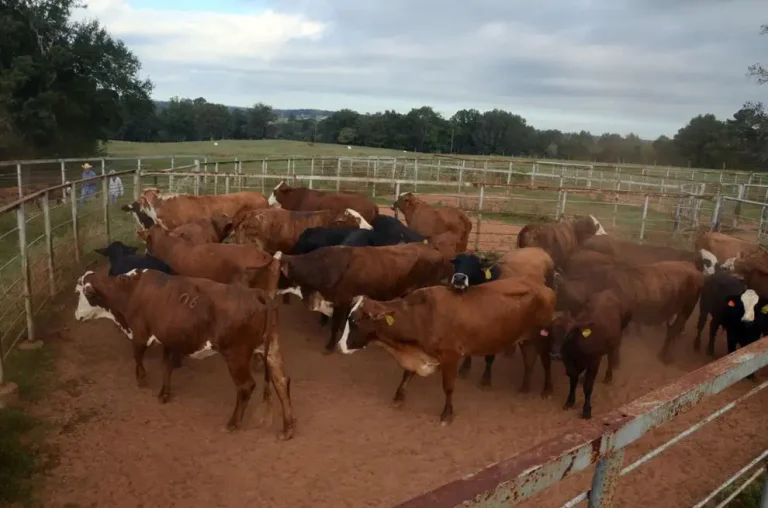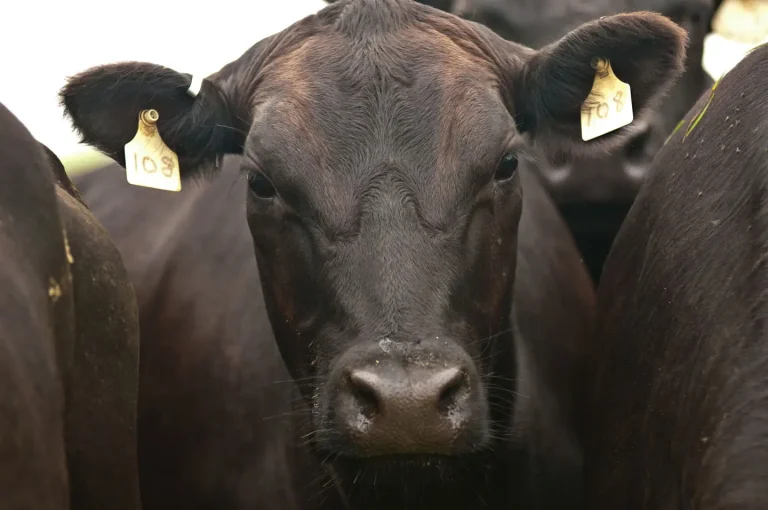
To improve efficiency of cow-calf operations, it is imperative to identify individual cattle and maintain accurate production records. One type of permanent identification is branding. A fire brand can be used but many producers prefer freeze branding.
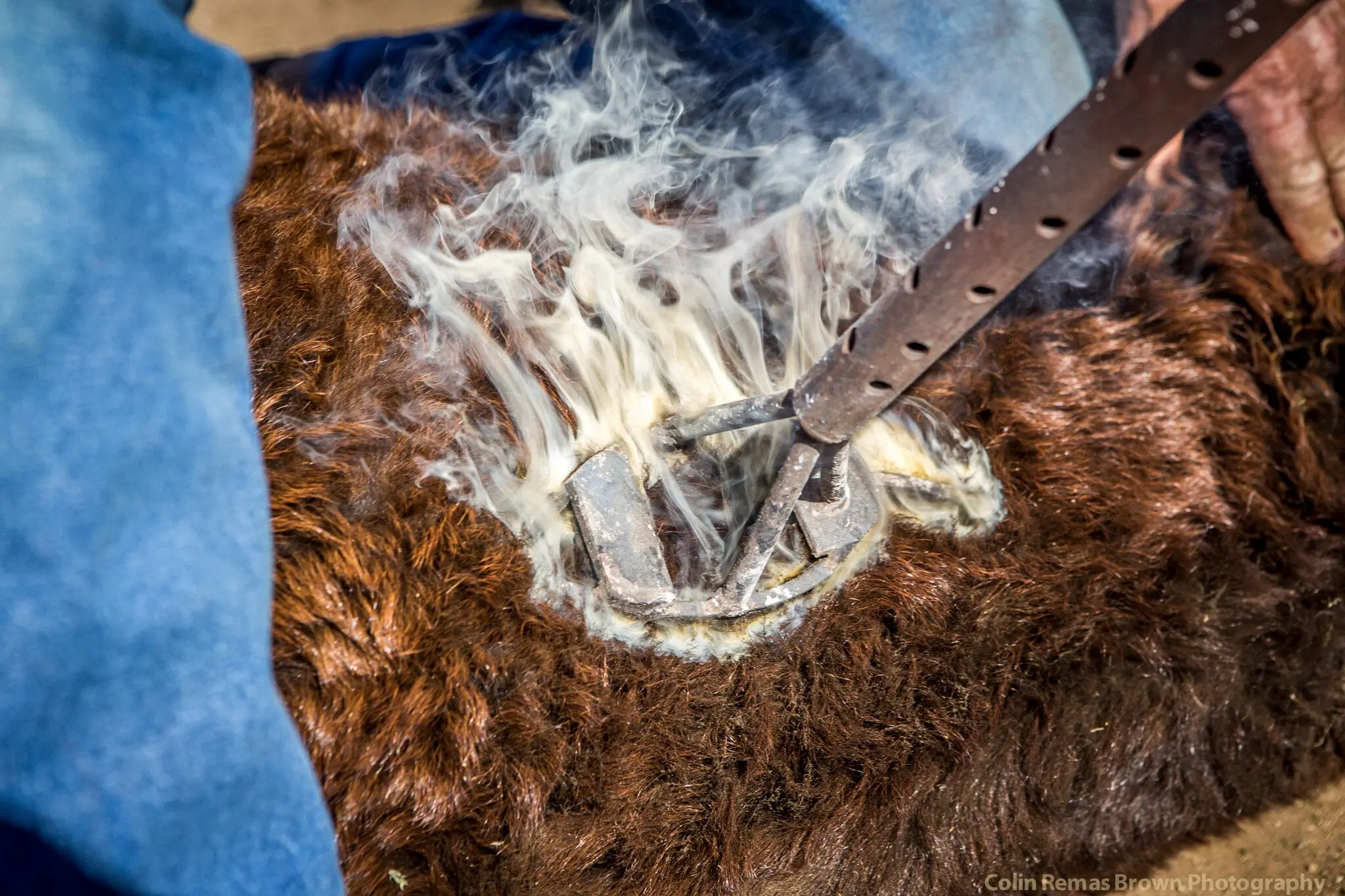
Freeze branding is performed using a coolant and copper or copper-alloy branding irons. Two common freeze branding methods include using either liquid nitrogen or a combination of dry ice and alcohol as a coolant. Most producers get better results with dry ice and alcohol, but locating dry ice can be a challenge. Liquid nitrogen can be purchased from welding supply stores and AI companies.
Freeze branding is relatively stress-free for the animal and causes little or no damage to the hide. Unlike fire brands, freeze brands result in reduced incidences of blotching. On the downside, freeze branding takes more time, can be more costly and over time, brands may fade. Until you are satisfied your procedure is working, ear tags and tattoos are recommended as additional forms of identification.
It is best to freeze brand during the spring or fall months while the hair is growing. As the brand is applied, melanocytes (pigment-producing cells in the skin) are destroyed, and subsequent hair growth is white. The effectiveness of freeze branding is usually better for black and red cattle than for white cattle. Do not freeze brand when it is rainy, windy or humid. In these bad weather conditions, the irons change temperature rapidly, hindering the branding effects.
At Oklahoma State University (OSU), the Purebred Beef Cattle Center uses the following tools and procedure to freeze brand.
Materials needed
• Methanol (found at any oil supply company). At least 15 gallons for a full day.
• Dry ice (typically found at Homeland grocery stores). At least 50 pounds for a full day.
• Plastic or Styrofoam cooler (large enough for coolant mix and all irons).
• Pair of clippers with fine blades or 22 comb premiers (and source of electricity for clippers).
• Spray bottle or empty dish wash bottle.
• Rice root brush.
• For best results, use a brand that is 3 to 31/2 inches. Others are too small or get too large as cattle mature.
• Squeeze chute to properly contain the animal for safety.
• Stop watch (or some means of timing).
Procedure
First, break the dry ice into smaller cubes in a plastic or Styrofoam cooler. Dump the methanol onto the dry ice, covering the numbers or letters on the brand and ice. For best results, let the irons activate for 1 1/2 to 2 hours.
Put the animal in a tightly confined squeeze chute for everyone’s safety.
Shave a patch where you intend to brand the animal. Typically, brands are on the shoulder, mid-rib or hip area. At OSU, the shoulder and hip are utilized. The area shaved is usually 12 inches long and 4 inches tall for a 4 number identification.
Spray the shaved area with methanol and wipe off excess with a rice root brush.
Place the brands on the skin for one minute. It is vital to keep the irons pressed evenly against the skin for the best results.
Brands will need to spend at least one to two minutes in the coolant between each use.
Depending on labor available to assist, you can typically do two numbers at a time. More than that can become cumbersome to keep even or level.
Once finished, you will notice the skin will start to peel off within three to four weeks and white hair will grow back six to eight weeks after branding.
Primarily permanent identification means we don’t need to worry about lost ear tags. Hip brands are easier to read and identify in larger pastures or during heat detection. If desired, brands can replace tattoos as permanent identification. — Mark Z. Johnson, OSU Extension beef cattle breeding specialist