This is shaping up to be an unusually chaotic September, affecting all aspects of U.S. life. Politically, big struggles are afoot. Economically, some serious questions arise. Weather events, crop results and basic and longer-range supply chain problems are concerning, as well as new major energy and power problems.
The most pressing economic questions for food producers will be how the ending of federal unemployment bonus checks, the mortgage payment moratorium and weak job growth will affect consumer spending. Cash flow has been boosted with government payments, pushing at least short-term price inflation for many goods and services.
The Bureau of Labor Statistics said total payroll numbers increased by only 235,000 in August, far less than economists had expected. Unemployment declined to 5.2 percent. Some things can’t be bought at any price, perhaps freeing cash for retail food and foodservice spending.
Foodservice outlets are still operating short-staffed. While the restaurant industry had gradually added jobs all year, that trend ended in August, losing 41,500 jobs. The government said restaurants are now at about 11.3 million jobs, about a million fewer than before the pandemic began in February 2020.
Wages for leisure and hospitality workers are up 10 percent over the last year. The National Restaurant Association is pushing for more government direct aid to restaurants, particularly independents that have been affected by COVID-19 problems and wage pressures. The industry recently released a survey showing that 19 percent of consumers have stopped dining out entirely because of pandemic concerns.
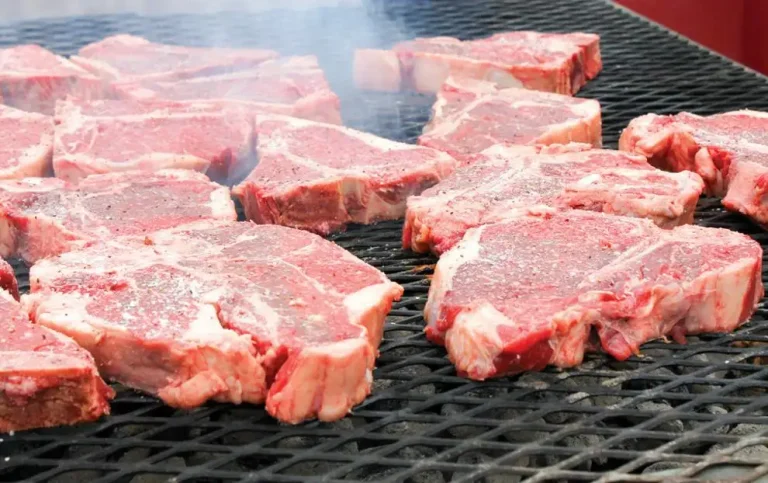
But, chain sales have remained relatively steady, indicating shifts to takeout and delivery have been making up the difference for bigger operators able to adjust. Beef demand and boxed beef prices continue strong, and few experts seem to expect consumer spending to ease off soon. How much momentum is out there in an economy no one has experienced before is an open question.
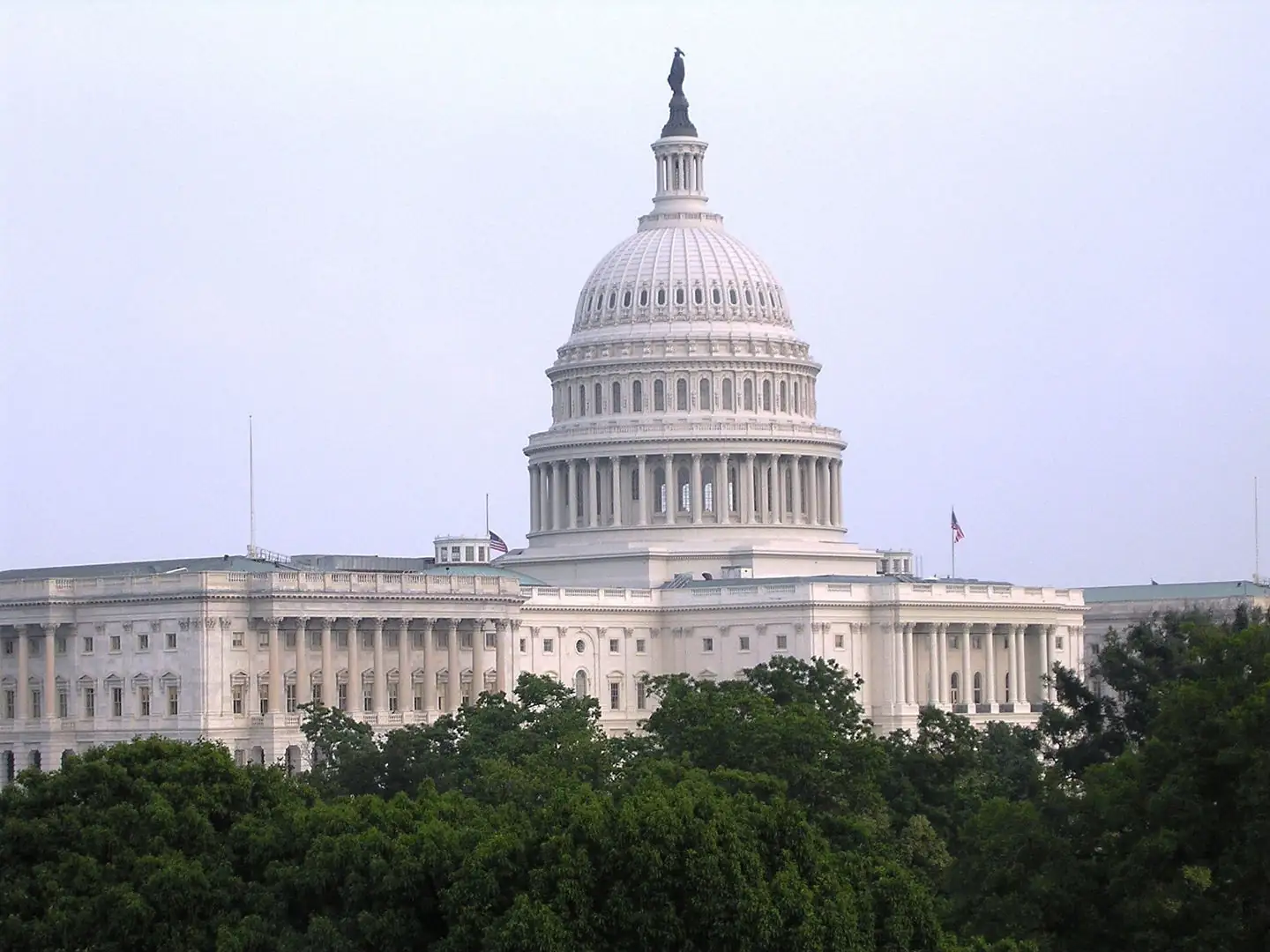
Politically, there is lots at stake, with seemingly little concern for impacts on taxpayers and producers. There will be the usual fight over the debt limit and the government running out of money by Sept. 30, the fiscal year end. But the two big legislative fights simmering all year will likely come to a full boil this month.
The vote over the roughly $1 trillion “bipartisan” “infrastructure” bill, teeming with not-really-infrastructure spending, has been delayed by the far-left progressive wing of the Democrat party. They insist they will not vote for the infrastructure bill until they get a vote on the monster $3.5 trillion American social engineering overhaul reconciliation bill.
Somewhat appallingly, the dispute among the Democrats is not whether the country should embark on a societal overhaul of government pre-kindergarten, education “reform,” eldercare, expanded Medicare, drastic climate change programs and new tax increases, but how much money the government doesn’t have should be spent. First American principles are not the real discussion. It is mainly a political power struggle between the far-left progressives, West Virginia Sen. Joe Manchin (D) and moderate Democrats concerned more about spending than abandoning American governing philosophy.
Such massive spending has big implications for taxpayers. But while the progressive Democrats believe they have the country’s voters on their side—lined up to get more money from the government—and create a more “just, equitable” society from the $3.5 trillion bill, they can’t be certain the voters support them.
They are concerned this could be their last chance to force through their vision if the 2020 midterm elections gut their narrow voting margins. In what often consists of “compromise” in Washington, the fight might just come down to how much less than $3.5 trillion they can get.
Meanwhile, USDA’s crop reporting departments have been hinting at possibly unusual adjustments in forthcoming crop condition and yield projection reports. Tough summer weather, sudden influxes of pests and blights in corn and beans and storm damage could shade new numbers. Grain export flows have been impacted by Hurricane Ida, with drastic electric power grid damage, port damage and gas and oil well production, critical to much of the country, shut down and damaged.
Last month, we mentioned the 9th Circuit had rejected the Ranchers-Cattlemen Action Legal Fund, United Stockgrowers of America’s appeal of the ruling against its efforts to cripple the national Beef Checkoff—indeed, all commodity checkoffs. Ironically, according to Wayne Watkins, the attorney who has been involved in checkoff defense efforts for decades, the opinion issued by the three-judge panel provided a lot of ammunition, making it much harder for any new checkoff court challenges. Future threats to checkoffs would more likely come from congressional legislation. — Steve Dittmer,WLJ columnist
(Steve Dittmer is the author of the Agribusiness Freedom Foundation newsletter. Views in the column do not necessarily represent the views or opinions of WLJor its editorial staff.)