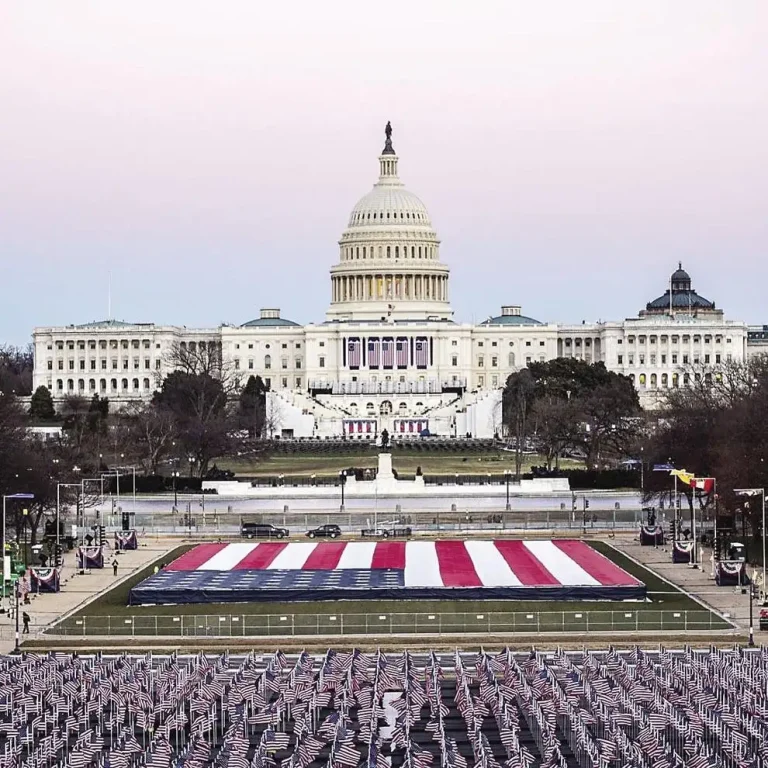
By the time you read this, we will likely have witnessed the first tranche of executive orders from the second administration of President Donald Trump. It will mark the beginning of a major turn in American politics, culture and the economy.
The first executive orders will have dealt with the illegal immigration at both borders and regulations which have made our energy and electricity more expensive than necessary. We can never get that money back, but people are relieved that at least we’re headed in the other direction.
Tax policy will have to come from Congress. That step and putting those executive orders into law to make their resurrection more difficult will come a bit later. The plan is to put all that into one reconciliation bill and have it put to a vote by Memorial Day or July 4.
To remind you, a reconciliation bill can only contain provisions that have an effect on spending—not policy—and requires only 51 votes in the Senate, instead of the 60 needed for regular legislation.
Our economy is doing better than many expected, but we are at a critical juncture. We could say the same about beef demand, except that we are really in a stronger position than the general economy. Given that many households are working hard to afford the necessities, much less anything else, we have sold beef at higher prices for longer than I can remember. And I can remember the time when we were selling less beef for less money for years on end.
The gross domestic product is hovering around 3% and the inflation rate is 2.7%, as of December. The Fed has cut interest rates the last three meetings of 2024. I don’t agree with those who say Trump’s efforts to boost the economy will cause inflation to pick up, especially in the long run. Keynesians believe the way to cure inflation is to stomp on demand. The Fed agrees. I agree with Art Laffer that boosting the supply side, juicing up productivity, is the way to kill inflation and boost the economy. Cutting tax rates is the method that has worked four times previously in the U.S. and it can happen again. Deregulation is important at the same time.
The Democrats—at least the leadership—don’t agree. Their plan was higher taxes, more regulations and higher prices for energy to force an energy “transition.” The voters rejected that theory, based on the contrast between four years under Trump and the Republicans and four years under Biden and the Democrats.
Allowing Americans to keep more of their money worked for Coolidge, JFK, Reagan and Trump’s first term. We have confidence Trump will do his part again. The question is, will Republicans with a narrow margin in both Houses stick together or attract enough commonsense-Democrats over to do Congress’ part?
The majority of the Democrat party will not give up, of course. They will not give up their theories or their power. They are not the Democrat party of the past, with common sense and some belief in the capitalist system.
The business community is certainly looking forward to the new administration. Some are referring to the optimism as the “Trump Effect.”
How much of that is due to businessmen relieved that they won’t have to deal with increased taxes and regulations and higher energy prices, and how much is due to confidence in Trump and the Republicans is hard to say. What’s certain is that businessmen and voters are eager to restart things without Biden and the Democrats fighting them at every turn.
Former House Speaker Newt Gingrich feels Trump and Vice President-elect J.D. Vance must campaign in certain Democrat districts for their reconciliation bill(s) just like in a general election. There are 37 Democrat districts Trump won (13) or got within 5% of winning in 2024. The tactic won for Reagan and it could win for Trump.
Our economy is far from bulletproof, but it is far healthier than most of the world. We need for the better off in those countries to strengthen so as to be beef customers. Which brings us to the question of tariffs. I do not expect there to be long, significant tariffs on Canada and Mexico. Neither side can afford that. We have strong connections with Japan and South Korea. But there may be some disruption and short-term pain while Trump works to even up the balances of cost/benefit in America’s favor. But it’s complicated interaction. — Steve Dittmer, WLJ columnist
(Steve Dittmer is the author of the Agribusiness Freedom Foundation newsletter. Views in the column do not necessarily represent the views or opinions of WLJ or its editorial staff.)