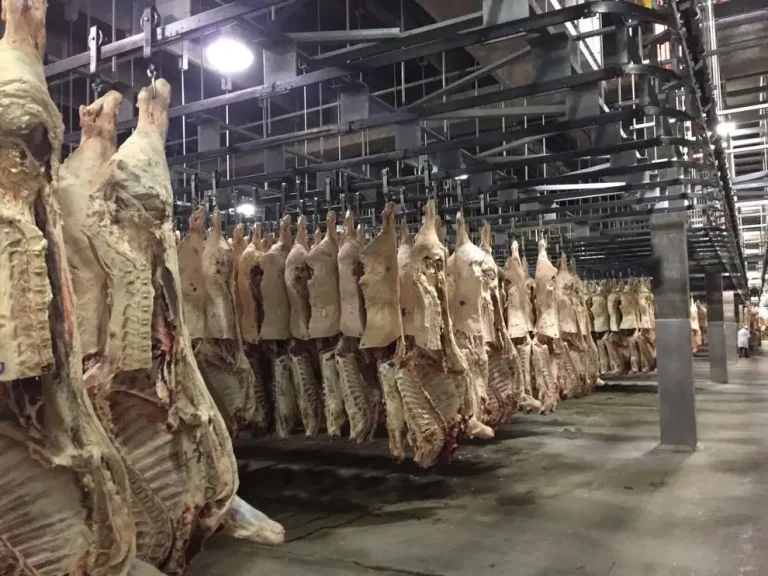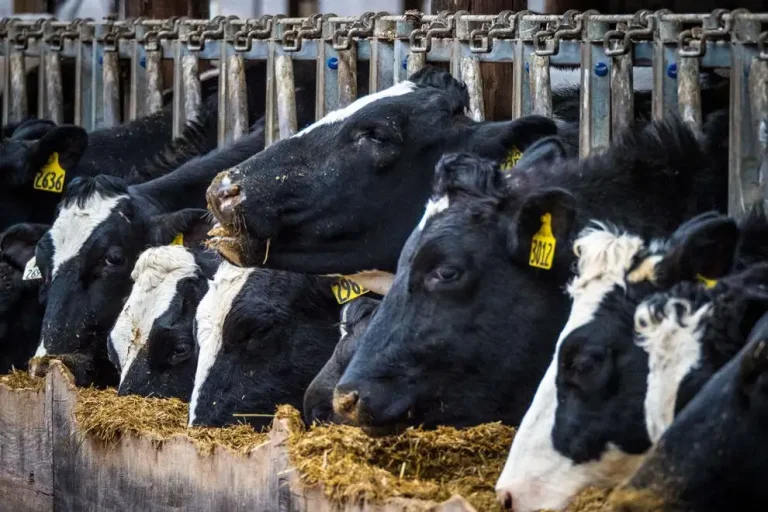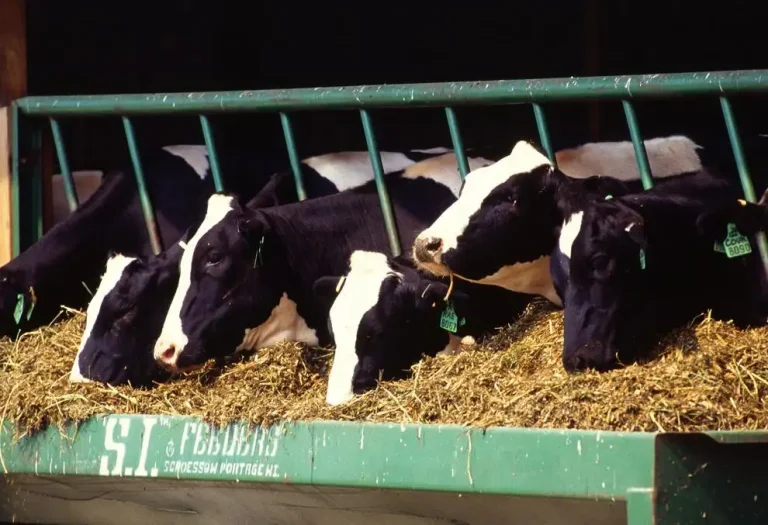
The dairy cattle sector is a vital contributor to U.S. beef supplies. With fluctuating beef cow inventories over the past decade, the U.S. dairy herd has offered a stable source of both feeder cattle and cull cows to fill beef demand. In 2016 the dairy sector contributed 5.7 billion pounds (22.7 percent) of beef through cull cows and finished dairy steers and heifers to the U.S. beef supply chain.
The percent contributed by the dairy industry has grown since 2002 when beef from dairy cattle contributed 17.9 percent of the U.S. beef supplies to 22.7 percent in 2016. While growth in the amount of beef produced from dairy steers and cull cows has not been steady, it has less variability than beef from native cattle. Over the period of 2002-2016, U.S. commercial beef production peaked in 2002 at 27 billion pounds, of which 4.8 billion pounds was from dairy cattle. Beef production in 2016 was 25.2 billion pounds, of which 5.7 billion of those pounds was from dairy cattle.
Finished dairy steers contribute more to U.S. beef supplies than culled dairy cows. Finished dairy steers contributed 2.9 billion pounds (10.8 percent) of total pounds harvested in 2002 and 3.5 billion pounds (13.8 percent) in 2016.
Continued contributions from dairy steers can be expected with the dairy cow herd surpassing 2015 levels and reaching a new high since 2002. Increased cow numbers lead to more calves and in turn more steers reaching harvest. Cull dairy cows contributed 1.6 billion pounds (5.8 percent) in 2002 and 1.9 billion pounds (7.5 percent) in 2016. Dairy heifers provided 349 million pounds (1.3 percent) of beef in 2002 and 356 million pounds (1.41 percent) of beef in 2016.
Often overlooked is the amount of Prime beef contributed by dairy animals, particularly dairy steers. With 85-90 percent of dairy animals being Holstein, Holstein steers contribute the largest portion of dairy beef. While traditionally discounted, Holsteins—particularly when managed as calf feds—have the potential for quality and yield premiums.
Due to more predictability in feeding and genetics, finished Holsteins—when compared to beef breeds—will produce a larger percentage grading Prime or Choice. Between 2002 and 2016, Holstein steers have contributed between 32 and 60 percent (depending on the year) of Prime beef harvested in the U.S.
Since 2002 the dairy industry has continued to be vital to beef supply and therefore prices. Dairy steers, heifers, and cull cows provide a significant percentage of the U.S. commercial beef production, and as such have an impact on market prices. — Jared Geiser, research assistant, and Brenda Boetel, professor of agricultural economics and Extension economist, with the University of Wisconsin-River Falls