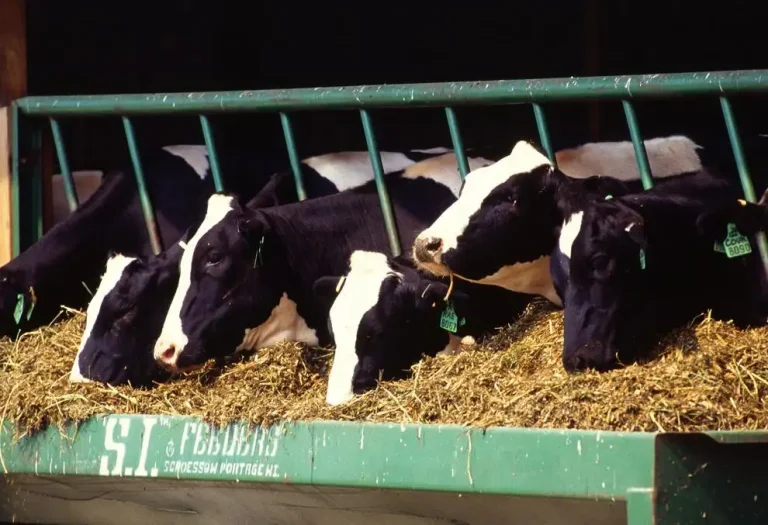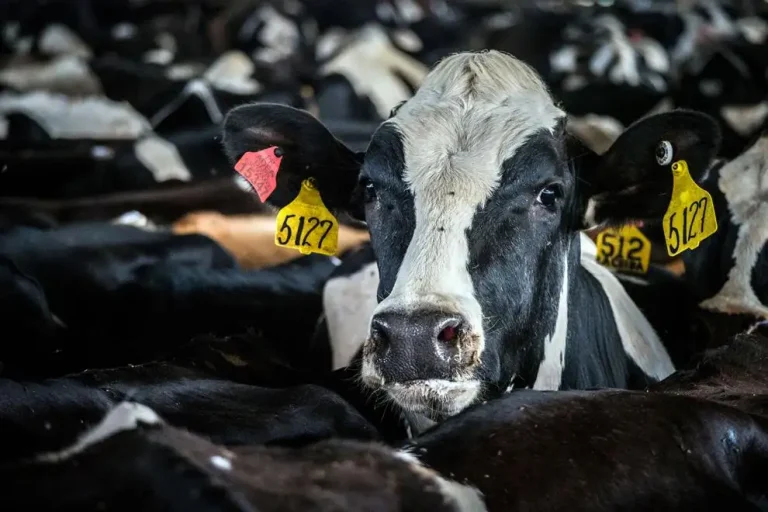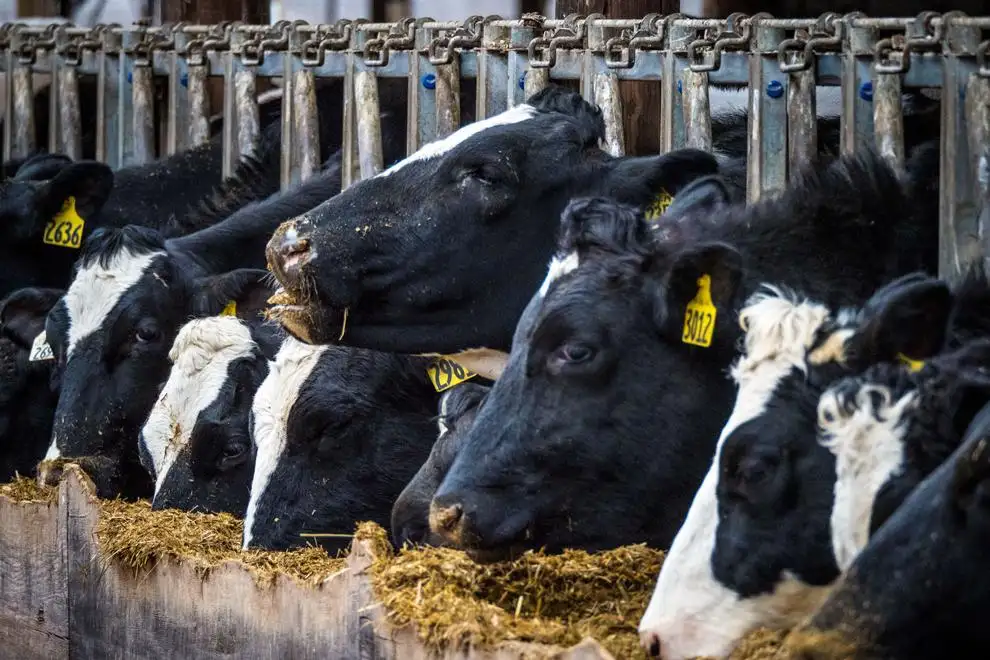
A large study to gauge how susceptible U.S. dairy and beef cattle are to influenza A viruses found that they are susceptible to human seasonal flu strains as well as swine influenza viruses, researchers based at the University of Missouri reported in mSphere.
It has been one year since H5N1 avian flu was first confirmed in dairy cattle, which occurred in a herd from Texas.
The new study is part of an effort to flesh out the extent of previous influenza A infection in cattle. Until the H5N1 outbreak in U.S. dairy cows, cattle weren’t typically considered a natural host of influenza A viruses.
Using an enzyme-linked immunosorbent assay (ELISA) targeting the influenza A virus, the investigators tested 1,724 cattle blood samples collected from 15 states, though the majority were from Missouri, since January 2023. The samples were from more than 30 different cattle breeds.
Overall, nearly 34% of the blood samples were seropositive for influenza A, including 78 samples from 2024, and 508 from 2023.
No H5N1 found
None of the samples were positive for H5N1 avian influenza, which the group said was surprising. Positive samples were tested by hemagglutination inhibition (HI) assay, which revealed 45 were positive for 2009 H1N1 and H3N2 seasonal flu strains and swine H3N2 and H1N2 viruses. Some were positive for two or three of the influenza A viruses.
The seropositive samples were detected every month of the year, though the positivity rate was higher in the winter and spring. Both cattle sexes were affected, with no significant difference in the male and female cattle.
The group said the findings underscore the importance of monitoring influenza A in cattle, given that reassortment of viruses from different species can occur in cattle, which could lead to novel influenza A viruses that could pose a threat to animals or people.
More detections in other mammals
In H5N1 outbreak developments, the USDA Animal and Plant Health Inspection Service (APHIS) reported three more detections in dairy cattle, all from Idaho, raising the national total since March 2024 to 993 across 17 states.
Idaho has now reported 44 outbreaks, including nine in the past 30 days.
Also, APHIS recently reported 24 more H5N1 detections in mammals, including 11 in domestic cats. Most of the samples were collected in 2025.
The infections in domestic cats were reported from six states, including Colorado (2), Texas (4), Kansas (1), Oklahoma (1), California (1) and New York (1). Also, the virus was found in a bobcat from Connecticut.
New detections were reported in skunks from Colorado and Kansas, a red fox from Pennsylvania, three black bears from New Jersey, a house mouse from Indiana, and a bottlenose dolphin from Florida. — University of Minnesota Extension