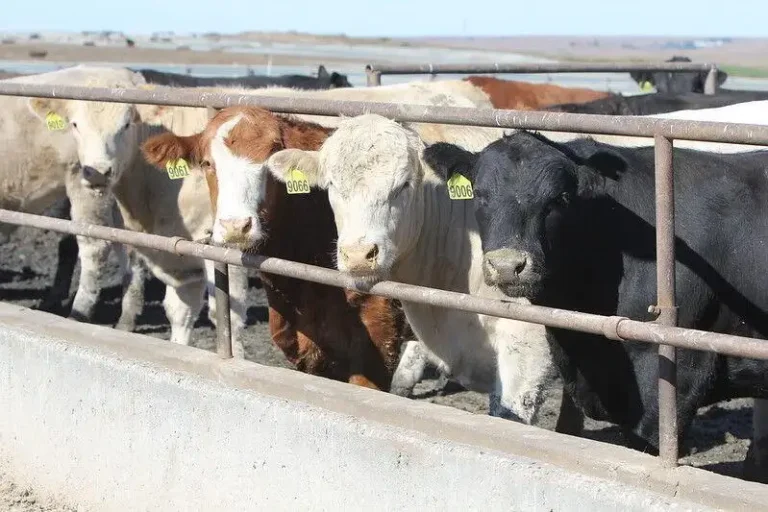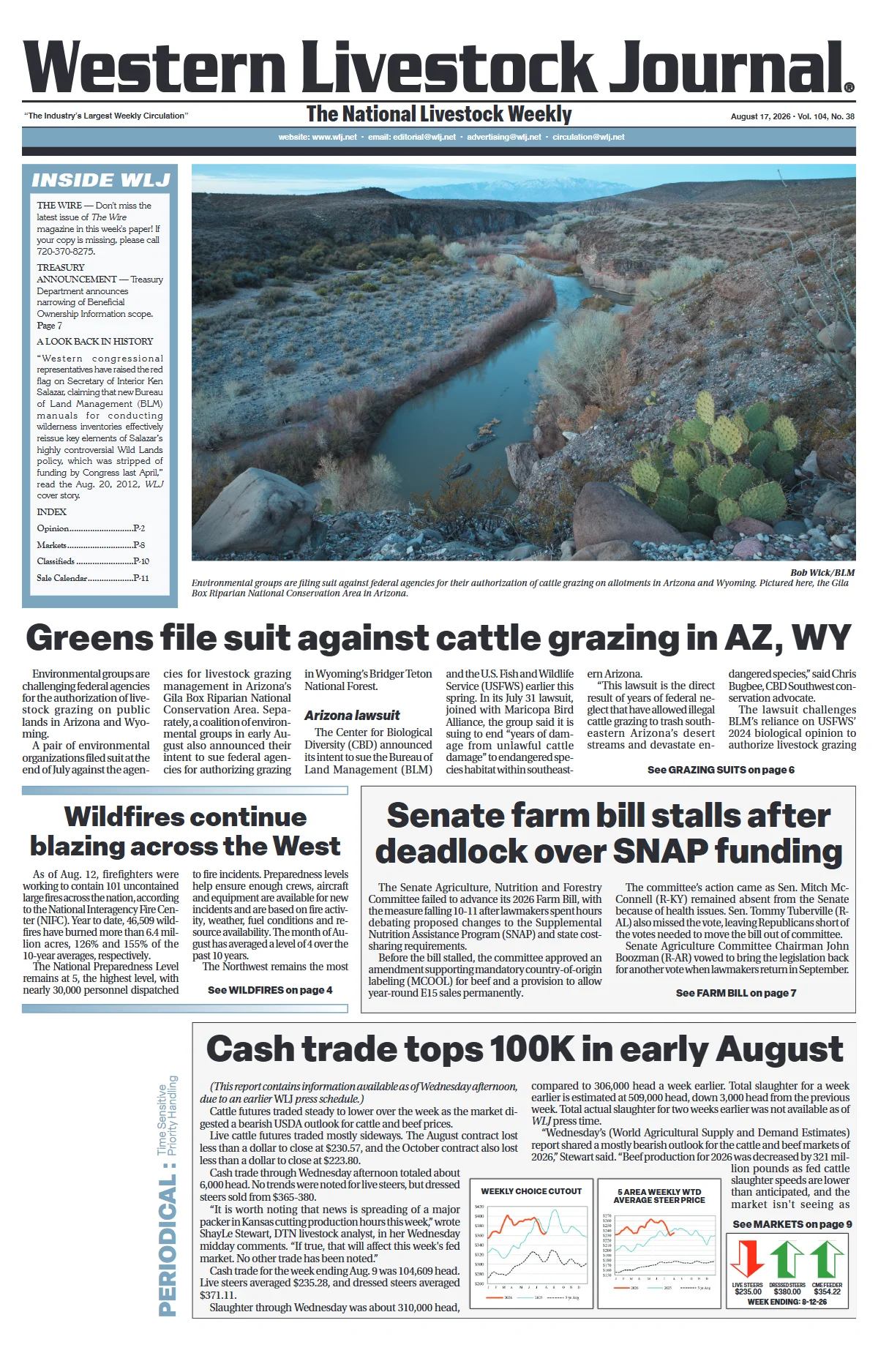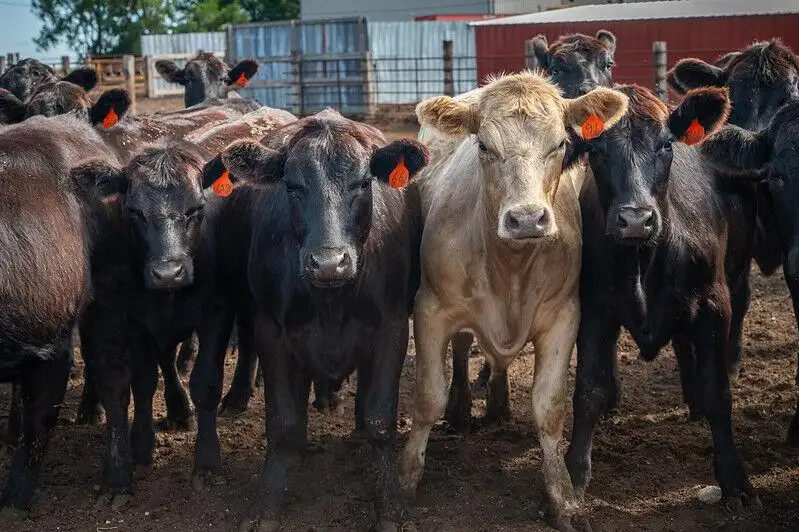
The June Cattle on Feed report showed a feedlot inventory 2.1% larger year over year. This was the second consecutive month of larger feedlot totals (May was up 1.8% year over year) after 17 months of year-over-year decreases in cattle on feed inventories.
However, a bigger feedlot total does not mean that cattle numbers are increasing. Feedlot inventories increased year over year in May and June because feedlot marketings have decreased more than feedlot placements. In the past 12 months, feedlot placements have decreased 6.1% while feedlot marketings have decreased 7.8%. Figure 1 shows that average feedlot placements and marketings have decreased sharply in recent months.

Decreased feedlot flows (placements and marketings) follow from ever-tighter feeder cattle supplies. The 2025 calf crop was the eighth consecutive smaller calf crop and was the smallest in 84 years. The resulting slowdown in feedlot production, while maintaining feedlot inventories, is accomplished by an increase in average feedlot days on feed and heavier final weights for fed cattle.
The Kansas Focus on Feedlots data shows average of 188 days on feed for the last year, with recent months up to 198 days. Final fed steer weights in Kansas feedlots have increased 105 pounds in the past 18 months, currently averaging 1,523 lbs.
Lower feedlot production means declining cattle slaughter and beef production. Fed cattle (steer plus heifer) slaughter in the first half of 2026 is down 8.7% year over year. Decreased fed cattle slaughter is partially offset by increased carcass weights.
Steer carcass weights are currently at 968 lbs. Steer carcass weights have averaged 35 lbs. heavier thus far in 2026. Heifer carcass weights are currently 884 lbs. and are averaging 26.6 lbs. more than one year ago. Cow slaughter is down 5.3% this year, leading to total cattle slaughter down 8.1% for the year to date.
Total beef production is down 5.5% year over year through the first half of 2026. Average fed beef production is currently at the lowest level since 2017, and average nonfed (cull cow and bull) beef production is now at the lowest level since 2006.

Average monthly commercial beef production is at the lowest level since late 2016. Total beef production is projected to be down 4.5-5% in 2026 compared to last year and is expected to decrease again in 2027 to the lowest beef production since 2015 (Figure 2). — Derrell S. Peel, Oklahoma State University Extension livestock marketing specialist