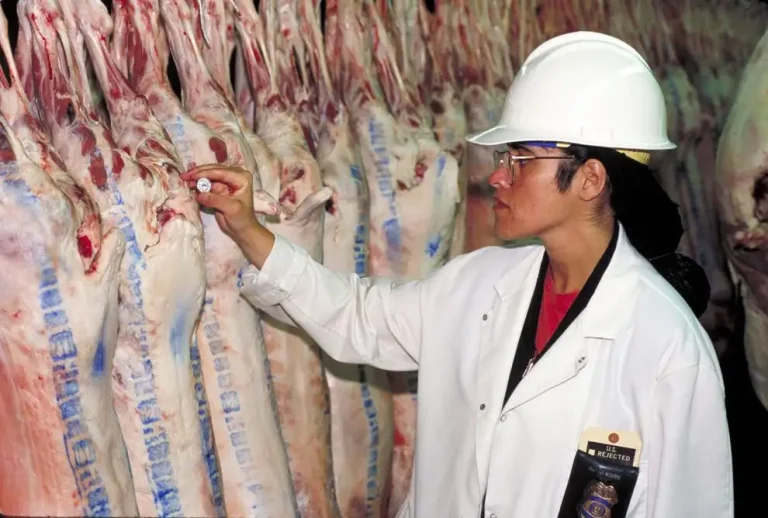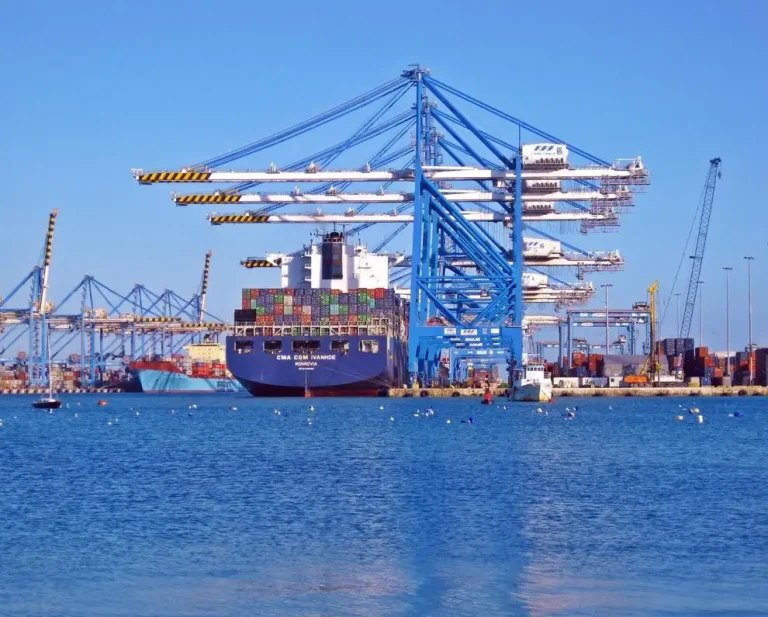
Beef exports were fairly steady with last September in major Asian markets but trended lower overall, according to data released by USDA and compiled by the U.S. Meat Export Federation (USMEF).
September beef exports were down 6 percent from a year ago to 103,277 metric tons (mt), valued at $600.9 million (down 9 percent). Through September, exports trailed last year’s pace by 8 percent in volume (911,936 mt) and 9 percent in value ($5.55 billion).
Beef export value averaged $274.31 per head of fed slaughter in September, down 14 percent from a year ago, while the January-September average fell 5 percent to $295.21. Exports accounted for 12.8 percent of September beef production and 10.5 percent for muscle cuts only, down from 14.6 percent and 11.9 percent, respectively, in September 2019. January-September exports accounted for 13.2 percent of total production and 11 percent for muscle cuts, down from 14.3 percent and 11.6 percent, respectively.
Pork exports reached 222,475 metric tons (mt) in September, with value increasing 6 percent to $563.2 million. Through the first three quarters of the year, exports were 16 percent ahead of last year’s record pace in both volume (2.22 million mt) and value ($5.69 billion). The increases were even stronger for pork muscle cuts, jumping 22 percent to 1.87 million mt valued at $4.93 billion (up 19 percent).
Pork export value averaged $51.07 per head slaughtered in September, up 2 percent from a year ago, while the January-September average increased 14 percent to $58.63. Exports accounted for 26.5 percent of total pork production in September and 23.9 percent for muscle cuts only, up from 25.1 percent and 21.7 percent, respectively. Through September, exports accounted for 29.6 percent of total production and 26.9 percent for muscle cuts, up from the 2019 ratios of 26.3 percent and 22.8 percent.
Beef demand still volatile
COVID-19-related obstacles continue to negatively impact demand for U.S. beef in several key markets, especially Mexico, Central America and the Caribbean. Some Asian markets also recently re-imposed social distancing measures, but retail and takeout demand in these markets tends to offset more of the losses in sit-down dining.
“Although restaurant traffic and foodservice activity are not back to normal in most Asian markets, USMEF is very encouraged by the recovery in Asia and this was especially evident in the strong August and September exports of U.S. beef to South Korea, Taiwan and China,” said Dan Halstrom, USMEF president and CEO. “As we close out the year, U.S. beef has a great opportunity to capture greater market share in Asia due to tightening supplies from Australia. While it will require more time, we also expect U.S. beef to regain momentum in regions where beef demand depends more heavily on travel and tourism, and where e-commerce channels are not as well-developed.”
Following a record performance in August, beef exports to Korea remained strong in September at 21,450 mt, up slightly from a year ago, though value slipped 7 percent to $140.7 million. Through September, exports to Korea trailed last year’s record pace by 3 percent in volume (189,712 mt) and 6 percent in value ($1.32 billion). Korea’s imports of chilled U.S. beef were on a record pace through September, increasing 15 percent from a year ago to 47,370 mt, with market share climbing to 64 percent.
Also coming off a record-large month, September exports to Taiwan were up 13 percent from a year ago to 5,756 mt, valued at $49.4 million (up 14 percent). These results pushed January-September exports 1 percent ahead of last year’s record pace at 48,285 mt, valued at $413.6 million (down 3 percent).
September beef exports to leading market Japan were up slightly from a year ago at 24,160 mt, though value fell 4 percent to $142.5 million. Through September, exports to Japan were 3 percent below last year in both volume (233,730 mt) and value ($1.47 billion). However, U.S. share of Japan’s imports has increased from 40.6 percent to 43.7 percent as Japan is importing less from Australia and Canada while imports of certain U.S. products, including short plate and tongues, exceed last year.
Other highlights for U.S. beef
Beef exports to China set another record in September at 4,730 mt valued at $32.3 million, more than tripling last year’s totals. January-September exports to China were 17,878 mt (up 160 percent from a year ago) valued at $129.6 million (up 136 percent). This growth helped push exports to the China/Hong Kong region 11 percent above last year at 76,493 mt, with value up 5 percent at $604.8 million. Australia’s grain-fed exports to China totaled 51,745 mt through September, down 1 percent from last year, while grass-fed volume fell by 30 percent to 104,100 mt on limited Australian production and strong competition from South America. USMEF projects strong demand for grain-fed U.S. beef in China even as prices have softened for grass-fed beef.
Demand for U.S. beef continues to strengthen in Canada, where exports were 12 percent ahead of last year in volume (83,017 mt) and 14 percent higher in value ($564.9 million). Canada has been a bright spot for U.S. beef variety meat, with exports climbing 21 percent to 6,803 mt valued at $14.8 million (up 40 percent).
Sub-Saharan Africa has also emerged as a strong destination for U.S. beef variety meat, with exports increasing 62 percent from a year ago in volume (21,476 mt) and 58 percent in value ($16.1 million), led by growth in South Africa, Cote d’Ivoire, Gabon and Angola.
Strong demand for U.S. beef livers helped push September exports to Peru to 1,182 mt, the highest since 2014. January-September exports to Peru were up 23 percent from a year ago at 7,417 mt. Value was down 20 percent to $15.5 million, reflecting a larger percentage of variety meat in the export mix.
September lamb exports higher
September exports of U.S. lamb cooled from July and August but remained higher than a year ago in both volume (1,971 mt, up 37 percent) and value ($2 million, up 13 percent). Driven by strong demand from Mexico, January-September exports increased 36 percent to 16,399 mt, though value was down 1 percent to $19 million. In addition to Mexico, lamb muscle cut exports increased from a year ago to Bermuda, Hong Kong, Japan and Kuwait. — USMEF