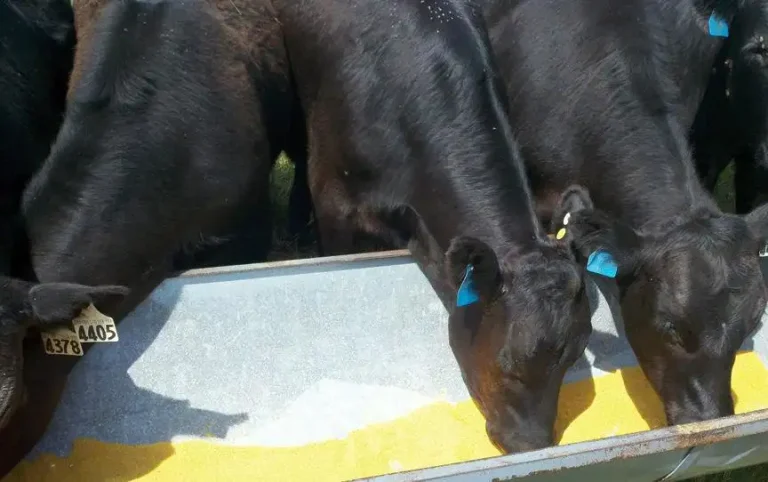
A Kansas State (K-State) University beef systems specialist said cattle producers may have a few options available to them to offset the rising costs of adding phosphorus to their herd’s diet.
Phosphorus is a common deficiency for cattle around the world, but the price of supplemental phosphorus mineral is increasing, said K-State’s Justin Waggoner. “We are expecting to see higher prices for mineral as we get into the fall and even on into the spring booking season.”
To balance the additional costs, Waggoner said producers “can focus on supplement selection and take into account the other sources of phosphorus that might be available.”
Many of the phosphorus sources that go into our fertilizer products—which also have been rising in price—are the same ones utilized in beef cattle mineral.
“(As) we see commodity prices go up and fertilizer input prices go up, the value of the phosphorus that’s being put into these mineral products is going to follow suit,” Waggoner said.
Mineral supplements are often used because cattle have varying needs for phosphorus. Waggoner said cattle receive phosphorus in their diet via native range, as well as feed supplements and mineral products.
Different minerals contain varying phosphorus levels. “Today, we have a variety of products to choose from, ranging from 4 percent phosphorus up to the traditional 12 percent,” Waggoner said. “Many of the products that we use to supplement a cow with protein throughout the winter months also bring a fair amount of phosphorus to the table.”
Commercial range cubes, dried distillers grain, cottonseed meal and corn gluten provide amounts ranging from 0.75 percent to 1 percent phosphorus.
“Taking into account those dietary sources of phosphorus can be a good step for producers to look at if they’re looking at ways to potentially reduce the cost of their mineral program this fall into spring,” Waggoner said.
Waggoner said it is important to make sure that the product used is palatable. A good way to evaluate if the cattle are consuming an appropriate amount is “to look at those target intake levels,” which can be found on the mineral bag’s tag.
“Do some rough math to what that would look like if we’re relatively on target for a week’s consumption with those cows,” he said.
“It’s always an expense to the balance sheet regardless of whether we’re talking about feed or mineral programs, and there’s certainly an opportunity here to maybe look at some potential cost savings,” Waggoner said. — K-State Research and Extension