With forecasted bitterly cold temperatures across Nebraska, producers may be wondering if overwintering insect pests could be killed and their populations reduced. Although we could see temperatures in single or negative digits with wind chills reaching several degrees below zero, insects have adapted to survive winter’s chill.
Many of our most significant pests, like western bean cutworm and western corn rootworm, spend the winter below the soil surface. While soil temperature is dependent on many factors, it generally does not fluctuate significantly, even during extreme cold snaps. Soil that is covered by crop residue or snow will be further protected from bitter air temperatures. This means that the insects overwintering belowground are protected as well.
Insects that overwinter in more exposed areas have additional cold adaptations. For example, soybean aphids overwinter as eggs and supercool to temperatures as low as -29 F while European corn borer larvae can produce glycerol, a substance which acts as a biological antifreeze.
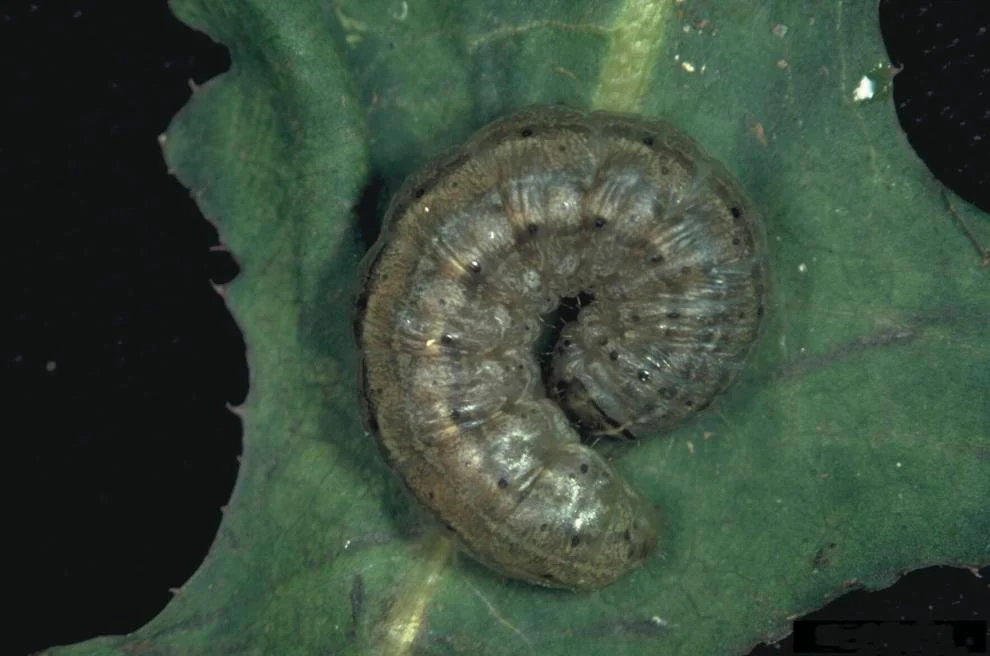
Additionally, keep in mind that not all insect pests overwinter in Nebraska. Several species including the fall armyworm, black cutworm and corn earworm spend the winter in warmer climates and migrate to Nebraska during the growing season.
Even though insect pest populations will undoubtedly survive this period of extreme cold, remember that beneficial insects like parasitoids and natural predators will survive too! — Samantha Daniel, Nebraska Extension