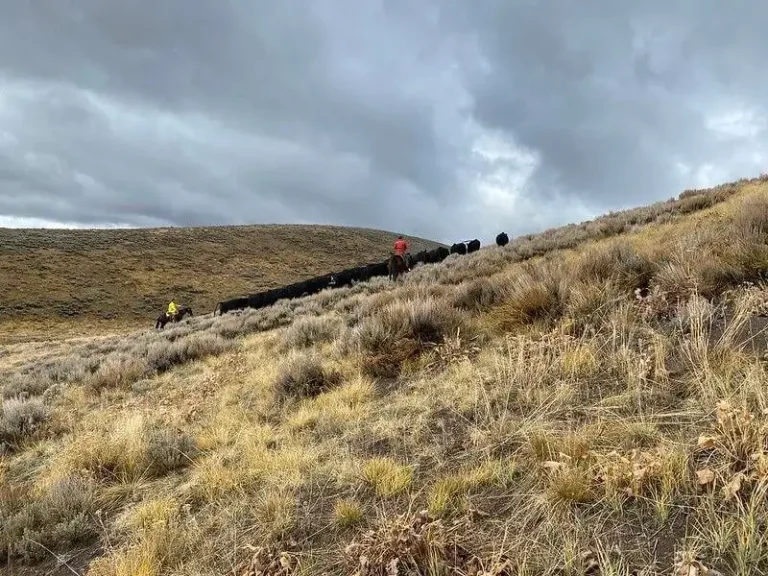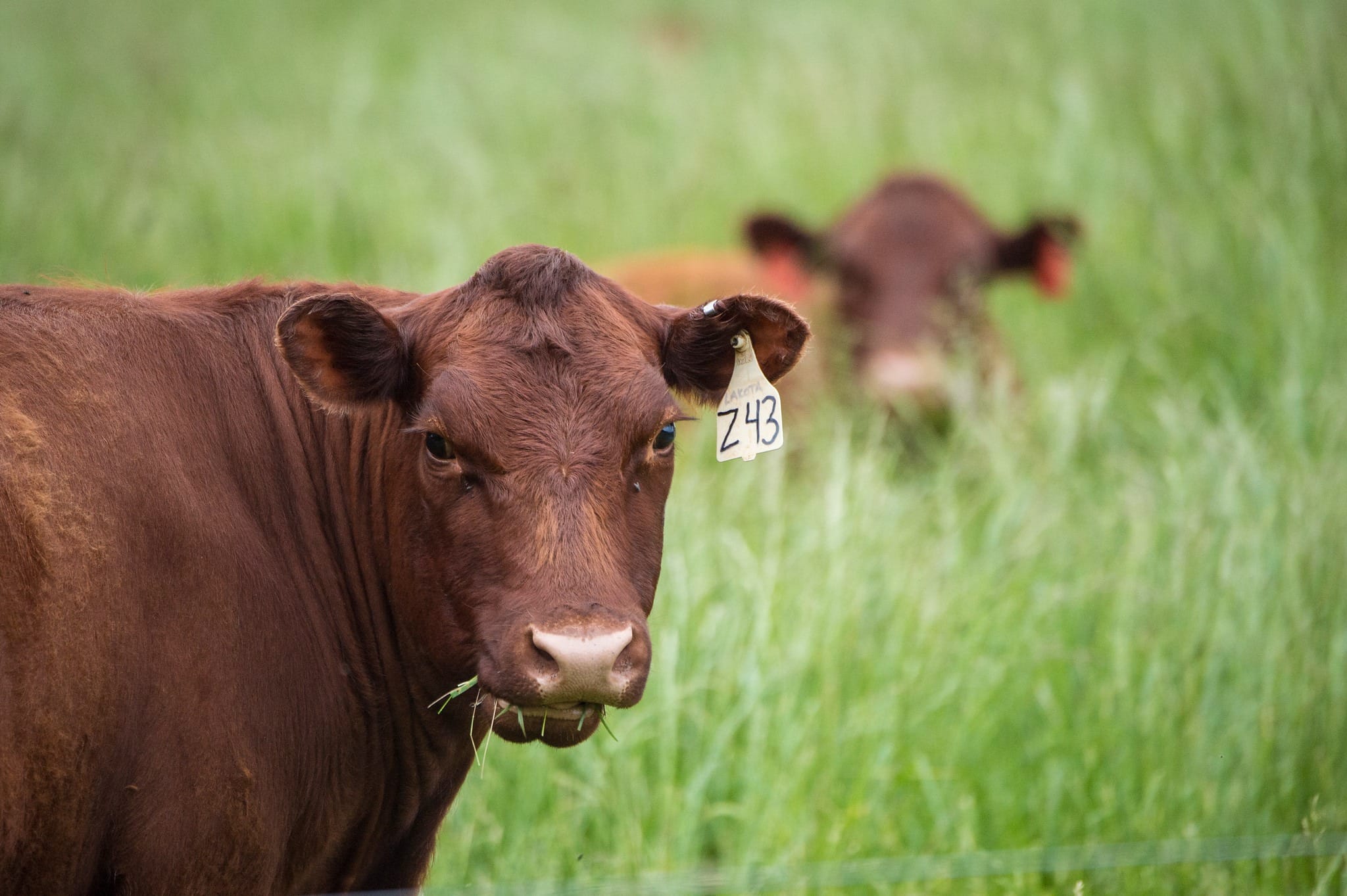
As pastures green up this spring, there may be an opportunity for producers to get some early forage and manage weeds, flash grazing. This can be particularly beneficial for early weeds like cheatgrass or downy brome. Especially problematic in the western parts of the state, cheatgrass greens up early, outcompetes native species and creates fine fuels that increase wildfire risk.
Targeted flash grazing—short-duration, high-intensity grazing—can suppress cheatgrass if timed right. The best window is during the elongation phase, just before seed set. This is when animals prefer it. Nutritional value is fairly high, before it robs your pastures of moisture and nutrients, and most importantly, before it reseeds itself for the next year.
Flash grazing doesn’t have to be limited to cheatgrass. In eastern Nebraska, pastures hit by drought last year can expect a flush of spring and summer weeds. Flash grazing offers a chance to control those weeds while providing valuable early forage—especially if you’re delaying full pasture turnout to allow for regrowth.
Similarly in native pastures being invaded by cool-season introduced species like smooth brome and Kentucky bluegrass, flash grazing can be a useful tool. Turn out early, before warm season species begin their growth (before late-May) and graze hard. The cool season grasses will be targeted, and warm season natives will have a chance to better compete for resources later.
Strategic spring grazing won’t solve every weed problem, but it can jump-start your pasture’s productivity. — Ben Beckman, Nebraska Extension