The USDA released of a plethora of feed-related reports on Jan. 12. Specifically relevant to cattle markets were the Crop Production 2017 Summary and the World Agricultural Supply and Demand Estimates (WASDE). The annual crop production summary releases detailed estimates of corn harvested acres and yields. These estimates are the result of extensive surveys of producers. The production estimates are incorporated in the WASDE grain balance sheets.
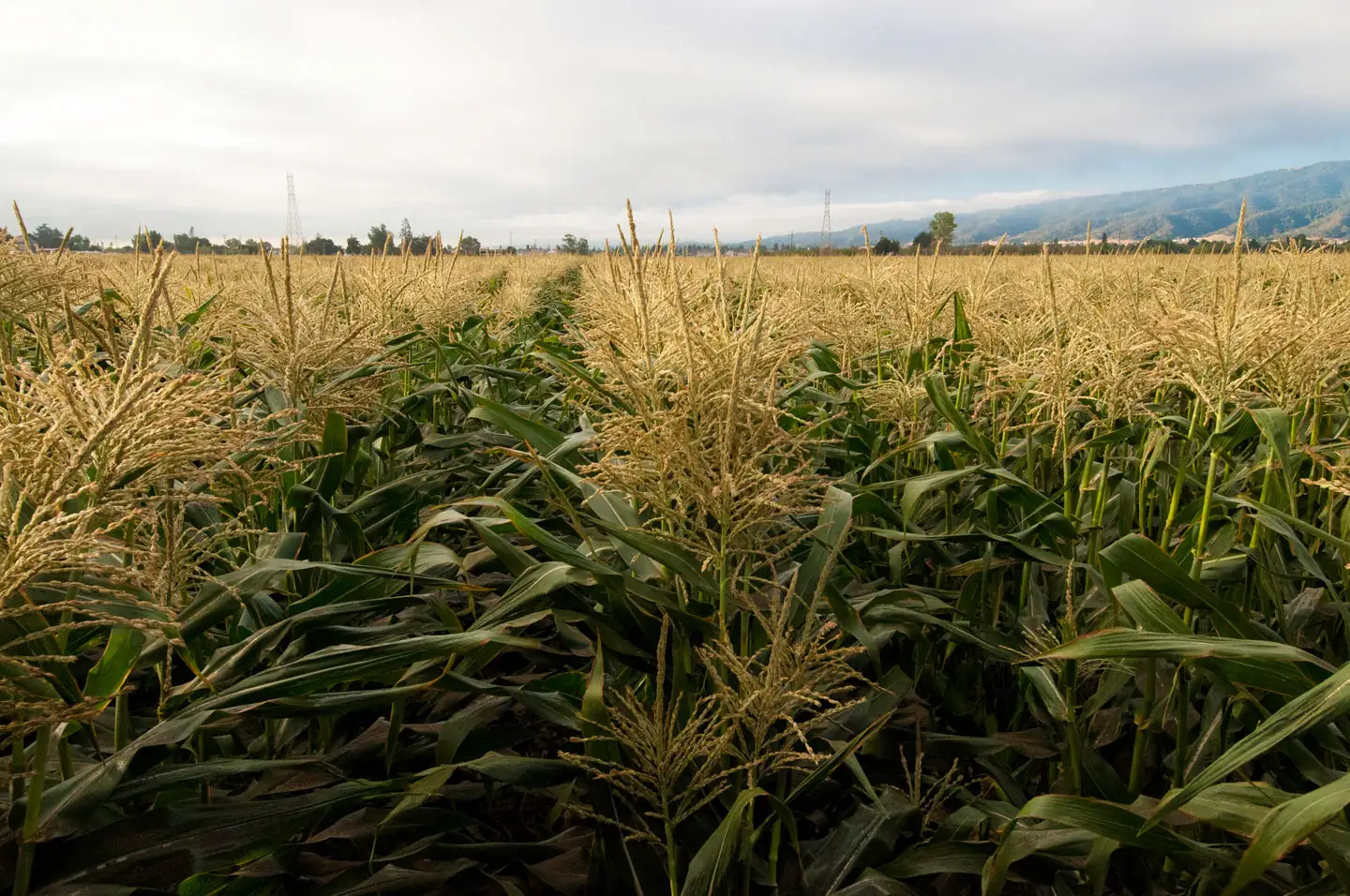
The most recent corn yield estimate for the 2017/18 crop year is 176.6 bushels per acre. This is better than a full bushel increase over the December estimate and is record high. However, harvested acres were reduced 400,000 acres so production was only increased about 25 million bushels. Feed use estimates were revised down 25 million bushels and food, seed, and industrial use was revised up 10 million bushels.
The result is that ending stocks were increased 40 million bushels to 2.477 billion bushels and this a stock-to-use ratio of 17.1 percent. Production related numbers are often revised going forward but the revisions tend to be modest and the action is now usually on the use or demand side for the remainder of the crop year. Stocks-to-use are a modest increase on the prior crop year and will likely hold corn costs in the mid-to-low $3 per bushel.
Hay production information reveals a tightening market for forage. All hay production was down 2.6 percent in 2017 as compared to 2016. The largest decreases were in states most impacted by dry weather last year, including Montana and the Dakotas, and there were substantial decreases in states with some of the largest production, including California and Texas.
Missouri and Nevada showed substantial increases out of higher production states. On-farm hay stocks as of Dec. 1 showed a 3 percent decline compared to the prior year and the state related information is similar. The hard, cold weather in the north and east U.S. and the warm dry weather in the southern and western U.S. will likely contribute to further declines and hay stocks and support hay prices through the rest of the winter.
What do the technical indicators for the feeder and fed cattle markets say? All liquid feeder and live cattle contracts show an oscillating weakness since the peak in early November. It looks as if downtrends have been established but some are a bit steep for my liking. There is support for the nearby contracts around $130 for feeder cattle and $110 for live cattle. But the current market is some distance from those levels. Anticipate seasonal weakness in feeder and live cattle contracts until March or April. — Dr. Stephen Koontz, Colorado State University professor of agricultural and resource economics