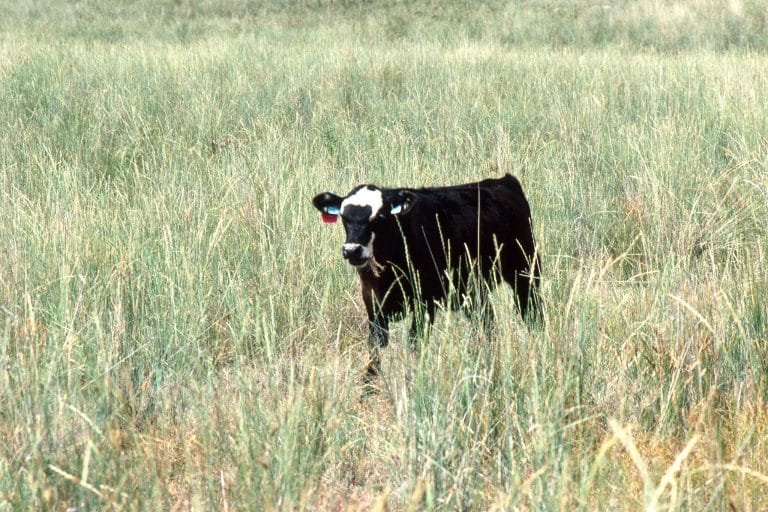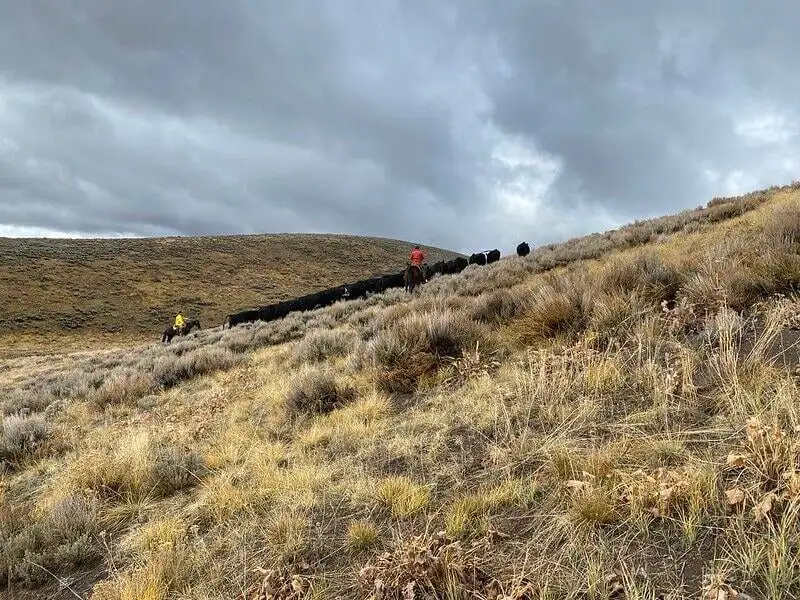
Rangeland scientists from USDA’s Agricultural Research Service (ARS) found in a study that strategically applied livestock grazing can have ecological benefits on sagebrush communities.
The findings published in the May 2024 edition of the journal Ecosphere found that livestock grazing has a wide range of benefits when applied strategically and managed effectively. From reducing wildfire risk and promoting biodiversity to enhancing resilience to climate change, grazing can be a valuable tool for conserving and restoring these vital ecosystems.
“There were concerns about the negative consequences of non-native livestock grazing in sagebrush communities, especially since these communities are experiencing unpreceded threats from invasive annual grasses, altered fire regimes, and climate change,” said Kirk Davies, ARS rangeland scientist and lead author of the study.
“But strategically applied grazing can spur desirable social-ecological outcomes such as reduced non-native annual grass invasion, decreased wildfire probability and spread, reduced fire suppression cost, and prevent undesirable ecological transformation post-fire,” Davies said.
One of the primary benefits of livestock grazing in sagebrush communities is its role in reducing the risk of catastrophic wildfires. Sagebrush ecosystems are highly susceptible to fire, especially with the increasing invasion of non-native annual grasses like cheatgrass, which can create a continuous and highly flammable fuel bed.
Strategic grazing can significantly alter various fine fuel characteristics. Grazing at moderate levels by cattle reduces the biomass, height and continuity of fine fuels. In areas dominated by invasive annual grasses, more intense grazing can further decrease these fine fuels, the study said. Additionally, grazing influences the moisture content of fine fuels by changing the ratio of live to dead vegetation in the following years.
Grazing can also influence fire behavior through its impact on fuel characteristics. Sagebrush steppe that is moderately grazed experiences shorter flame lengths, slower rates of spread and smaller burning fronts compared to ungrazed areas. In rangelands dominated by annual grasses, strategic grazing similarly reduces the flame length and the rate of spread. These grazing-induced changes to fire behavior led to safer and more effective fire suppression.
Additionally, livestock grazing can promote the biodiversity of plant species within the sagebrush community, the study said. Strategic grazing can be employed to encourage shrub recovery. While perennial herbaceous plants can resist annual grass invasion, they can also hinder shrub establishment. Cattle grazing tends to give less palatable shrubs, like sagebrush, a competitive edge over herbaceous vegetation by putting grazed plants at a disadvantage compared to ungrazed ones.
Moderate spring grazing in areas with sagebrush seedling transplants nearly doubled sagebrush growth and reproductive success compared to ungrazed areas. However, heavy spring grazing, though effective at boosting sagebrush, can negatively impact native herbaceous vegetation. While spring grazing can also help limit invasive annuals and create safe sites for native plants, the authors advise against repeated spring grazing, as it may harm other native bunchgrasses.
The study found off-season grazing, particularly in the fall or fall-winter, appears to be an effective strategy for reducing invasive annual grasses and potentially boosting perennial vegetation in communities with remaining native plants. Moderate fall-winter grazing by cattle in sagebrush-bunchgrass dominated steppe and post-wildfire reduced invasive annuals and increased native perennial bunchgrasses.
By reducing the biomass of invasive species, creating fuel breaks and promoting the growth of native vegetation, grazing can play a crucial role in maintaining the resilience and biodiversity of sagebrush ecosystems, ultimately benefiting wildlife communities.
“Recognizing livestock grazing as a tool that can achieve desired outcomes could improve our ability to achieve meaningful rangeland management outcomes in sagebrush and likely other rangeland communities,” Davies said. — Charles Wallace, WLJ contributing editor