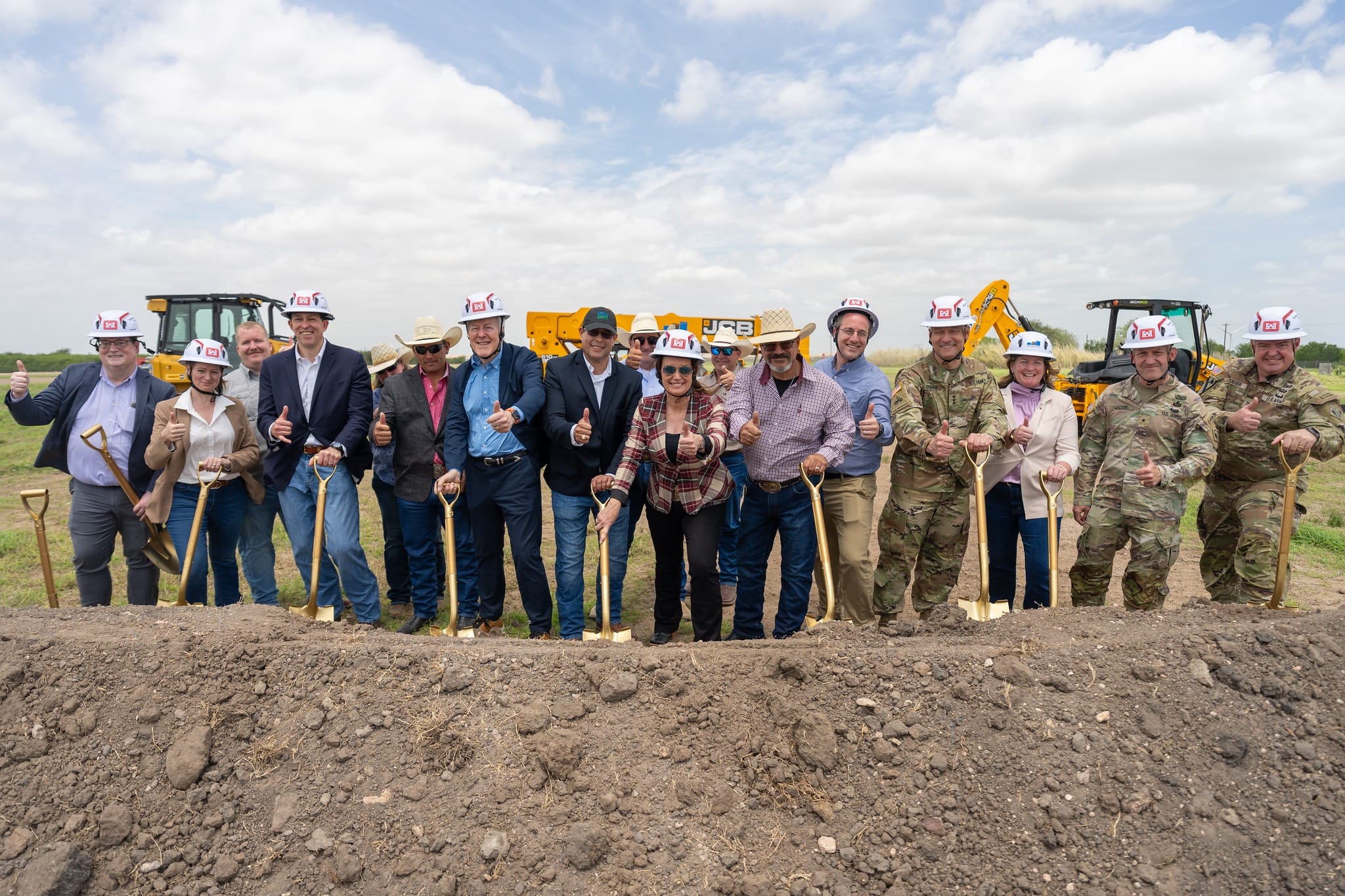
In another step to prevent the spread of the New World screwworm (NWS) into the U.S., USDA and the U.S. Army Corps of Engineers (USACE) officially broke ground on a domestic sterile fly production facility in Texas.
On April 17, federal and state officials led the groundbreaking for the new facility at Moore Air Base in Edinburg, TX.
“This puts NWS sterile fly production in American hands, so we do not have to rely on other countries for the best offensive measure to push screwworm away from our borders,” said Secretary of Agriculture Brooke Rollins.
Currently, USDA produces 100 million sterile flies per week in Panama at the Panama-United States Commission for the Eradication and Prevention of Screwworm Infestation in Livestock facility. The department has also invested $21 million to help modernize Mexico’s Metapa facility, which is expected to be operational this summer.
USDA and USACE partnered to build the domestic facility as part of the USDA’s five-pronged plan to combat NWS and prevent its spread into the U.S. USACE is providing the engineering, design, construction management and contract oversight for the project.
The new facility is expected to be at its initial operational capability by November 2027, reaching production of 100 million sterile flies per week. Full production is anticipated to scale production by the end of 2028 to 300 million sterile flies per week.
Releasing sterile flies is the primary method used to eradicate NWS. At production facilities, male flies are raised and sterilized before being released in targeted areas. Because female screwworm flies mate only one time, mating with sterile male flies results in eggs that do not hatch.
“Sterile insect technique, paired with surveillance, animal movement restrictions, and education and outreach, has been the foundation of successful screwworm eradication efforts for decades; USDA has defeated this pest before and using these proven methods, USDA will do so again,” USDA said.
NWS was eradicated from the U.S. in the 1960s by using sterile insect technology.
To date, there remain no NWS cases detected in the U.S. As of April 21, there were about 1,400 active NWS cases detected in animals in Mexico, with most cases located in central and southern Mexico. The closest case to the U.S. is about 100 miles away from the Texas border in Nuevo León, Mexico. USDA continues to disperse 100 million sterile insects per week in Mexico and will adjust its dispersal areas as needed.
The Texas Cattle Feeders Association (TCFA) engaged in the groundbreaking and also met with Rollins, Sen. John Cornyn (R-TX), USDA Under Secretary of Agriculture for Marketing and Regulatory Programs Dudley Hoskins and USDA Deputy Under Secretary of Agriculture for Marketing and Regulatory Programs Jeremy Witte.
“Breaking ground on a domestic sterile fly facility is another positive step toward preparing and protecting the U.S. from a New World screwworm outbreak,” said TCFA Chairman Laphe LaRoe. “This facility represents Secretary Rollins’, USDA (Animal and Plant Health Inspection Service’s) and the livestock industry’s commitment to combatting New World screwworm.”
The U.S. border has remained closed to livestock imports from Mexico since last summer. While there have been rumors about the border being reopened, no official move has been made. At a Texas & Southwestern Cattle Raisers Association meeting at the end of March, Rollins indicated that a decision to reopen the border to feeder cattle could be announced within the next few weeks, but as of April 23, no decision had been shared.
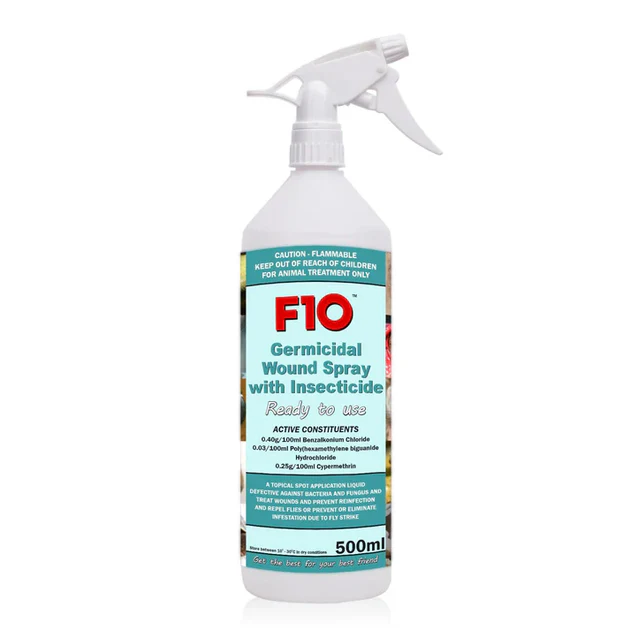
There are currently four NWS treatment options for cattle approved by the Food and Drug Administration: Dectomax-CA1, Exzolt Cattle-CA1, Ivomec 1% Injection and F10 Antiseptic Wound Spray with Insecticide. Dectomax-CA1 and Ivomec are injectable, Exzolt Cattle-CA1 is a topical solution and F10 Antiseptic Wound Spray is a topical spray.
For the most up-to-date information on active cases and NWS resources, visit screwworm.gov. — Anna Mille Fortozo, WLJ managing editor