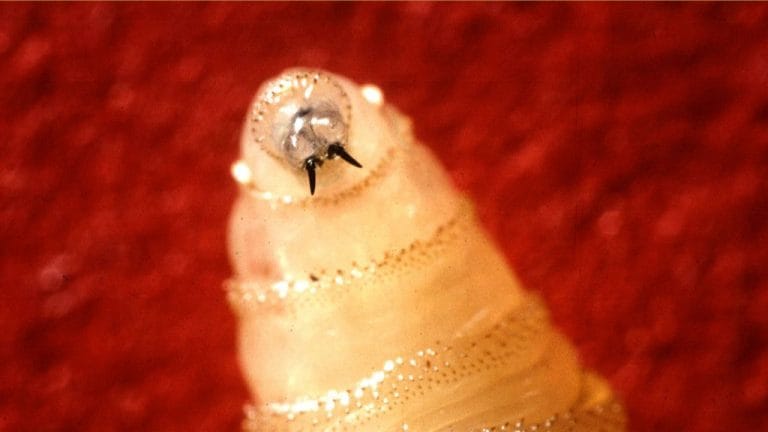
The USDA’s Animal and Plant Health Inspection Service recently confirmed a new case of New World screwworm (NWS) was found about 120 miles south of the Texas border in Montemorelos, Nuevo León, Mexico. The Food and Drug Administration (FDA) also conditionally approved a topical medication for the prevention and treatment of NWS infestations.
A 22-month-old bovine was confirmed positive after being transported from Veracruz to a feedlot in Nuevo León. The detection is the northernmost active case currently in Mexico, and the second detection at the same feedlot since October.
“We will keep working shoulder to shoulder with USDA, Mexican animal health authorities, and our own state agency partners to defend our border and Texans from this dangerous threat,” said Texas Agriculture Commissioner Sid Miller.
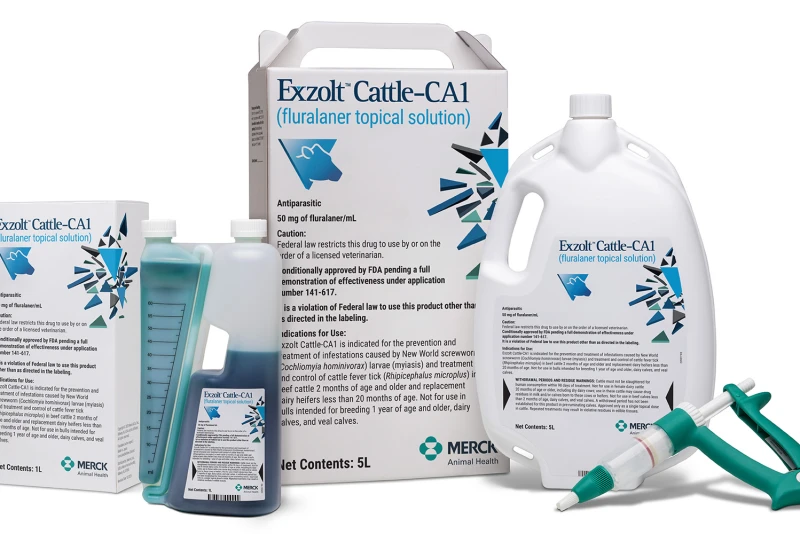
On Dec. 4, the FDA conditionally approved Exzolt Cattle-CA1 (fluralaner), a topical solution for the prevention and treatment of NWS larval infestations and the treatment and control of cattle fever tick. The drug is authorized for beef cattle 2 months of age and older and replacement dairy heifers less than 20 months of age. The product should not be used on lactating dairy cattle, dairy calves, veal calves or bulls at least 1 year old that are intended for breeding.
The sponsor, Intervet Inc. of Rahway, NJ, has up to five years to generate the additional effectiveness data needed to support a full FDA approval.
The topical is available by prescription only and dispensed in 250-milliliter, 1-liter and 5-liter bottles. The product is applied directly to the hair and skin in a narrow strip from the top of an animal’s back from between the shoulder blades to the base of the tail. The slaughter withdrawal period is 98 days. — Anna Miller Fortozo, WLJ managing editor