This new, exclusive column found only in WLJ features unique perspectives from some of the nation’s top producers, marketers, animal health experts, economists and more.
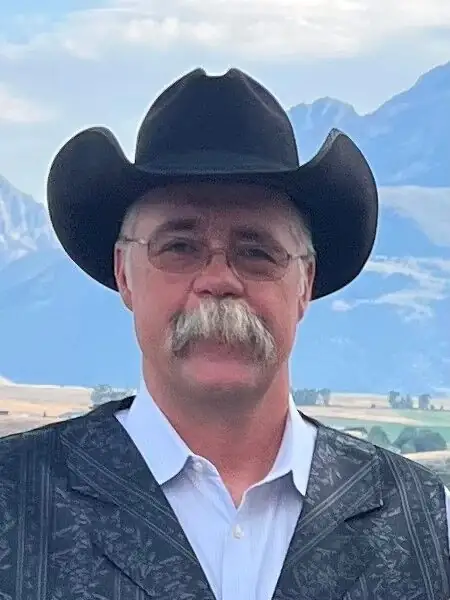
Darrell Stevenson has a unique viewpoint of the Angus breed. Darrell was born into the breed, which he says he is grateful for and doesn’t take for granted. When he was born, Stevenson Angus already had their ninth annual production bull sale. He also saw the first Montana Angus Tour in 1974 when the Angus breed “was simply trying to establish themselves in the marketplace.”
“At this time, the production sector was in critical need of improved maternal function and more predictable traits,” Darrell told WLJ. “Angus responded and gained producer confidence by evolving its performance testing methods into data-based EPDs. Simultaneously, the American consumer was openly demanding improved consistency with all beef, henceforth the establishment of the first and now largest branded beef program in the world, Certified Angus Beef (CAB).”
In 2004, Stevenson Angus and industry-leading breeders formed ORIgen Beef, a state-of-the-art bull collection facility south of Billings, MT. Darrell has served on the board of directors since 2001. From 2007-2017, Darrell partnered with a couple of Russian businessmen to form a venture partnership between the two countries as the demand for Angus cattle expanded in areas that are not traditionally considered Angus territory.
“Like many emerging beef-producing countries, they were swirling with interest and questions about which breed to focus upon,” Darrell said. “After spending most of a decade exporting live and frozen genetics to eastern Europe and central Asia, their herds are today dominatingly black.”
Darrell noted that consumer acceptance in Russia was overwhelming, and today, the two largest-producing meat companies in Russia, Miratorg and Zarechnoe, are both marketing their own Angus product.
Foreign demand for the Angus breed has also grown into Brazil. While the primary breed is Nelore cattle due to their ability to adapt to the heat and insects of the Brazilian climate, the impact of creating an F1 Angus X Nelore has improved the marketplace, he said. As a result, the breed has exploded. “All indications point to a continuing surge for Angus genetics in Brazil,” Darrell said.
Demand has not only exploded internationally, but CAB continues to expand and grow, Darrell said. In 2021, CAB had over $182 million in premiums paid to producers. Darrell acclaimed that only 37 percent of all qualified cattle were accepted as CAB. Today, there is more CAB produced than USDA Select.
“This singularly emphasizes the trend of demand and improved product quality,” Darrell said. “This is totally attributed to the accuracy and predictability of a registered Angus bull. With a database that is backed by 80 million data points, we can do more with these cattle today than ever before in history. We can make a better cow, get them to harvest faster, grade better and capture those elusive premiums. My advice is to demand predictability; the generations of data and genomics offered by registered Angus bulls create value and are literally second to none.”
Darrell pointed to another side of the Angus story outside of conversations: the use of Angus genetics for breeding dairy cows.
“As terminal crosses, the most progressive dairy breeders have come to realize that the optimum mating for performance, days on feed, ability to grade and opportunity to capture a premium while servicing the growing CAB label is with registered Angus influence,” Darrell said. “This wasn’t necessarily always the case, but to me, it’s been pointed out several times that this is due to the rapid progression of the modern Angus genetics backed with the genomics and database that has advanced the value of the breed and its registration paper.”
Darrell has a varied view of the future of the industry. He is concerned about vertical integration and keeping the family operation in the family. Darrell said producers have to be more efficient by managing inputs, improving value and showing more profit, thereby creating opportunities for the next generation.
“I once heard, ‘We didn’t inherit this land from our ancestors, but more importantly, we are borrowing it from our descendants.’ We all better take this to heart—otherwise, corporate money and the top 1 percenters will consume this lifestyle and way of life,” Darrell said.
On a positive note, Darrell said the industry is about to experience the best times.
“We are going to see fireworks,” he said. “Cattle on feed, declining cow herd inventory and heifer retention all point to an aggressively shifting marketplace. This will be good for the cow-calf producer and especially those with superior genetics and program type marketing options. Manage your inputs, get more efficient and manage debt while you can. Surround yourself with inventory, cattle that can create value and position yourself for the marketplace.”
Darrell and his wife, Sara, have been married 27 years. Together, they recently expanded to White Sulphur Springs, MT, to establish Stevenson Down T Angus and market bulls with Stevenson Angus. The Stevensons have two children. Their son, C.J., graduated from Montana State University and is currently serving with the U.S. Army in the Special Operations Forces, and their daughter, Claire, is starting her fourth year at California Polytechnic State University. — Charles Wallace, WLJ editor