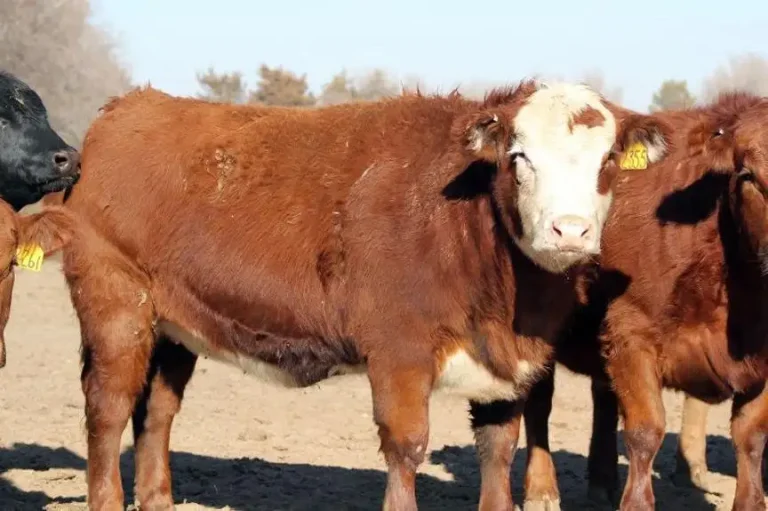
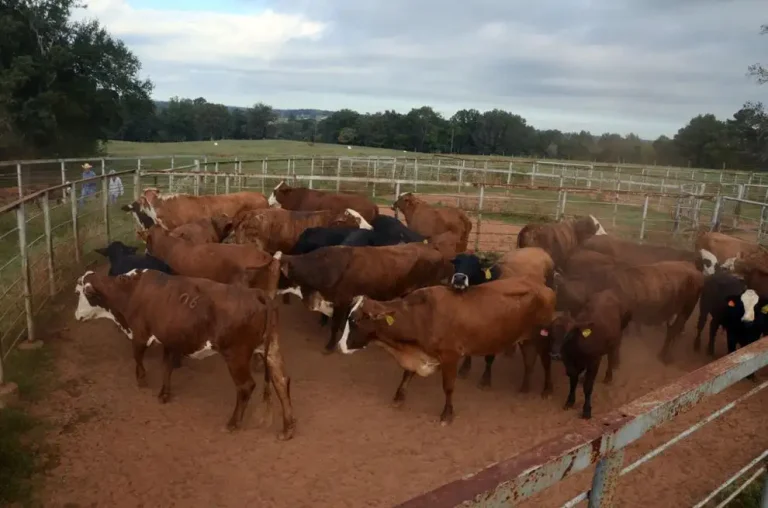
There’s nothing more refreshing than an ice-cold drink of water after spending time in the Kansas heat in August. According to Kansas State (K-State) University beef cattle experts, cattle feel the same—and clean water is the most critical nutrient for the animals’ health and performance.
“Water is the most important nutrient that animals are going to get, and they have to have enough of it,” K-State veterinarian Scott Fritz said.
While many producers might assume all water is created equal, experts warn that not all sources are suitable for livestock. They note that total dissolved solids, nitrate and sulfate levels and pH (acidity) can significantly impact animal health and productivity.
“Cattle nearly double their water intake (when temperatures rise) from 40 F to 90 F,” Fritz said. “This increase underscores the importance of understanding water capacity and quality, especially during intense summer heat.”
Wells and ponds present different challenges.
“We’ve seen wells that were normal for 10 years, then all of a sudden the water contains as much sodium as sea water,” Fritz said.
Key factors ranchers should monitor include total dissolved solids—which should stay under 3,000 parts per million—as well as sulfate and nitrate concentrations. The veterinarians noted that water hardness typically has minimal impact on livestock.
Fritz and others agreed it’s good practice to test water sources periodically, particularly after drilling a new well or during significant seasonal changes. The goal is ensuring livestock have access to clean, abundant water that supports their health and productivity. — K-State Research and Extension