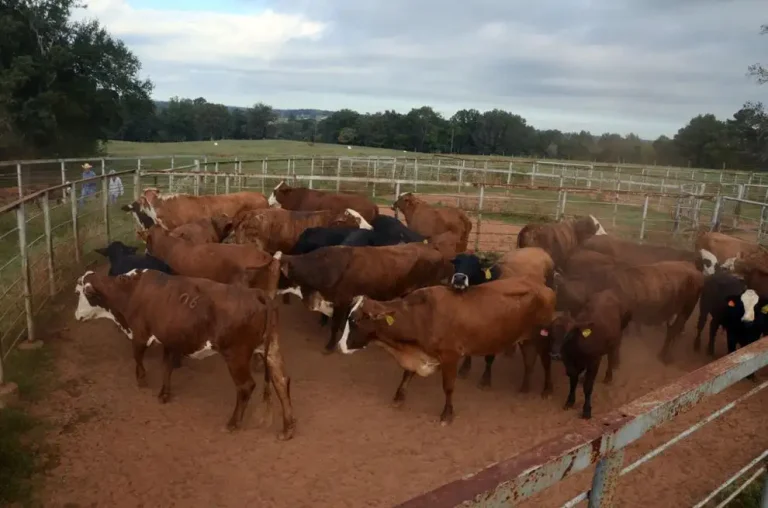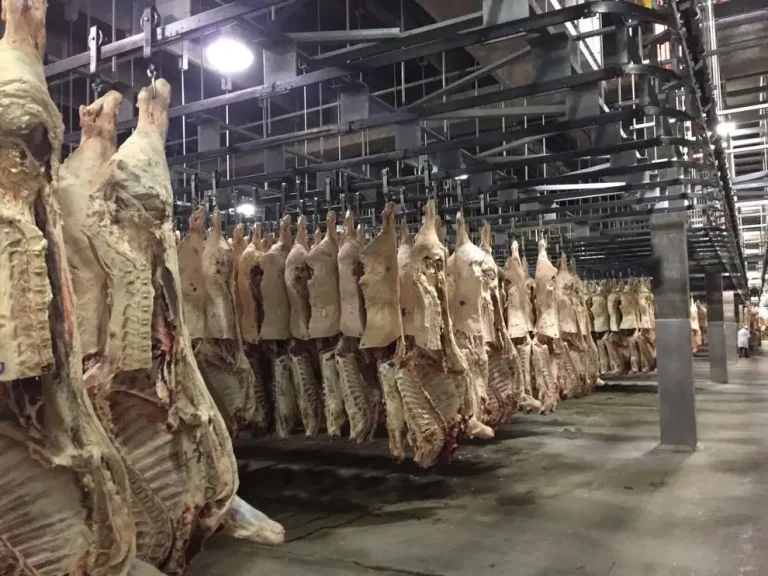
Cull cows represent approximately 20 percent of the gross income of any commercial cow operation. Cull beef cows represent 10 percent of the beef that is consumed in the United States. The most recent Market Cow and Bull Audit has shown that the beef industry has made significant improvements in proper cow culling over the past 20 years. Nonetheless, ranchers need to make certain that cow culling continues to be done properly and profitably. Selling cull cows when they will return the most income to the rancher requires knowledge about cull cow health and body condition. Proper cow culling will reduce the chance that a cow carcass is condemned at the packing plant and becomes a money drain for the entire beef industry.
Is she good for another year? At cow culling time, producers often face some tough decisions. Optimum culling of the herd seems to require a sharp crystal ball that could see into the future. Will she keep enough body condition through the winter to rebreed next year? How old is the cow? Is her mouth sound so that she can harvest forage and be nutritionally strong enough to reproduce and raise a big calf? At what age do cows usually start to become less productive?
There is great variability in the longevity of beef cows. Records kept by a large cattle operation of Florida in the 1980s show how productivity changes over the life of the beef cows. These large data sets (19,500 cows, and 14,000 cows in two separate years) compared the average percentage of cows determined to be pregnant based on their age in years.
This data would indicate that cows are consistent in the rebreeding performance through about 8 years of age. A small decline was noted as cows aged from 8 to 10 years of age. However, the most consistent decline in reproductive performance was noted after cows were 10 years of age. A steeper decline in reproductive performance was found as they became 12 years of age. In other words, start to watch for reasons to cull a cow at about age 8. By the time she is 10, look at her very closely and consider culling; as she reaches her 12th year, plan to cull her before she gets health problems or in very poor body condition. — Glenn Selk, Oklahoma State University emeritus extension animal scientist