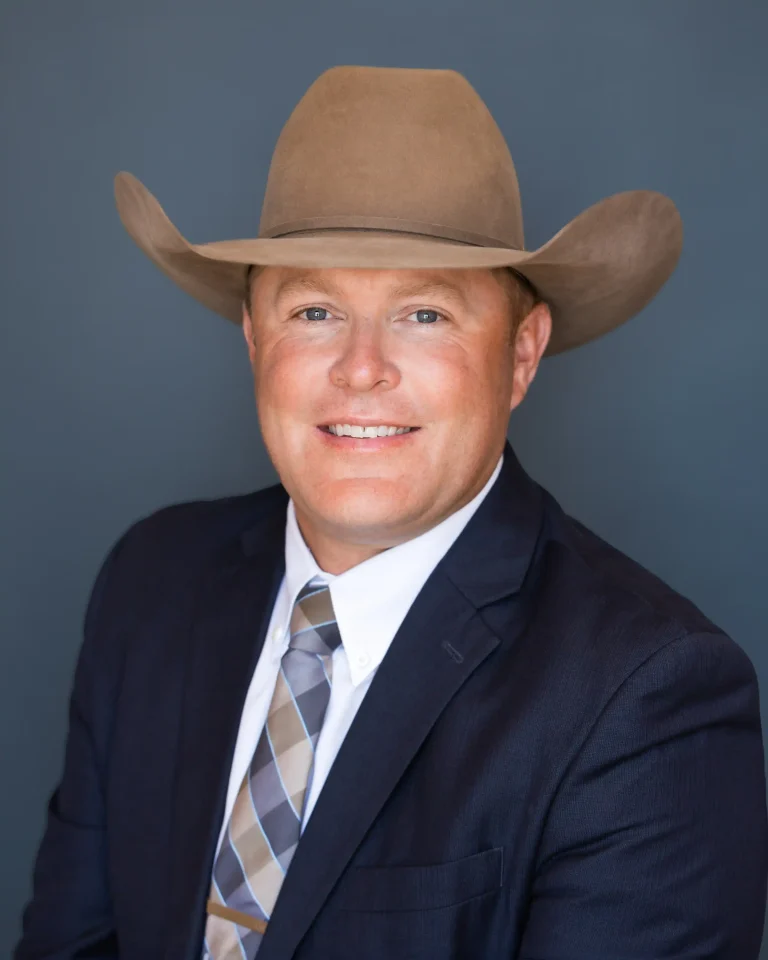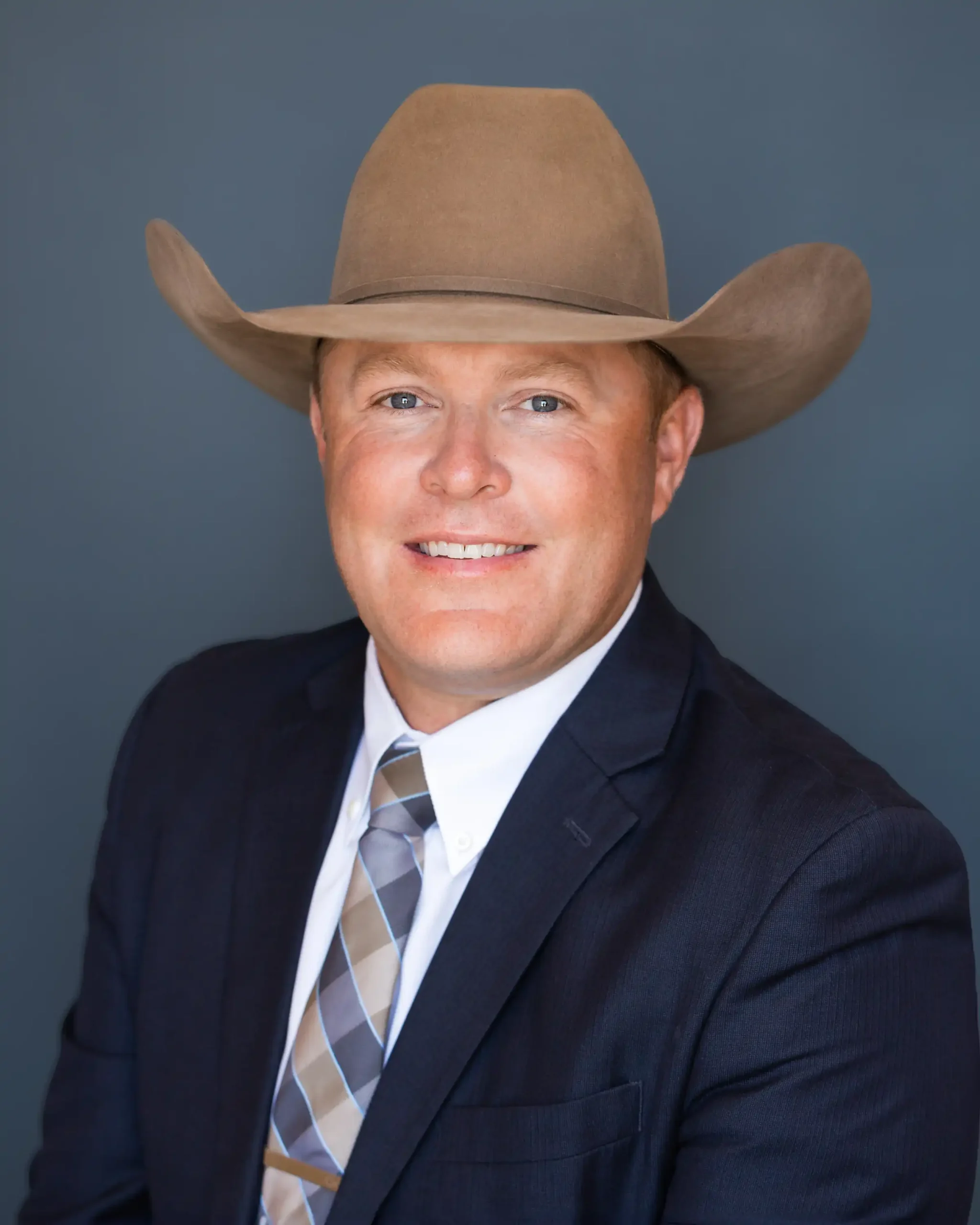
Growing up on a cow-calf operation in the deep corner of southeast Idaho, I had no idea where my career path would take me. The teenage me didn’t see that someday I’d be running the publication my grandfather read like the bible. I didn’t have the foresight to see that I would cross paths with legendary cattlemen, expert marketers or converse with the most prestigious researchers in the world. I didn’t know I would be on the most beautiful ranches in the U.S., studying what worked for some and what didn’t work for others. Quite simply, I’ve been more fortunate than I deserve.
The interview that changed my life happened in Saint Joseph, MO, at the American Angus Association in the spring of 2007. I thought I bombed it. Really bombed it. They must have seen something that I didn’t, and I was given the opportunity to serve the ranchers and Angus breeders in the Southwest territory for the first five years of my career before making the move to Western Livestock Journal in 2012. This has given me a unique perspective on today’s issues that the beef industry is dealing with.
My career has been that of education, experience and hard work. I’ve been blessed with a supportive wife and three kids that I don’t know how to love any more than I do, but each day surprises me because there’s always more to give. That’s my drive. I’ve never claimed to know more than someone else nor have I ever tried to cut someone else down whom I disagreed with. To me, there’s no room for that in this business and there’s too many people who want to see agriculture go away. Separation from within only speeds that process up.
I’ve been fortunate to build a cow-calf operation of my own. Using techniques, designs and management ideas from what I’ve seen at other operations, I’m proud of our herd, our horses and our operation. We also strive to give back as much as we can—to church, to community and to the right causes. It’s a lot, but I wouldn’t change any of it.
“What a privilege it is to be exhausted by the work you once dreamed of.” (Author unknown). I know many of you feel that same way, even on the bad days. It’s been an exhaustive pattern of ups and down since the whiplash of 2015, and those of us still here know exactly what I’m talking about, but these days are worth it—every one of them.
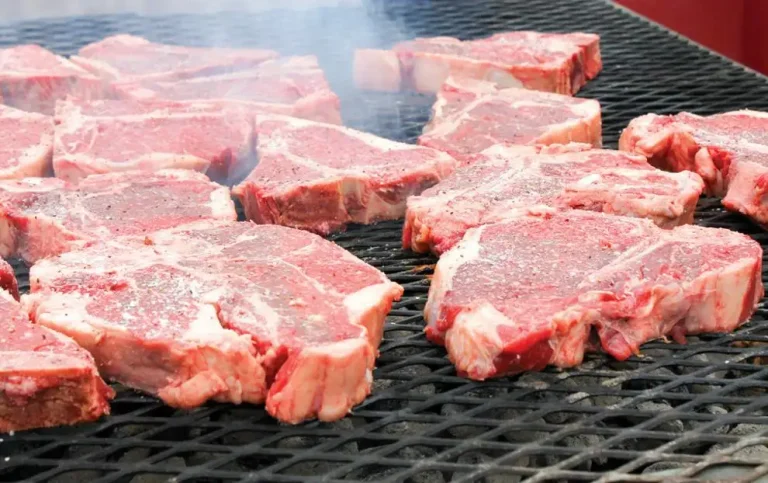
This week is the start of National Beef Month, and after the exhaustion we all feel after a winter that threw us all for a loop—cold, heat, fires, drought, literally everything—it’s great to see spring setting in. Growing up, I loved fall. I loved fat calves coming off the mountain, sunrise gathers, fall herd work, and of course, football. Now that I’m in charge of the bills, I love spring! I love turning cows out to grass and getting them off the feed bill!
April’s Cattle on Feed report gave a glimpse of what we might see going into the grilling season. Down 1% on inventory, down 7% on placements and down 6% on marketings. There isn’t a surprise here. Operations are changing their management this year, and market signals look great. Cash markets across the country have rebounded and are hitting new heights once again. There’s still time in this high market barring any non-fundamental shakeup.
Trends from the last couple of years continue. According to the CAB Insider, steer carcass weights are up 36 pounds over last year. Meaning that the added pounds with each carcass today will add enough weight to make up a missing carcass every 26 steers. On rough math, that equates to over 4,000 head that is made up for each week through missing inventory from last year’s numbers. This has helped fed cattle prices remain fairly steady from week to week this spring, even though new record highs have been seen amid packing plant turmoil with shutdowns and strikes mixed in. The cash markets are resilient when head counts are this low.
In the South and far West, bred female sales have continued to set new records. For example, Randy and Beth Baxley’s sale barn in Visalia, CA, held a female sale mid-April where 4-5-month bred heifers were bringing $4,700-5,100 consistently and bred cows were close to those numbers in all ranges. Some special female sales in Texas have seen F1s bringing north of $6,000. Market reports throughout the country have seen pairs bringing $5,500-7,000. Cattlemen are trying to restock, but those females won’t be impacting the system anytime soon.
The optimism is there, and it’s here to stay for the time being. The sky isn’t always falling, and my platform isn’t meant to suggest that it is. In my view, sound minds armed with accurate information is how we navigate the next few years. At the same time, WLJ remains committed to delivering unbiased information that you decipher what to do with. God bless green grass, fat cows and a healthy calf crop to market this summer and fall! — LOGAN IPSEN