The live cattle market so far this year has defied forecasts that an increase in market-ready supplies would begin in mid-March and force cash prices lower. Prices did in fact go lower the week before last and were likely lower again last week. But this was more a function of hedgers taking advantage of a positive basis than any increase in supplies.
The key question for hedgers going forward is how to continue to take advantage of the basis but not sell cattle too cheaply. As analysts pointed out last week, they should reject any bids for May delivery at less than $7 per cwt over the June live cattle contract. As our friend Andrew Gottschalk noted, cash prices in May last year averaged $10 per cwt over the June contract.
All cattle feeders must be mindful of selling cattle as aggressively as possible though because supplies will increase significantly as spring moves into summer. Analysts continue to warn that the extreme front-end supply (cattle on feed 150 days or more) projects to be record high on Aug. 1. But for marketing rates to increase, packers must start processing more steers and heifers and be able to sell all the beef they produce.
The key to doing this is beef demand, as it always is. In this regard, there’s cautious optimism that consumers at home and abroad are already playing their part and will continue to do so into the summer. Export beef sales have gotten off to a great start this year and domestic beef sales and demand remain better than expected. An early Easter this year (today is Easter Monday) sometimes gives beef sales an early spring boost as well, although Easter is likely not as much of a factor as it used to be.
What could be a real game-changer this year is the increased level of competition between grocery chains to keep customers and attract new ones. Retail beef sales and demand are already benefitting from the most intense competition between chains in many years. Retailers for a long time have used beef to attract customers to their stores, giving rise to the phrase that beef was “King of the Meat Case.” Beef’s pull diminished somewhat after the 2009 recession, but retailers are once again using beef as their main draw card to get people into their stores. They are also battling to keep customers from buying more food online, such as through Amazon/Whole Foods and meal kit companies, and at restaurants.
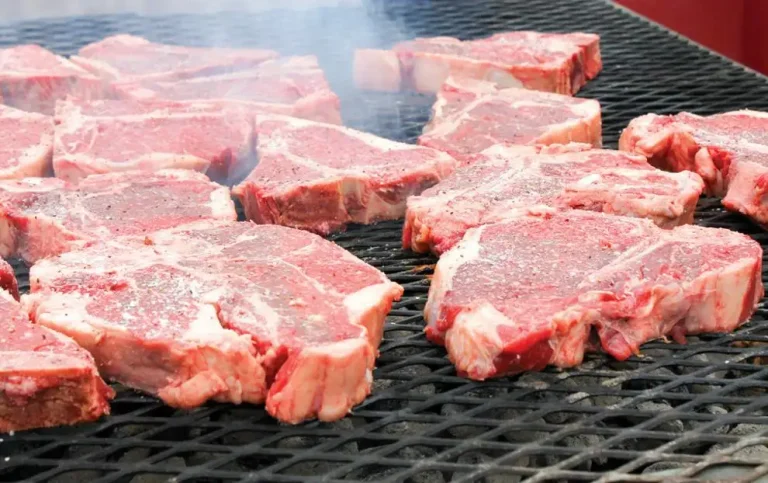
The Denver area in Colorado is seeing intense competition between major chains, says Jim Robb, director of the Livestock Marketing Information Center. The chains include Safeway and Kroger. They and other chains have heavily featured beef in their weekly fliers for the past month or so, he says. Features even in mid-March included Choice bone-in T-bone steaks and Choice New York bone-in steaks at $4.67 per pound. One chain featured 80 percent lean ground beef at $1.89 per pound. Retailers are using beef in an aggressive battle for customers, he says. They’re also offering more meal packs for single people to families as part of a strategy to lure more customers who might otherwise eat out at a restaurant, says Robb.
Beef demand is robust as a result of all this, especially as chains have lowered their beef prices, says Robb. In addition, consumers increasingly regard beef as the highest quality meat and pork of lesser quality, especially pork loin cuts. Retail chains are also using technology to attract customers. Kroger has an app that tells you that if you’re running low on beef, come to a Kroger store because it has some great beef features, he says. In other words, retailers are using technology to attract more customers to their meat cases.
This fits in with a key trend identified in the 2018 Power of Meat report unveiled in February. This annual report is a vital tool for the beef industry to closely track what consumers are doing, thinking and wanting. Americans’ food needs and wishes are changing significantly, and the U.S. meat industry needs to understand new trends to continue to deliver what consumers want, says the report.
The theme of change sums up 10 key trends identified in the report. Meat is big, lucrative and growing but “one size fits all” must make room for “one size fits one,” it says. Competitive forces, demographic shifts, and mega-trends such as technology, convenience, health and wellness, and transparency are reshaping the food retail industry. The meat category, from trip planning to consumption, is changing along with it. Meat can remain a crucial area for driving customer loyalty and competitive advantages by addressing the various population groups’ increasingly different approaches to meat through targeted advertising, marketing, and merchandising, it says. — Steve Kay