Heat stress in cattle can negatively affect herd health, growth and reproduction. As temperatures increase, Texas A&M AgriLife Extension Service experts explain what causes heat stress and how to lower the risk.
Two AgriLife Extension beef cattle specialists in the Texas A&M Department of Animal Science, Jason Smith, Ph.D., associate professor at the Texas A&M AgriLife High Plains Research and Extension Center at Canyon, and Ron Gill, Ph.D., professor, Chico, said understanding how environment, genetics and management activities interact can help producers protect their herds and maintain productivity during the hottest months.
What causes heat stress? Heat stress occurs when cattle generate and absorb more heat than they can release, affecting their growth, reproduction and overall performance if not managed effectively.
Several factors influence heat stress, including:
• Temperature.
• Humidity.
• Air movement.
• Shade availability.
• Water availability.
• Management practices.
• Genetics.
Humidity is especially impactful because it slows an animal’s ability to release heat.
Heat stress varies by region in Texas
While parts of Texas regularly experience extreme heat, conditions vary widely across the state, affecting how cattle respond and how producers should prepare.
In the Texas Panhandle, cattle often face high daytime temperatures. However, lower humidity, steady airflow and cooler nights help reduce overall stress.
In contrast, the southern and eastern parts of the state have higher humidity, making it more difficult for cattle to cool down. Without relief at night, heat stress can build over several days and increase health risks.
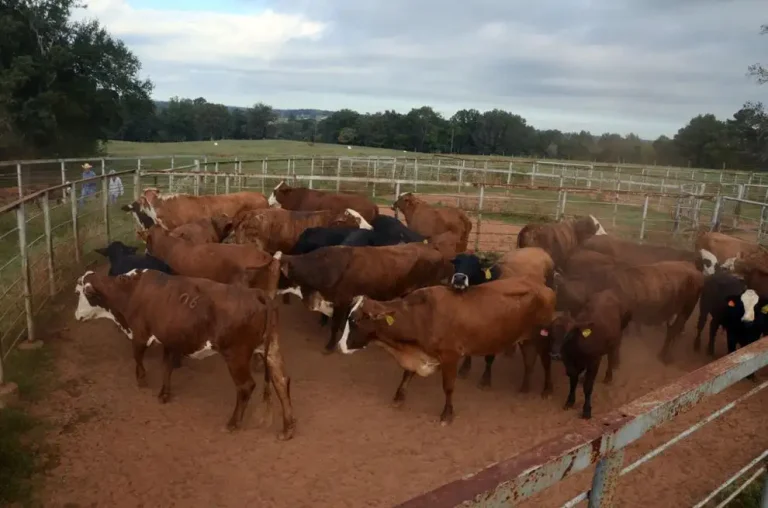
Cattle benefit from open areas or higher ground where breezes can move through and help them cool down. When cattle are grouped too closely in pens or trailers, they create additional heat and humidity, increasing the risk for heat stress.
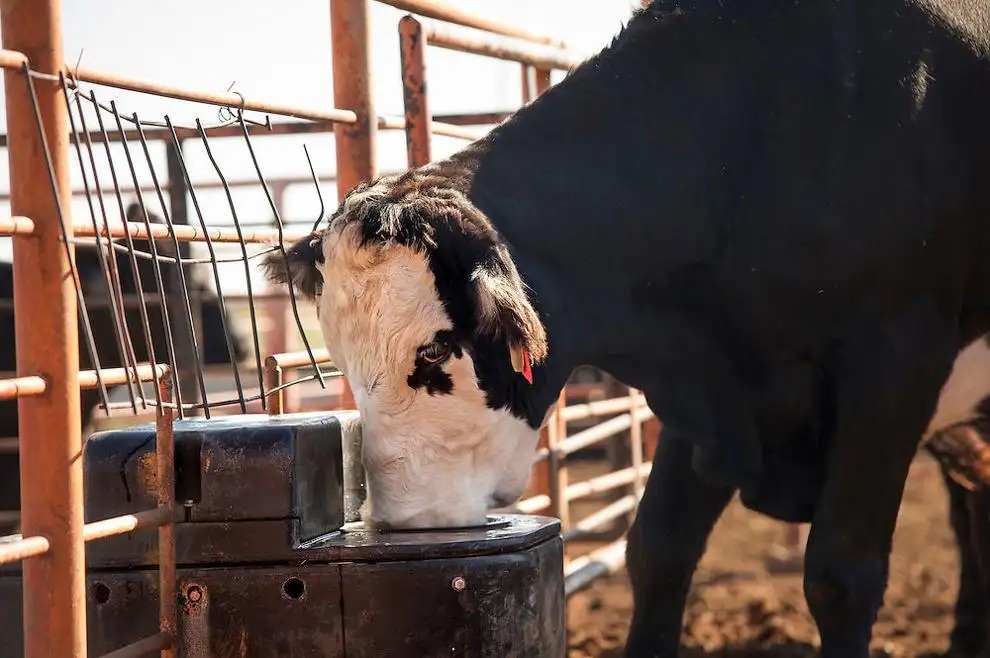
Providing plenty of clean, fresh water is one of the best ways to prevent heat stress. During extreme heat, cattle drink more water to regulate body temperature. If water is limited, the risk of severe stress—and even death—rises quickly.
Young calves are especially vulnerable. In their first weeks, they may not drink enough water to help cool themselves.
How much water do cattle need? Cattle will consume around 1 gallon of water per 100 pounds of body weight during cold weather. Consumption may increase to nearly 2 gallons of water per 100 lbs. of body weight during the hottest weather. Lactating cows require nearly twice as much water as non-lactating cows.
Shade also helps keep cattle cooler by limiting sun exposure, especially in regions with higher humidity.
Which cattle tolerate heat the best? Some cattle tolerate heat better than others. It’s all in the genetics.
Breeds with Brahman influence generally handle heat better because they are adapted to tropical environments. Other breeds more commonly found in temperate climates may need more management during hot weather.
Over time, producers can improve herd resilience by selecting cattle that perform well under heat stress.
The cattle most at risk for heat stress include:
• Young calves.
• Heavier animals.
• Sick cattle.
These animals may struggle to release body heat and need closer monitoring during extreme conditions.
When and how cattle are handled can significantly affect heat stress, as well. Producers can reduce risk by planning around weather conditions and avoiding multiple stressors at once.
Use the Temperature Humidity Index, THI, to determine when cattle may be at a greater risk and adjust management activities accordingly. Get localized and real-time THI on the ThermalAid website, elancothermalaid.com.
The experts also recommend:
• Working cattle early in the morning or later in the evening.
• Avoiding handling during peak heat hours to limit stress.
• Watching for signs of severe heat stress, such as open-mouth breathing, which requires immediate attention.
• Providing access to water in holding pens and when moving cattle.
These simple steps can make a significant difference in protecting cattle health and maintaining production, they said. — Texas A&M AgriLife Extension