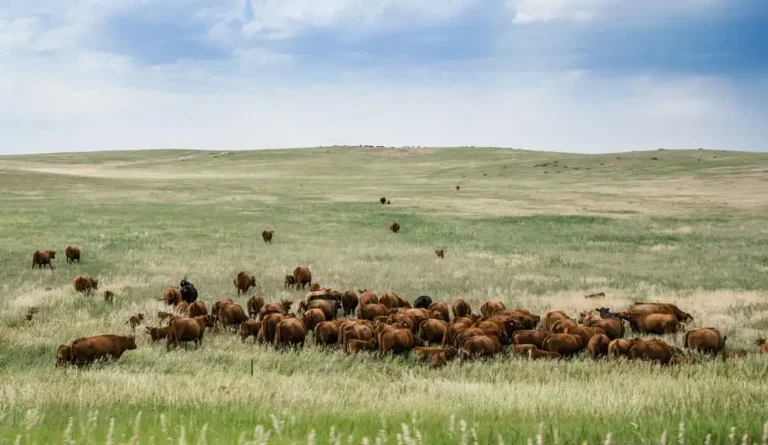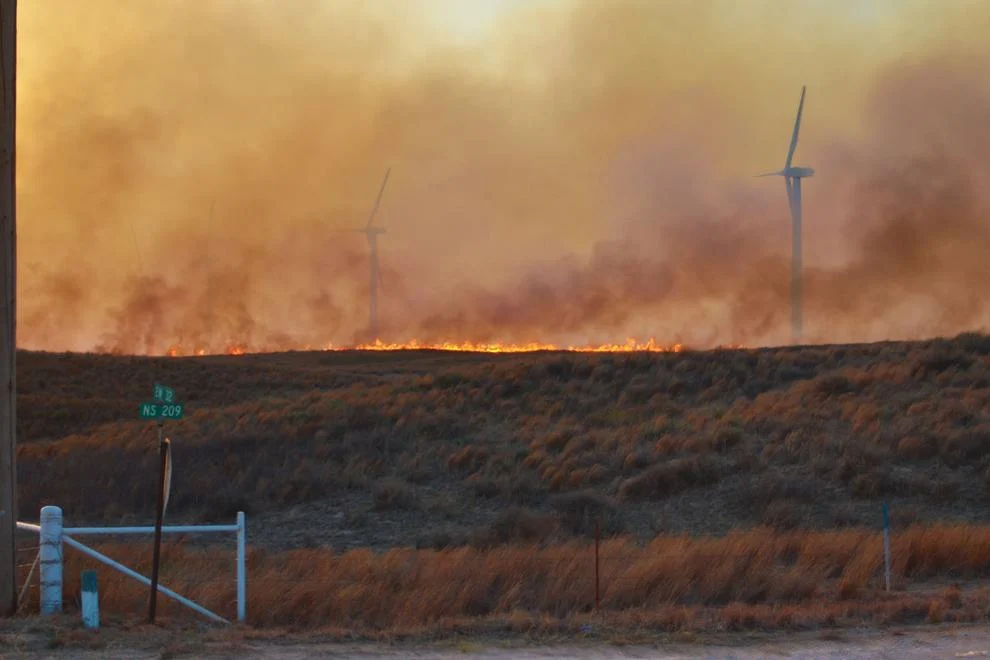
There have been several wildfires this spring that have affected range and pasturelands across Nebraska and that threat will continue until we have new, green grass growth later this spring. Although the immediate aftermath of a fast-moving fire can look quite devastating, the perennial pasture grasses are resilient and will recover, especially since they are still dormant.
On sandy soils, one of the key impacts of a wildfire is the loss of plant residue and litter that protects the soil surface. This residue is important for reducing wind and water erosion and the loss of soil moisture.
An important grazing management recommendation following a wildfire is to delay turnout, possibly as long as one month, but this can be adjusted depending on rainfall. This simply allows grasses to accumulate more grow before being exposed to grazing.
Secondly, stocking rates should be reduced with the objective of leaving adequate residue, which will become litter on the ground. This is to replace what was lost in the fire. Rainfall in May and June will be most critical and should be the guiding factor affecting any of the above management decisions.
Confounding any grazing management plans we might have are the fences that may have been significantly damaged. Additionally, there are pastures that may have been only partially burned. On a pasture that has been partially burned, it is known that cattle will prefer to graze the burned portion resulting in much heavier grazing on that area compared to the unburned portion. Temporary fencing to exclude burned areas early in the season may be a solution but is often impractical.
It is not uncommon to see a greater number of annual weeds show up in a pasture after a fire. While this may look concerning, these weeds can be useful and have some forage value or will turn into residue and cover at the end of the season. — Jerry Volesky, Nebraska Extension