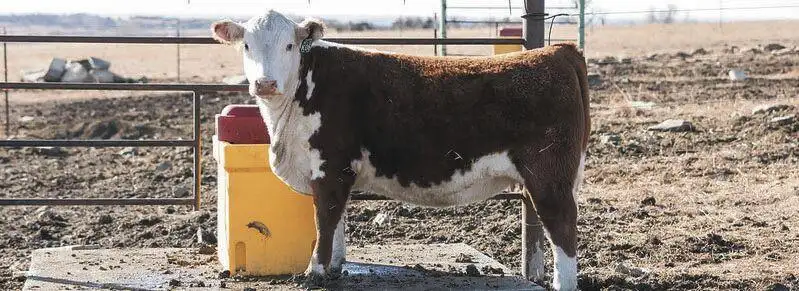
One of the most economically significant decisions we make in a cow-calf operation is that of which heifers we select to develop as replacements.
Replacement heifer selection and breeding decisions are challenging and impactful. The development of replacement heifers comes at a cost of both time and money. Replacement heifers selected this fall (from our spring-born calves) are 24 months from returning on this investment. The current value at which heifers could be marketed now is lost for the opportunity to be developed as a cow. The next two years to properly develop, grow, breed, calve-out and get the heifer to promptly breed back will require additional feedstuffs, prudent nutritional decisions and labor.
How do we hedge our bets to increase the accuracy of replacement heifer selection?
Genomic testing informs decisions on replacement heifer selection by predicting genetic merit and lifetime productivity. This information can be obtained early in life to provide genetic values beyond what can be surmised from visual appraisal alone. For example, genomic testing results in:
• Genetic values for hard-to-measure (unseen) traits expressed later in life, such as fertility, pregnancy rates, teat and udder conformation, calving ease, milk production, longevity, feed efficiency and carcass merit.
• Economic indices combining genetic values for multiple traits into single, easy-to-use scores tailored to your herd’s specific goals.
• Cost savings. With input expenses on the rise, the realistic cost of developing a replacement heifer is $2,000 or more. Early DNA screening (costing about $15-40 per animal, available from multiple sources) provides actionable information to be used in keep/cull decisions on young heifers prior to sinking time and feed into their development.
• Confirmation of parentage and breed composition, allowing you to better manage mating decisions.
Implementation begins with sample collection. Ear tissue or blood samples from heifer calves can be collected at birth or anytime thereafter. Submit the tissue to a service provider to obtain genomic EPDs and economic indices. Combine this genetic information with traditional visual appraisal in your decision making.
Solving the mystery of which heifer calves hold the most genetic potential to become productive cows now, as opposed to later, offers a greater return from your resources. Genomic testing of commercial heifers serves as a readily available and cost effective means of improving the lifetime productivity of your cow herd. — Mark Z. Johnson, Oklahoma State University Extension beef cattle breeding specialist