
The Food and Drug Administration (FDA) joined the food regulatory agencies of Australia, New Zealand, and Canada in approving the genetically-modified Golden Rice crop for consumption on May 24. The crop—modified to produce vitamin A, not something rice naturally does—has become something of a mascot for the potential value of genetically-modified organisms (GMOs) in the food chain. Rice is a staple food for over half of the world’s population, particularly poor rural communities in Asian and African countries. This leads to many people being vitamin A deficient. In its extreme, vitamin A deficiency leads to blindness and death. Children in developing nations where rice is a stable crop are particularly at risk. The Golden Rice project dates back to 1982, with the first product being developed in 1999. Since then, many environmentalist groups opposed to GMOs, particularly Greenpeace, have been aggressively hostile to Golden Rice, despite its potential to alleviate avoidable blindness and death in millions of people around the world. “Each regulatory application that Golden Rice completes with national regulatory agencies takes us one step closer to bringing Golden Rice to the people who need it the most,” said Matthew Morell, director general of the International Rice Research Institute. “The rigorous safety standards observed by the U.S. FDA and other agencies provide a model for decision-making in all countries wishing to reap the benefits of Golden Rice.” — WLJ
Advertisement
Food and Drug Administration approves genetically-modified Golden Rice crop

FDA logo
Share this article
Keep reading
Related stories


Beef
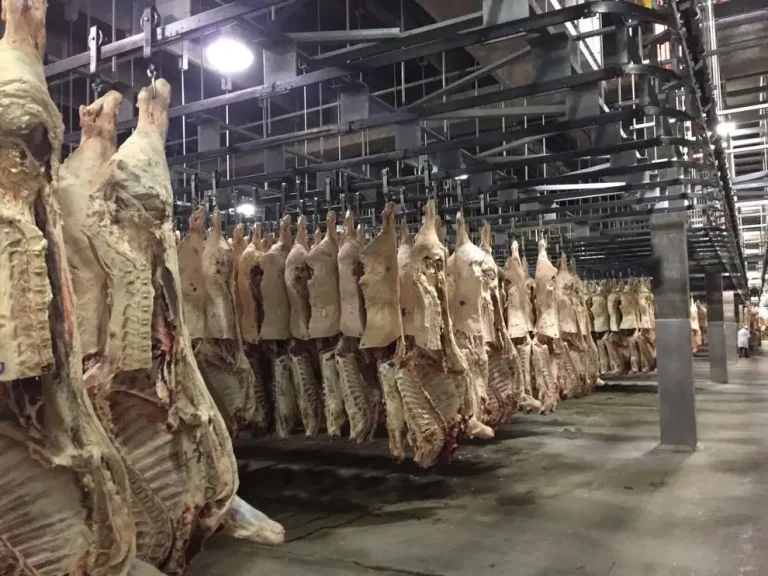
An update on cattle on feed, cattle slaughter and beef production
· By Derrell S. Peel, Oklahoma State University Extension livestock marketing specialist


Read the latest digital edition of WLJ.
October 5, 2026