California’s Department of Water Resources (DWR) released a final report on a project to send water to houses and farms in the central and southern portions of the state via an underground tunnel bypassing the Sacramento-San Joaquin River Delta.
The final environmental impact report (EIR) released on Dec. 8 details a plan for a 45-mile underground tunnel that would pipe water from the Sacramento River to the Bethany Reservoir in Alameda County.
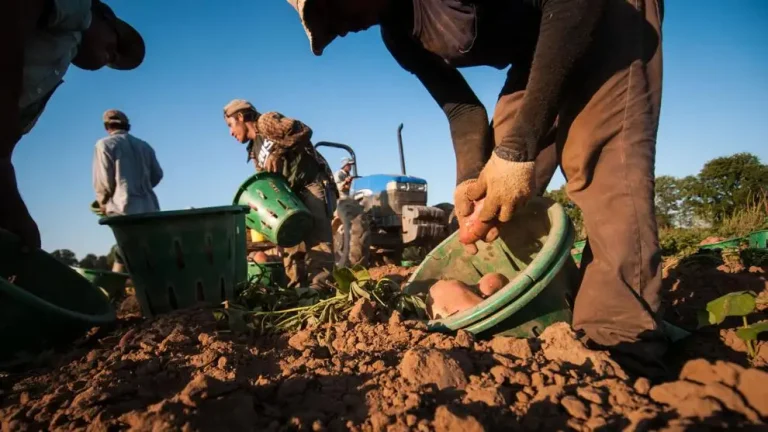
The reservoir is the beginning of the California Aqueduct—a portion of the State Water Project (SWP)—which delivers water to Kern County, the Central Coast and Southern California. According to DWR, the SWP provides drinking water to 27 million Californians and irrigates over 750,000 acres of farmland.
The Sacramento-San Joaquin Delta is formed by the confluence of the Sacramento and San Joaquin rivers and lies just east of where the rivers enter Suisun Bay. The Delta is the core of the state’s water delivery system and, according to the DWR, provides habitat for more than 500 species of fish and wildlife, including threatened and endangered species.
DWR said the project will capture and move more water during the wet season and endure dry seasons such as the past three years. The agency stressed that due to climate change, the state will lose 10% of its water supply by 2040.
If the project had been completed during the past winter when the state experienced an atmospheric river, it would have captured 228,000 acre-feet (an acre-foot is 325,851 gallons) of water, or 40% of SWP’s total volume of water exported per year. DWR said the current water infrastructure is not built to withstand these climate effects.
“Climate change is threatening our access to clean drinking water, diminishing future supplies for millions of Californians—doing nothing is not an option,” Gov. Gavin Newsom (D) said. “After the three driest years on record, we didn’t have the infrastructure to fully take advantage of an exceptionally wet year, which will become more and more critical as our weather whiplashes between extremes. This project is essential to updating our water system for millions of Californians.”
Prior efforts
Several initiatives have been undertaken to tackle issues related to the water supply, climate change, seismic risk and regulatory hurdles in the Delta.
In the 1960s, an Interagency Delta Committee was convened to coordinate water resources
planning for the state’s water projects. The 1963 Interagency Delta Committee report proposed the construction of “overland canals” and other structures to address Delta issues, emphasizing the potential benefits of a peripheral canal for balanced growth. DWR’s 1974 Draft EIR for the Peripheral Canal Project outlined plans for a facility conveying fresh water from the Sacramento River to south delta pumping plants, incorporating up to 12 release facilities for distributing water into delta channels.
In 1995, state and federal agencies collaborated to form the CALFED Bay-Delta Program (CALFED) aiming to devise a comprehensive plan for addressing delta resource challenges. In August 2000, a comprehensive CALFED record of decision was adopted with an alternative for two pipes.
In September 2006, former Gov. Arnold Schwarzenegger (R) signed an executive order to form the Delta Vision Committee, tasked with recommending actions for a sustainable delta region. Among the committee’s proposals was constructing new intake structures equipped with fish screens to direct water to the SWP.
Following concerns about long-term permits amid climate change and habitat restoration, then-Gov. Jerry Brown (D) announced two initiatives: the California WaterFix and California EcoRestore. Unveiled in July 2015, the California WaterFix proposed three fish-screened intakes and two 35-mile tunnels, diverting an average yearly total of 4.7-5.6 million acre-feet, contingent on hydrology.
In April 2019, Newsom signed an executive order directing state agencies to build a climate-resilient water system and ensure healthy waterways into the 21st century.
DWR proposed constructing two diversion tubes, with a single tube for conveyance to divert 3,000 cubic feet per second (448.8 gallons per minute).
According to minutes from the Delta Conveyance Design and Construction Authority Board of Directors meeting in August 2020, the project’s cost is estimated to be $16 billion. The majority of the cost will be due to construction and the remainder in mitigation measures.
Environmental opposition
Barbara Barrigan-Parrilla, executive director of Restore the Delta, said in a statement the latest plan by Newsom is a “zombie” version of previous proposals of the project and rejected by voters. Barrigan-Parrilla said the EIR fails to offer alternatives for a climate-impacted state and the region should invest in resilience projects.
“What is new is the claim that Newsom’s tunnel is a climate project,” Barrigan-Parrilla said. “But that argument is built on incomplete data and faulty analysis. The big pipe engineering solutions of the last century are no longer the way forward in California water’s climate-changed reality. We need more underground storage in agricultural regions and regional stormwater.”
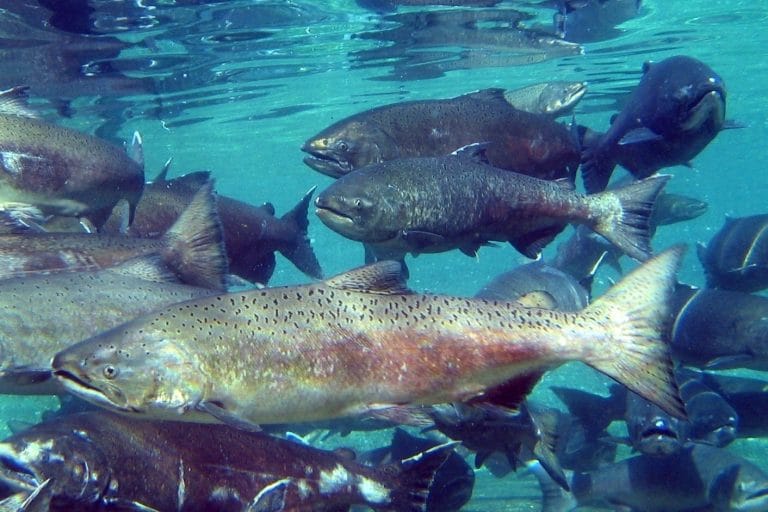
Other environmental groups told the Los Angeles Times the water diversion would endanger native fish such as Chinook salmon, longfin smelt, white sturgeon and delta smelt.
John Buse, senior counsel for the Center for Biological Diversity, said the state’s final EIR “maintains the same skewed analysis by failing to come to terms with the massive harm this tunnel will bring to the delta and its fish.”
Scott Artis, executive director of the Golden State Salmon Association, said the diversion would harm the state’s already fragile salmon industry. Artis continued that Southern California ratepayers will be on the hook for the project.
DWR is releasing the EIR prior to certification per California Environmental Quality Act (CEQA) requirements. Upon completion of the CEQA process, DWR will decide whether to approve the proposed project, an alternative or opt for no project.
According to the Sacramento Bee, should it receive approval, the project is anticipated to span several decades for its completion. The permitting process involves a water rights hearing at the state water board, which could extend over several years, and the construction phase is estimated to take an additional 12-13 years to finish. — Charles Wallace, WLJ contributing editor