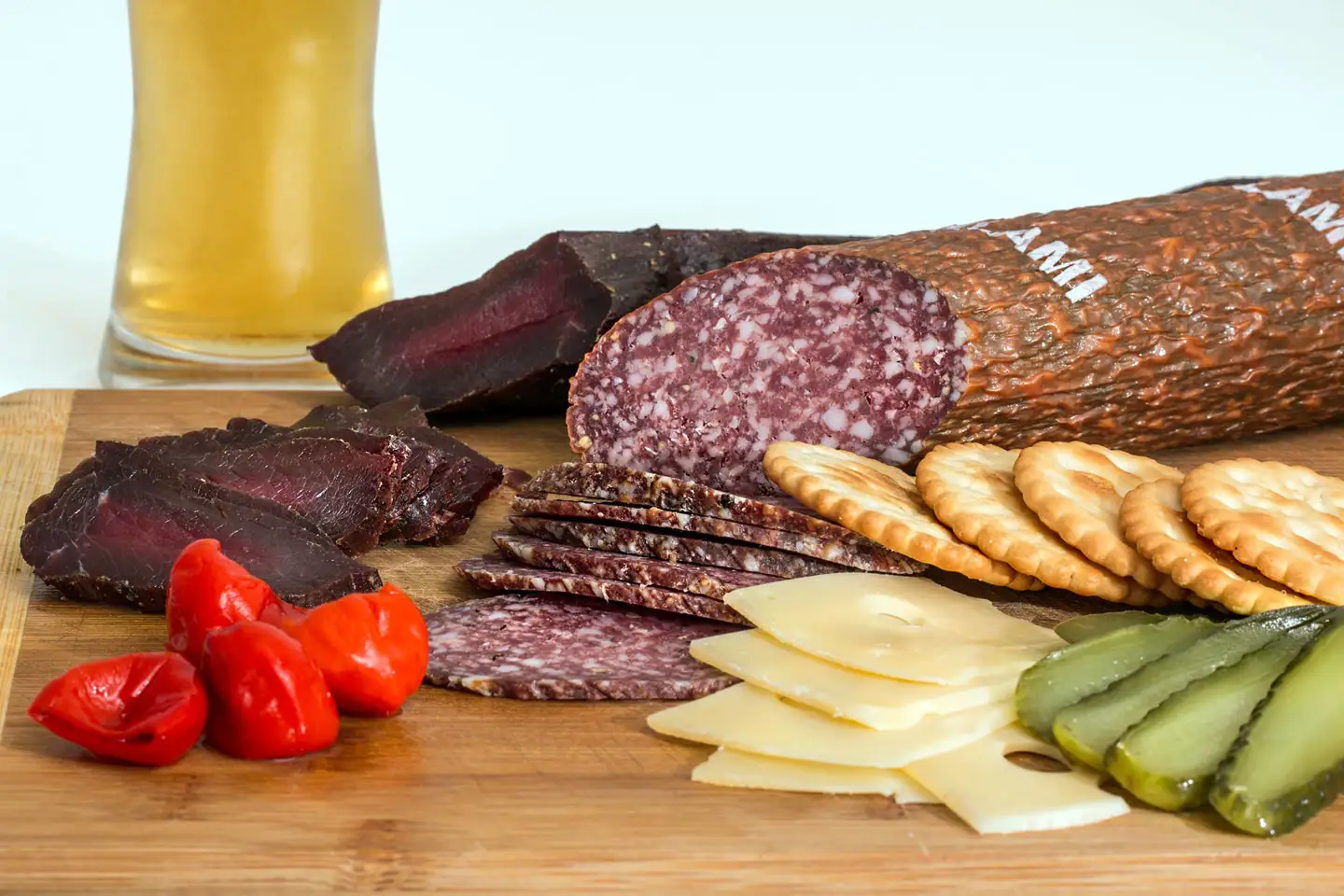
Researchers recently claimed humans need to do a better job of feeding ourselves and that red meat is one of the worst choices we can make when it comes to our dinner plates.
The report, titled, “Food in the Anthropocene: the EAT–Lancet Commission on healthy diets from sustainable food systems,” claims that more than 820 million people around the globe have insufficient food; that many more consume low-quality diets that contribute to obesity and other diet-related diseases; and that our current food system is leading to environmental destruction that cannot be sustained.
But backlash against the report—and the organization behind it—has been impressive. From pointing out nutritional and disease-related misrepresentations, to environmental oversights, to possible conflicts of interest, the reactions have been numerous and passionate.
Amanda Radke put together a helpful list of articles in her Jan. 20 article in Beef Magazine, “EAT-Lancet recommends slashing red meat consumption by 90%.” They are (links will redirect you away from WLJ):
- “Climate, food & facts” from the Animal Ag Alliance
- “Why eating meat is good for you” by Chris Kresser, M.S., L.Ac
- “The EAT-Lancet Commission’s global powerful action against meat” by Frйdйric Leroy and Martin Cohen for European Food Agency News
- “Scientific evidence on red meat and health” by The Nutrition Coalition
- “Walter Willett, potential conflicts of interest” by The Nutrition Coalition
- “20 ways EAT Lancet’s global diet is wrongfully vilifying meat” by Diana Rodgers, NR, LDN, for Sustainable Dish
- “The EAT Lancet diet is nutritionally deficient” by Dr. Zoe Harcombe, Ph.D.
- “EAT-Lancet report’s recommendations are at odds with sustainable food production” by Sustainable Food Trust
Most of the criticism can be divided into three categories: health,; environment; and conflicts of interest.
Health
Criticisms of the EAT-Lancet report related to health include:
• It’s nutrient deficient. Dr. Zoe Harcombe, a Ph.D. in public health nutrition, analyzed the EAT diet based on USDA recommendations and found it to be deficient in retinal, sodium, potassium, calcium, iron, omega 3 fatty acids, and vitamins B12, D, and K. Dr. Diana Rodgers, licensed registered dietitian nutritionist, says red meat is an ideal source for iron and B12, two of the most common nutrient deficiencies worldwide. Vitamin B12 is essential and can only be derived from animals. Rodgers also notes that the report’s recommended protein intake amount, 0.8 grams per kilogram of bodyweight, is “the minimum, not the optimal amount for most people.”
• Red meat is a nutrient-dense food. Several of the responding authors say red meat is nutrient-dense with essential vitamins and minerals that are deficient in many people. Eating nutrient-dense foods means one can consume fewer calories, reducing the potential for obesity.
• The report inaccurately links red meat to disease. In contradiction to the EAT-Lancet report’s findings, studies have shown that diets high in protein (including animal protein) and low in carbohydrates are associated with improvements in cardiovascular risk factors—such as obesity, type 2 diabetes, and HDL cholesterol levels. Rodgers also asserts “The link between bacon/processed meats and colon cancer is … statistically insignificant.”
• The report inaccurately links red meat to mortality. When it comes to mortality rates between vegetarians and non-vegetarians, Rodgers says a recent large study published by Preventive Medicine found “no significant difference” between the two. But the study did conclude that “a vegetarian diet is associated with poorer health (higher incidences of cancer, allergies, and mental health disorders), a higher need for health care, and poorer quality of life.”
• Saturated fat myth-busting. New studies are calling into question the idea that foods high in saturated fat like red meat, eggs, and bacon raise cholesterol levels. In fact, the USDA revised its dietary guidelines in 2015, dropping strict limits on cholesterol. See 2014 Annals of Internal Medicine study, “Association of Dietary, Circulating, and Supplement Fatty Acids With Coronary Risk: A Systematic Review and Meta-analysis,” and another study (Dehghan et al. 2017) produced by Lancet itself, challenging the belief that saturated fats are inherently harmful.)
Environment
Critics also listed numerous studies refuting the EAT-Lancet’s position that red meat is harming the environment.
• Greenhouse gas emissions and sequestration. Animal agriculture is responsible for just 4 percent of U.S. greenhouse gas emissions, recent studies reveal. Additionally, well-managed grazing encourages soil carbon sequestration. The latest study on this subject comes from Michigan State, titled, “Impacts of soil carbon sequestration on life cycle greenhouse gas emissions in Midwestern USA beef finishing systems.”
• Ecosystem health. A multitude of studies link well-managed livestock grazing to biodiversity and overall ecosystem health. Dr. Chris Kresser cites a 2017 study by Teague and Barnes titled, “Grazing management that regenerates ecosystem function and grazingland livelihoods.”
• Efficient use of resources. According to the National Academy of Sciences, 90 percent of what cattle eat is forage and plant leftovers that people can’t eat. Cattle “actually ‘upcycle’ nutrient-poor food into nutrient-dense food,” says Rodgers. This is significant, given that USDA estimates more than 40 percent of the land in the contiguous U.S. to be suitable only as rangeland.
• Improved efficiency. According to a study published in the Journal of Animal Science (Capper 2007), “[m]odern beef production requires considerably fewer resources than the equivalent system in 1977, with 69.9 percent of animals, 81.4 percent of feedstuffs, 87.9 percent of the water, and only 67.0 percent of the land required…” The National Cattlemen’s Beef Association adds that the U.S. produces 18 percent of the world’s beef with just 8 percent of the world’s cattle.
Conflicts of interest?
Several articles and responses to the report focus on the possible conflicts of interest of the non-profit EAT, was founded by Gunhild Stordalen, a wealthy animal rights activist in Norway.
Several of the EAT-Lancet report’s authors have publicly been opposed to meat-eating for several decades, including the report’s cochair, Harvard professor Walter Willett. Willett has reportedly claimed that “about one-third of deaths could be prevented” if we all gave up meat. He also is reported to have business ties to “vegetarian” industry interests.
“Willetts is the principal nutritionist on the EAT-Lancet report,” reads a response from non-profit advocacy group, The Nutrition Coalition. “The other nutritionists have published nothing on the subject, of diet and disease, and nothing that contradicts Willetts’ views. Thus, on the subject of diet and health, the report presents only one viewpoint. This report cannot be considered a balanced paper.” — Theodora Johnson, WLJ correspondent