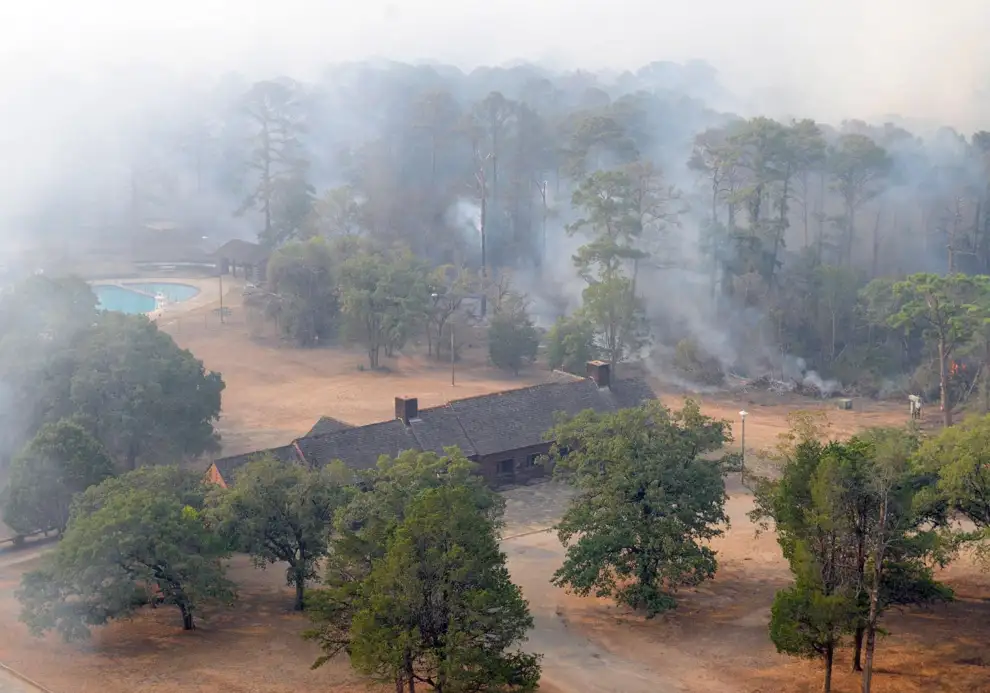
After two years of relatively few wildfires, the western U.S. is now facing increasing devastation from wildfires, making the need for effective prevention strategies more urgent than ever.
Wildfires pose a unique threat to ranches and farms, requiring specialized preparation strategies distinct from those used in urban settings. Given their infrastructure, hay stacks, fuel storage tanks, livestock and often limited water access, it is crucial for farmers and ranchers to implement comprehensive wildfire defense measures.
Proper management and proactive measures can significantly reduce the risk and impact of wildfires on your property by focusing on management zones and the protection of livestock and hay.
Zone management
One of the most effective ways to protect property from wildfires is by creating defensible spaces around homes and other structures. This involves three main zones:
• Immediate zone (0-5 feet)
The immediate zone is the most critical area for wildfire defense. Removing combustible materials from this zone can significantly reduce the risk of ignition. Ranchers should remove leaves, debris and flammable materials from roofs, gutters and areas beneath decks and patios. Regular maintenance, including repairing loose shingles, screening attic vents and replacing damaged window screens, enhances the fire resistance of buildings.
• Intermediate zone (5-30 feet)
The intermediate zone acts as a buffer zone to slow the fire’s progress. In this zone, creating firebreaks using driveways, patios and non-flammable decks can help stop the spread of fire. Vegetation should be managed by mowing or grazing to keep it below 4 inches in height, and trees should be pruned to remove lower branches. Aboveground propane and fuel storage tanks should be placed at recommended distances from buildings and kept free of vegetation.
• Extended zone (30-200 feet)
In the extended zone, efforts should focus on reducing fuel loads and creating firebreaks. Roads, driveways and natural firebreaks such as ponds can help contain fires. Ranchers often graze cattle on fine fuel sources early in the season before they dry out, but this may be a short-term solution. Another option is to remove and clear out fine fuels manually, or a more long-term solution is chemical treatment with long-lasting herbicide, providing more durable breaks in fine fuels to help prevent wildfires from spreading.
Trees should be thinned to maintain a safe distance between canopies, and highly flammable trees like cedars or junipers should be removed from within 200 feet of structures.
In preparation for wildfires, Texas A&M Forest Service recommends ranchers should begin by identifying priority areas, points of contact, and mapping water sources, sensitive areas, fences, gates and other zones within their ranch. This detailed information helps firefighters make tactical decisions that align with the landowners’ priorities. Additionally, it provides a foundation for post-fire recovery services. The “Map My Property” tool allows landowners to create a detailed map of their property, including boundaries, points of interest and labels, which can then be exported to a PDF file. A landowner priority form and the map tool are available at tinyurl.com/tydutp5r.
Livestock protection
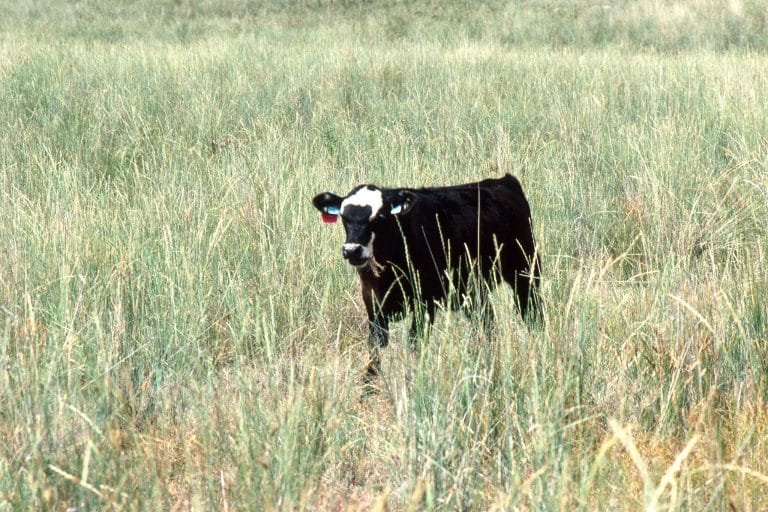
Protecting livestock during wildfires requires careful planning and preparation. Ranchers should create safe areas or firebreaks in pastures to help protect animals. Using salt and mineral placement or winter feeding to encourage livestock to congregate in safe areas along fence lines or pasture corners is a strategic approach. Ranchers should carry fence pliers to cut a rapid escape route if needed and should not attempt to herd animals in front of an oncoming wildfire due to the extreme danger involved.
Having a livestock evacuation plan in place is essential. Ranchers should develop a comprehensive livestock evacuation plan that details how and where animals will be moved in the event of a wildfire. Ensure gates are easy to open and consider carrying fence pliers to cut a rapid escape route if necessary. Plan different routes to leave your property, as wildfire may make your usual routes unsafe. Keep essential supplies, such as water and feed, in accessible locations, and ensure all family members are aware of the evacuation procedures.
Hay storage
Protecting hay from wildfires involves strategic placement and fuel management. Hay should be stored on bare ground and away from buildings, equipment and other items that could be damaged by radiant heat. Creating firebreaks around hay storage areas by mowing, disking or grazing can reduce the risk of fire spreading to hay stacks. Storing hay in multiple locations instead of a single site can minimize the loss if a fire affects one area. It’s important to check with insurance agents for specific policy details regarding hay storage coverage.
Preparation is key to enhancing the resilience of ranches and farms against wildfires. Regular maintenance, proper zone management and comprehensive livestock and hay storage plans can significantly improve the odds of surviving a wildfire. Ranchers and farmers can protect their property and livelihoods from the devastating effects of wildfires by taking proactive steps and staying informed about the latest fire management techniques.